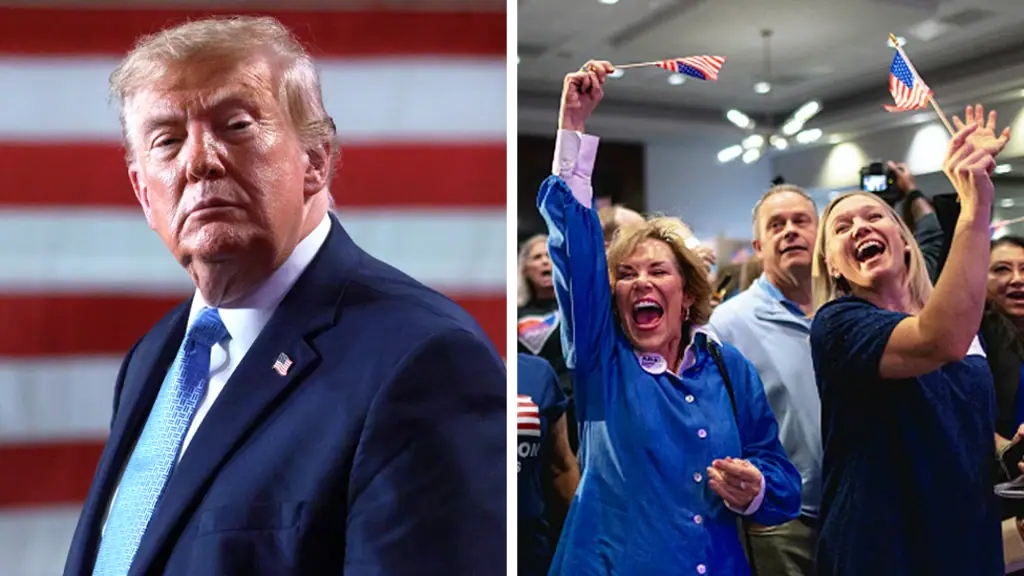
The Democrats have won control of the US Congress in the midterm elections, securing a significant blow to President Trump's Republican Party. The party picked up a string of victories in Republican strongholds, including Texas, South Carolina, and Kansas. This development will likely impact the remainder of Trump's presidency, with Democrats now in a position to influence legislation and investigations. The outcome marks a significant shift in power, with Democrats taking control of both the Senate and the House of Representatives.
The Democrats' victory in the Senate was fueled by wins in key races, with the party surpassing the 50-seat threshold needed to control the chamber. In the House, Democrats secured over 218 seats, exceeding the number needed to take control of the lower chamber. The results were met with mixed reactions, with some Republicans expressing disappointment and anger at the outcome. The party's strategists are now assessing the reasons behind the loss, citing factors such as the Iran war and the rising cost of living.
In the aftermath of the election, Republican leaders are regrouping and reassessing their strategy. Speaker of the House of Representatives Mike Johnson, who won his re-election bid, announced that he will not run for the minority leader position when Democrats take control of Congress in January. Johnson's decision comes amid reports of tension within the Republican Party, with some members criticizing Trump's leadership and policies. The party's strategists are urging Republicans to adjust to the new reality and find ways to excite voters.
The implications of the Democrats' victory are far-reaching, with the party now in a position to launch investigations and potentially impeach President Trump. Republican strategist Mark Bednar warns that Democrats will use their energy to investigate and possibly impeach the president, but also notes that the party will face internal fights. Bednar adds that Republicans need to adjust to the reality that President Trump alone cannot be the driving force for voter turnout.
The US tech industry reacted positively to the election outcome, with giants such as Amazon, Microsoft, and Apple seeing significant gains in their share prices. Investors generally prefer certainty, and a Democrat-controlled Congress is seen as providing stability for the next two years. However, not all tech giants fared well, with Elon Musk's firms Tesla and SpaceX experiencing declines in their share prices. Musk's relationship with Democrats and his vocal criticism of the party may have contributed to the decline.
The Republican Party is grappling with the aftermath of the election, with some members expressing anger and frustration at the outcome. Republican lobbyist Bill Miller described the result as a "disaster of the first magnitude" and blamed Trump for the loss. Other Republicans, such as Gregg Peppin, a strategist in Minnesota, argue that Trump's focus on his legacy and indifference to voter concerns cost the party control of Congress.
The White House responded to the election outcome with a social media post stating, "Trump is still your president." The post was seen as a defiant message from the administration, but also underscores the challenges facing Trump in the wake of the election. With Democrats now in control of Congress, Trump will need to navigate a new landscape in Washington, where his party no longer holds sway. The outcome marks a significant shift in power and sets the stage for a potentially tumultuous period in US politics.
Key points
- Democrats win control of US Congress in midterm elections.
- Republicans struggle to come to terms with election loss.
- US tech industry reacts positively to election outcome.