The Democratic Party has emerged victorious in the US midterm elections, securing control of both the Senate and the House of Representatives. According to the Associated Press, the Democrats have won at least 51 seats in the Senate, surpassing the 50-seat threshold needed for a majority. This marks a significant shift in power, as the Republicans previously held 53 seats. The Democrats have successfully flipped several Republican-held seats in key states, including Iowa, Kansas, North Carolina, South Carolina, and Texas.
In the House of Representatives, the Democrats have already secured 227 seats, with 29 of those coming from Republican-held districts. The Republicans currently hold 142 seats. NBC News projects that the Democrats will ultimately win around 255 seats, well above the 218 needed for a majority. The party has successfully targeted several Republican-held districts in states such as Pennsylvania, Colorado, and North Carolina. This victory marks a major coup for the Democrats, who have been seeking to regain control of the House after eight years of Republican control.
The Democrats' success in the midterm elections marks only the fifth time since World War II that a party has taken control of both houses of Congress during a midterm election. The party's gains are being attributed to a strong turnout among Democratic voters, as well as a series of high-profile Democratic victories in key states. In Texas, for example, Democrat James Talarico won a hotly contested seat, while in North Carolina, Democrat Roy Cooper emerged victorious. In South Carolina, Annie Andrews won a key seat, further solidifying the Democrats' gains.
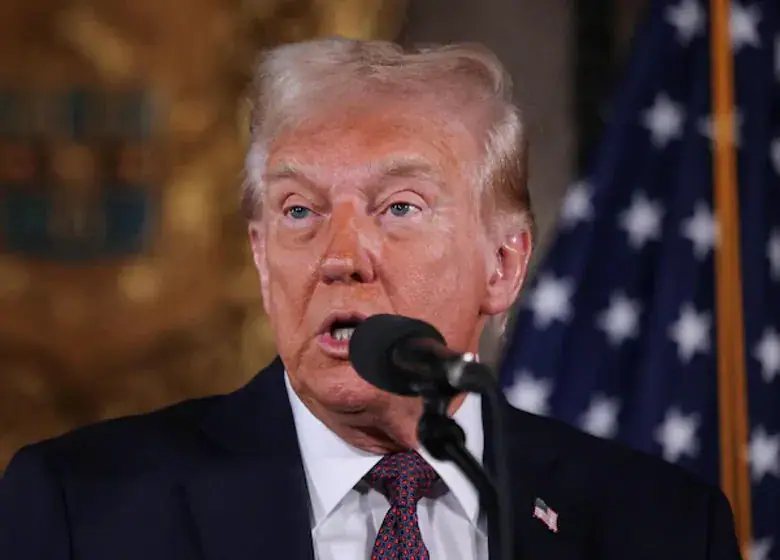
President Donald Trump has publicly congratulated the Democrats on their victory, speaking to Fox News and saying, "Congratulations to the Democrats. They worked hard and they got it done." Trump emphasized that he did not view the Democrats' success as a personal rebuke, saying, "I think we've had the two best years of the presidency in history." The President also pledged to work with the Democrats in the coming years, saying, "We'll work with the Democrats." However, he also warned that he would veto any legislation that he deemed unfavorable.
The Democrats' victory in the Senate was marked by several key wins, including the defeat of Republican Senator Roger Marshall in Kansas. Democrat Adam Hamilton won the seat, marking the first time a Democrat has been elected to the Senate from Kansas since the 1930s. In Iowa, Democrat Josh Turek defeated Republican Representative Ashley Hinson, while in North Carolina, Democrat Annie Andrews won a key seat. These victories have helped to cement the Democrats' control of the Senate.
The implications of the Democrats' victory are significant, as the party is now poised to play a major role in shaping the country's legislative agenda. With control of both houses of Congress, the Democrats will be able to pass legislation and hold the President accountable. The party has already signaled that it will focus on issues such as healthcare, education, and the economy. The Democrats' victory is also likely to have significant implications for the 2020 presidential election.
As the country looks ahead to the next two years, one thing is clear: the Democrats are now in control, and they will play a major role in shaping the country's future. With a unified government, the Democrats will face significant challenges, but they also have a unique opportunity to make a lasting impact. The President's pledge to work with the Democrats will be closely watched, as will the party's ability to deliver on its campaign promises.
Key points
- Democrats win control of US Senate and House of Representatives in midterm elections
- President Donald Trump congratulates Democrats on their victory, pledges to work with them
- Democrats' victory marks significant shift in power, with implications for 2020 presidential election