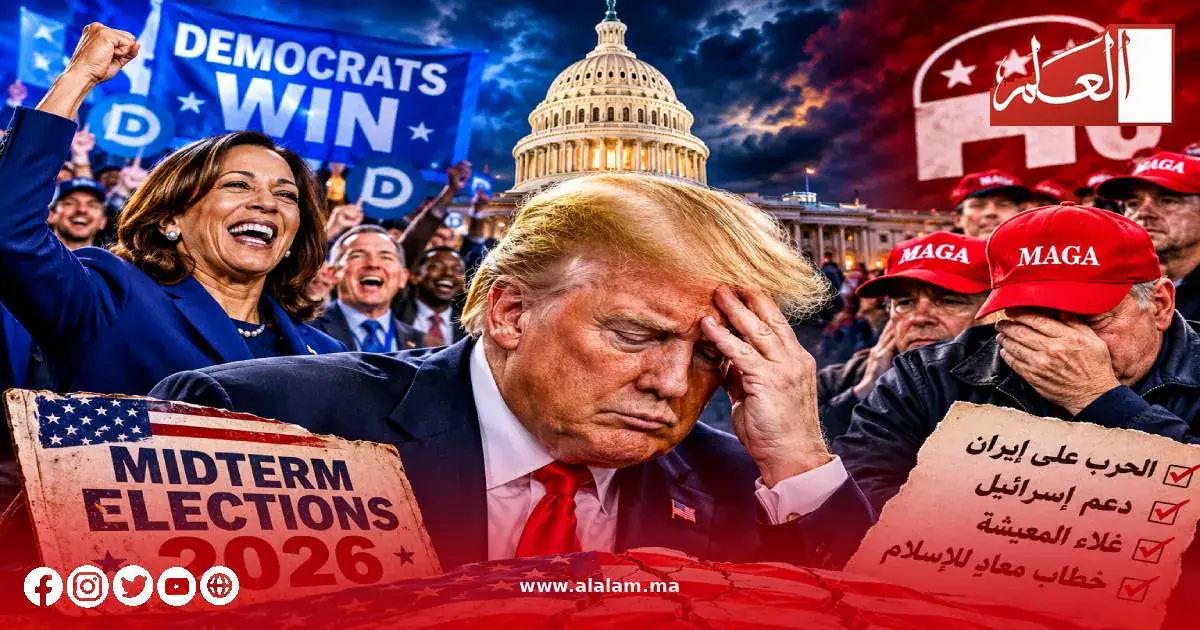
The US midterm elections have resulted in a significant shift in the balance of power in Washington, with Democrats winning control of both the House of Representatives and the Senate. This outcome marks a major blow to President Donald Trump's agenda and is seen as a message of dissatisfaction from voters with his policies, particularly with regards to the US involvement in foreign conflicts and the rising cost of living. The elections were seen as a test of Trump's popularity and his ability to mobilize his base.
The Democrats' victory was fueled by strong support from voters in states and districts that were previously considered Republican strongholds. The party made significant gains in states such as Texas, Kansas, and South Carolina, reflecting a broader discontent with the Trump administration's policies. The outcome has raised questions about the future of Trump's presidency and the ability of his administration to push through its agenda.
One of the key factors that contributed to the Republican losses was the US involvement in conflicts in the Middle East, particularly the war with Iran. Trump's decision to withdraw from the Iran nuclear deal and reimpose sanctions had led to a significant increase in oil prices, which in turn had a negative impact on the US economy. Many voters saw the war as a distraction from domestic issues and a symbol of the Trump administration's priorities.
The US support for Israel, particularly in the wake of the Gaza conflict, was also a contentious issue in the elections. Many voters, particularly those from minority communities, expressed concerns about the US providing military aid to Israel, which they saw as a contributor to the suffering of the Palestinian people. The issue highlighted the complexities of US foreign policy and the challenges of balancing relationships with different countries and interest groups.
Trump's use of anti-Muslim rhetoric and his attempts to mobilize his base by stoking fears about immigration and national security were also seen as factors that contributed to the Republican losses. Many voters saw Trump's tactics as divisive and alienating, and they responded by voting for Democratic candidates. The outcome has raised questions about the long-term viability of Trump's approach to politics.
In the aftermath of the elections, Trump sought to shift the blame for the Republican losses to other parties, including the media and some of his own party's candidates. He claimed that the media had unfairly targeted him and that some Republican candidates had failed to effectively communicate their message. However, many analysts saw Trump's comments as an attempt to deflect responsibility for the outcome.
The midterm elections have significant implications for the future of US politics, particularly with regards to Trump's agenda and the balance of power in Washington. The outcome reflects a deepening divide in the country and a growing dissatisfaction with the Trump administration's policies. As the US prepares for the 2020 presidential election, the midterm elections provide a valuable insight into the mood of the electorate and the challenges that lie ahead.
Key points
- Democrats win control of US Congress in midterm elections
- Outcome seen as blow to President Donald Trump's agenda
- Elections reflect growing dissatisfaction with Trump administration's policies