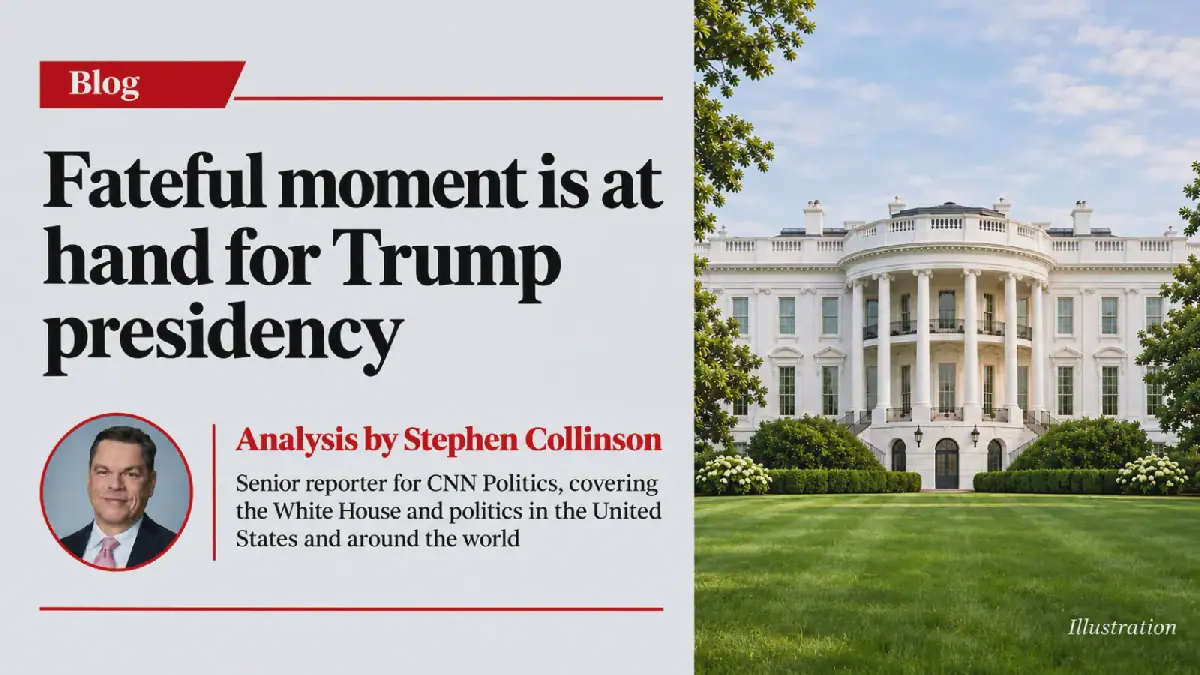
The 2026 US midterm elections are poised to be a pivotal moment in Donald Trump's presidency. Scheduled to take place on November 2, 2026, these elections will not only determine the balance of power in Congress but also serve as a referendum on Trump's leadership and his MAGA movement. According to an analysis by Stephen Collinson, a senior reporter for CNN Politics, the outcome of these elections could either sustain the movement's influence or initiate its decline. A Democratic victory, for instance, could lead to increased congressional scrutiny of Trump's administration.
The midterm elections are particularly significant this time around, given Trump's presidency and legacy. They could result in redemption for Democrats, who suffered a crushing defeat in the last presidential election. The elections will also demarcate the opening chapters of the 2028 presidential race, making them a crucial event for both parties. Furthermore, this election will be the first chance for voters to place some constitutional restraints on a freewheeling president who has the most aggressive view of executive power in modern times.
A Democratic victory in the midterm elections could lead to a seismic tide of investigations into Trump's conduct, his Cabinet, alleged government corruption, and his legacy construction spree. Additionally, Democrats could challenge Trump's conduct of the war with Iran, which he is waging without congressional authorization, and funding for military operations. They may also potentially block Trump's campaign to complete his conservative transformation of the judiciary and fill any new Supreme Court vacancy.
Trump's campaign strategy has been unorthodox, to say the least. He has made the election about his performance amid a deeply unpopular war and boiling public dissatisfaction with his decisions. His final pitch to voters touched on almost everything except the economic issues that voters care about most. He boasted about the new ballroom he’s building at the White House and lashed out with some of the most explicit anti-Muslim and bigoted rhetoric of any US election campaign.
Despite polls showing Democrats heavily favored to recapture the House and threatening multiple Republican senators in states he won by wide margins, Trump shrugged off concerns, instead promising a triumph for the GOP on Tuesday night. House Speaker Mike Johnson, at Trump’s side, vowed, “We are going to win and shock the world on Tuesday night. I believe it.” However, if voters react badly to Trump’s depiction of a new economic “golden age” and evident indifference to their struggles, he will be consigned to a lonely political plight.
A good night for Democrats would count as a political earthquake, especially considering that Trump staged one of history’s greatest comebacks by beating Democratic nominee Kamala Harris to win a non-consecutive second term. Even if the party were to win both chambers, Trump will still enjoy considerable clout, including expansive constitutional authority to conduct foreign policy. However, Democrats gaining the net gain of four seats needed to win the Senate would acquire the ability to block Trump’s campaign to complete his conservative transformation of the judiciary.
The midterm elections are also a chance for politicians to listen to the people whom they often seem to forget they serve. Millions of Americans are desperate for relief from the costs of food, housing, and healthcare and feel rising anxiety about the possible impact of AI on their job security. Ultimately, the outcome of these elections will depend on whether voters trust Trump’s vision for the country or prefer a Democratic alternative.
Key points
- The 2026 US midterm elections could significantly impact Donald Trump's presidency and set the stage for the 2028 presidential race.
- A Democratic victory could lead to increased congressional scrutiny of Trump's administration and potentially block his conservative transformation of the judiciary.
- The elections will serve as a referendum on Trump's leadership and his MAGA movement, with implications for the future of US politics.