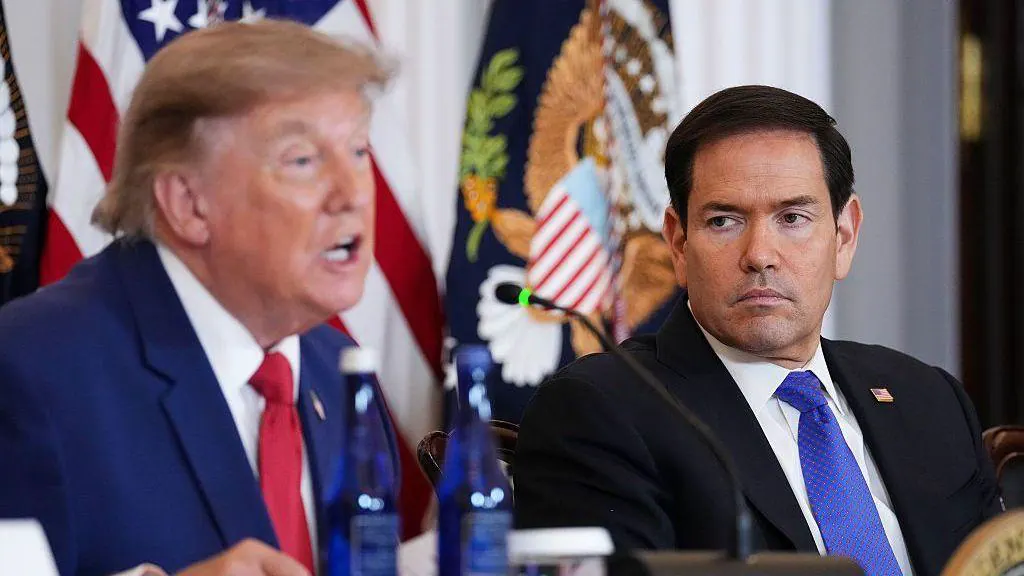
A recent article in The Independent has highlighted potential security misconceptions within the US administration regarding the United Kingdom. The discussion centers around an incident at RAF Fairford, a Royal Air Force base in the UK. The incident involved the release of five suspects arrested near the base, sparking surprise from US President Donald Trump and Secretary of State Marco Rubio. They had considered the incident a potential terrorist threat.
The article, written by Sam Kiley, suggests that US leaders will be among the last to know genuine secrets held by British intelligence due to a lack of trust in the White House. This mistrust stems from concerns that information might be leaked. The Five Eyes intelligence alliance, which includes the US, Canada, Australia, New Zealand, and the UK, typically shares intelligence. However, sensitive information is sometimes excluded to prevent leaks, especially given Trump's history of disclosing classified information.
The incident at RAF Fairford involved the arrest of five suspects near the base, which the US had been informed about due to a potential threat. The UK's intelligence agencies, operating within the UK, would have provided additional information. The article criticizes the Trump administration for its misconceptions about how the world operates, drawing parallels with fictional portrayals.
The US administration's reaction to the release of the suspects was one of surprise, due to a lack of understanding about the independence of the British police and judiciary from the government. The article also touches on the US's approach to Iran, suggesting that keeping Iran as a perceived threat serves US interests.
An article in The Washington Post discusses the need for the West to demonstrate strength against Russia regarding the conflict in Ukraine. The war in Ukraine is entering its fifth winter, and Western countries supporting Kyiv are finding it challenging to contain the violence. The Post argues that any de-escalation with Moscow must be negotiated from a position of strength.
The article suggests that Russia's aggression has led the West to consider negotiations instead of applying counter-pressure. It recommends targeting Russian banks and institutions that deal with them, similar to the US approach against Iranian financial institutions. This pressure aims to make Moscow understand that escalation will worsen its position.
A study on the impact of screen time on children, published in an article by The Guardian, found that excessive screen use may affect children's language skills and peer interaction. The study, one of the largest on the topic, analyzed data from over 2.8 million children across 64 countries.
Key points
- The US leaders' potential delay in knowing British intelligence secrets.
- The West's need to demonstrate strength against Russia.
- Excessive screen time's impact on children's language skills and mental health.