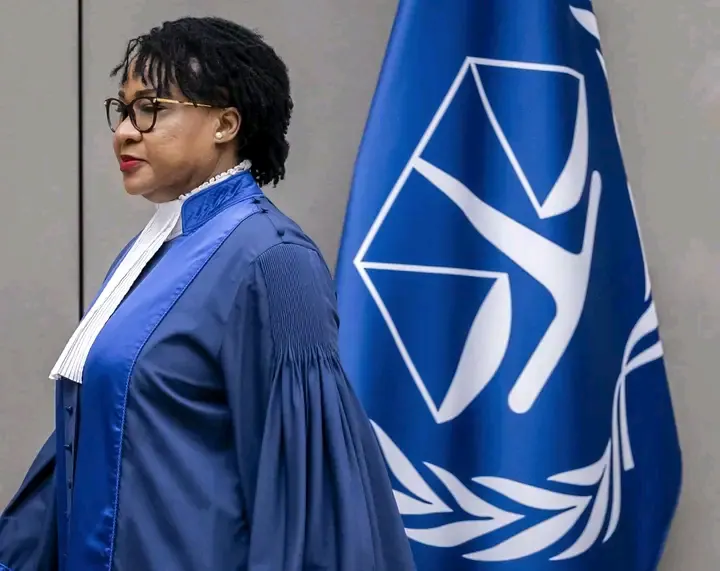
The United States has imposed sanctions on the International Criminal Court (ICC), escalating its confrontation with the international tribunal. The announcement was made on Friday, October 9, 2026, by US Secretary of State Marco Rubio. The new measures target the court as an institution, going beyond previous American sanctions against individual judges, prosecutors, and organisations associated with its investigations. The administration of US President Donald Trump says the sanctions are intended to prevent the court from taking actions against American citizens and officials from allied countries.
The sanctions represent a significant escalation in the dispute between Washington and the Hague-based tribunal, which was established to prosecute individuals accused of genocide, war crimes, crimes against humanity, and the crime of aggression under applicable conditions. The ICC strongly rejected the American decision, describing it as an attempt to obstruct justice and undermine the international legal order. The court called on its 125 member states to help ensure that it can continue operating despite the restrictions.
The United States is not a party to the Rome Statute, the treaty that established the ICC. Washington has long argued that the court should not exercise authority over American citizens without US consent. However, the court maintains that it can exercise jurisdiction over certain alleged crimes committed on the territory of member states, even when the accused person’s country is not a member. This disagreement lies at the heart of the latest confrontation.
The Trump administration argues that the court’s actions threaten American sovereignty and national interests, while supporters of the tribunal say international accountability should not depend solely on the nationality or political influence of the accused. The sanctions could also affect organisations and businesses that provide essential services to the ICC, including financial, technological, and other operational support.
The US Treasury has issued certain general licences allowing specified transactions to continue, including activities involving telecommunications, software, pension payments, and detainees. These exceptions may help preserve some essential functions, although the broader effects of the sanctions remain uncertain. The latest measures have also prompted renewed discussion about the responsibilities of countries that support international justice.
Human rights organisations have warned that financial restrictions could affect not only court officials but also victims, witnesses, and civil society groups that help document alleged atrocities. For communities affected by war, the ICC can provide a route towards accountability when national authorities are unwilling or unable to investigate and prosecute serious international crimes. Any disruption to its work could therefore have consequences beyond the immediate diplomatic dispute between Washington and the tribunal.
The sanctions were announced on the same day that South African jurist and former ICC judge Navi Pillay was awarded the 2026 Nobel Peace Prize for her work promoting peace and international law. The timing added to the international attention surrounding the future of judicial institutions and the enforcement of international legal standards. The European response and the actions of the ICC’s member states could prove important in determining how severely the new restrictions affect the tribunal.
Key points
- The US sanctions target the ICC as an institution, going beyond previous American sanctions against individual judges, prosecutors, and organisations.
- The sanctions could affect organisations and businesses that provide essential services to the ICC, including financial, technological, and other operational support.
- The ICC strongly rejected the American decision, describing it as an attempt to obstruct justice and undermine the international legal order.