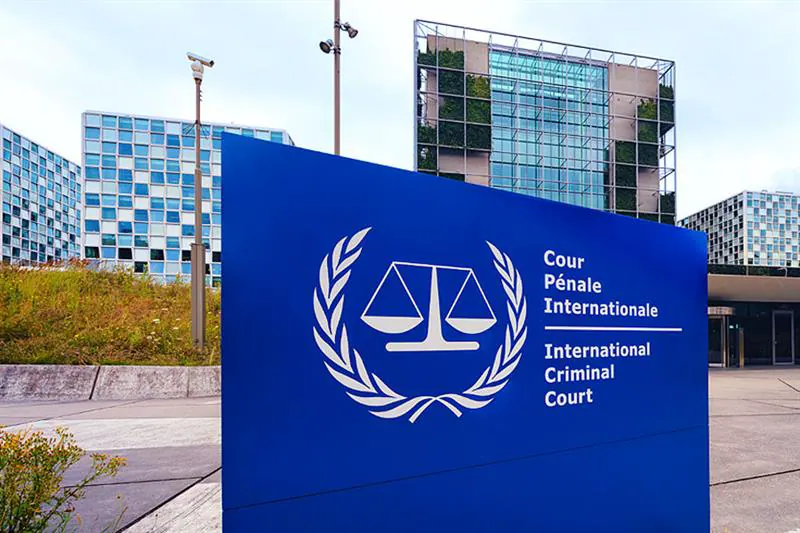
The United States is preparing to impose sweeping sanctions on the International Criminal Court (ICC), potentially cutting off the Hague-based tribunal from US financial and commercial services. The measures, which represent a significant escalation of Washington's campaign against the court, could affect not only the ICC but also organizations outside the US that continue to work with it. The proposed sanctions would go beyond the individual sanctions imposed on ICC officials since February 2025.
The ICC has been under pressure from the US since it issued arrest warrants for Israeli officials, including Prime Minister Benjamin Netanyahu, over alleged war crimes and crimes against humanity in Gaza. The Israeli Occupation Forces have killed at least 74,000 people in Gaza since October 2023 and destroyed approximately 78 per cent of the Strip's infrastructure. US President Donald Trump revived the sanctions regime against the court through an executive order in February 2025.
The proposed sanctions would restrict US businesses and citizens from providing services to the ICC without special authorization, while the court's access to banks and other companies connected to the US financial system could be restricted. Non-US suppliers that fear exposure to American penalties could also be affected. The administration has not yet published the final institution-wide sanctions instrument, so their precise scope could still change.
The US sanctions have been condemned by the ICC as a "flagrant attack" on the court's independence. The court has described the measures as historically unprecedented. Washington says its objection is principally jurisdictional because the US is not a party to the Rome Statute that founded the court and nor is Israel. The administration argues that the ICC has exceeded its authority by investigating the nationals of states that have not joined the court.
The pressure on the court has also extended to its own leadership. On 24 July, the Assembly of States Parties to the ICC voted to remove ICC Prosecutor Karim Khan from office after a disciplinary process concerning allegations of serious misconduct. Khan, who came under attack since issuing the Israeli arrest warrants, has denied the allegations and said he intends to challenge the decision.
The European Union is potentially the court's most important source of institutional support. All 27 EU member states are parties to the Rome Statute, and the bloc has repeatedly said that the ICC's independence and ability to operate must be protected. The EU also has a legal mechanism that could potentially be used to counter the extraterritorial effects of US sanctions.
The ICC has responded by insisting that its work will continue. The court has taken precautions to ensure it is "buffered" against potential sanctions, including moving its office software to a German open-source system and seeking alternatives for banking and health insurance. The court has also paid employees several months of salary in advance to reduce some of the immediate vulnerabilities that sanctions could exploit.
Key points
- US sanctions target ICC's institutional operations and dealings with outside organizations
- Sanctions aim to isolate and dismantle the ICC, according to US Secretary of State Marco Rubio
- European Union supports ICC's independence and ability to operate