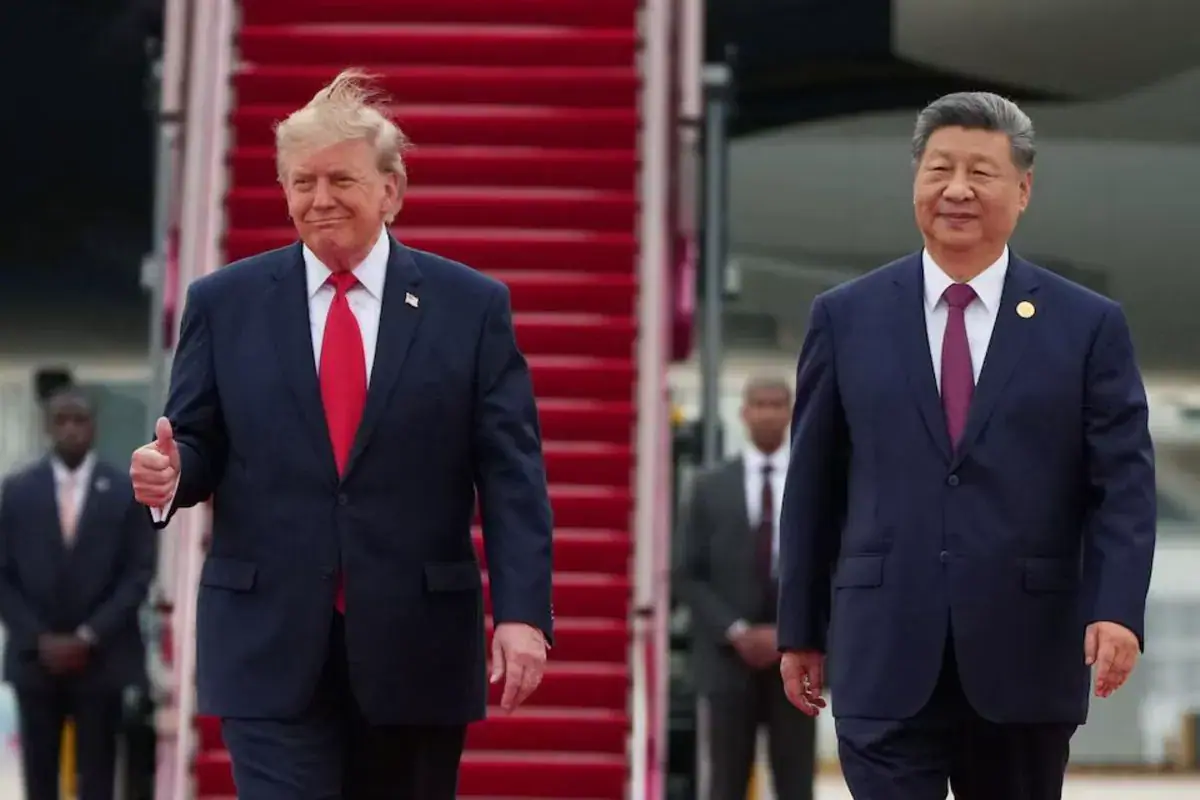
The United States has introduced new tariffs on China, increasing tensions between the two nations. The move is part of Washington's efforts to reorder global trade and pressure Beijing to address unfair trade practices. The new tariffs, which raise existing levies by 20%, keep within the bounds of a trade truce between the US and China. However, the US has left room for further action, raising the stakes ahead of a summit between the two leaders in Miami next month.
The Trump administration's decision to impose new tariffs on China follows an eight-month investigation into unfair trade practices. The investigation examined excess industrial capacity across the world and found that China was a major contributor to the problem. The US is exerting similar pressure on other economies, including the European Union, Japan, and Southeast Asian nations. However, China stands out as a key target, with the US criticizing partners for doing too little to curb imports and investment from the country.
China's foreign ministry has rejected accusations of unfair industrial practices, but stopped short of threatening retaliation. The ministry's response comes amid concerns that a renewed trade war between the US and China could have far-reaching consequences for the global economy. Mark Williams, chief Asia economist at Capital Economics, said that the latest measures provide the US with ammunition in case the trade war resumes.
The new tariffs are part of a broader effort by the US to address China's growing trade surplus. The US Trade Representative's report on Vietnam mentions China more than 250 times, while its findings on the EU mention it more than 300 times. The report highlights concerns about China's unfair trade practices and the need for other countries to take action to address the issue.
The US-China trade relationship has been marked by tensions in recent years, including a trade war that saw tariffs on virtually all trading partners rise. However, subsequent summits have stabilized ties somewhat. China's warm welcome for US President Trump this month, including a hug at the airport, suggests that another major escalation is not imminent.
Despite the tensions, both sides appear to be seeking a deal. Chen Bo, a senior research fellow at the National University of Singapore, said that China does not want to fight another trade war with the US, and the US probably doesn't want to either. Viktor Shvets, a global strategist at Macquarie Capital, said that China's inability to restructure its economy will be a major driver of trade tensions.
The EU is also planning more trade measures against China, following a deal this year to accept quotas on some EU imports of Chinese cars. Bo Zhengyuan, a partner at research consultancy Plenum, said that China cannot maintain an aggressive posture on trade on all fronts at all times and more compromises are on the cards.
Key points
- The US has raised tariffs on China by 20%, increasing tensions between the two nations.
- The move is part of Washington's efforts to reorder global trade and pressure Beijing to address unfair trade practices.
- Both sides appear to be seeking a deal, but tensions remain high amid concerns about China's growing trade surplus.