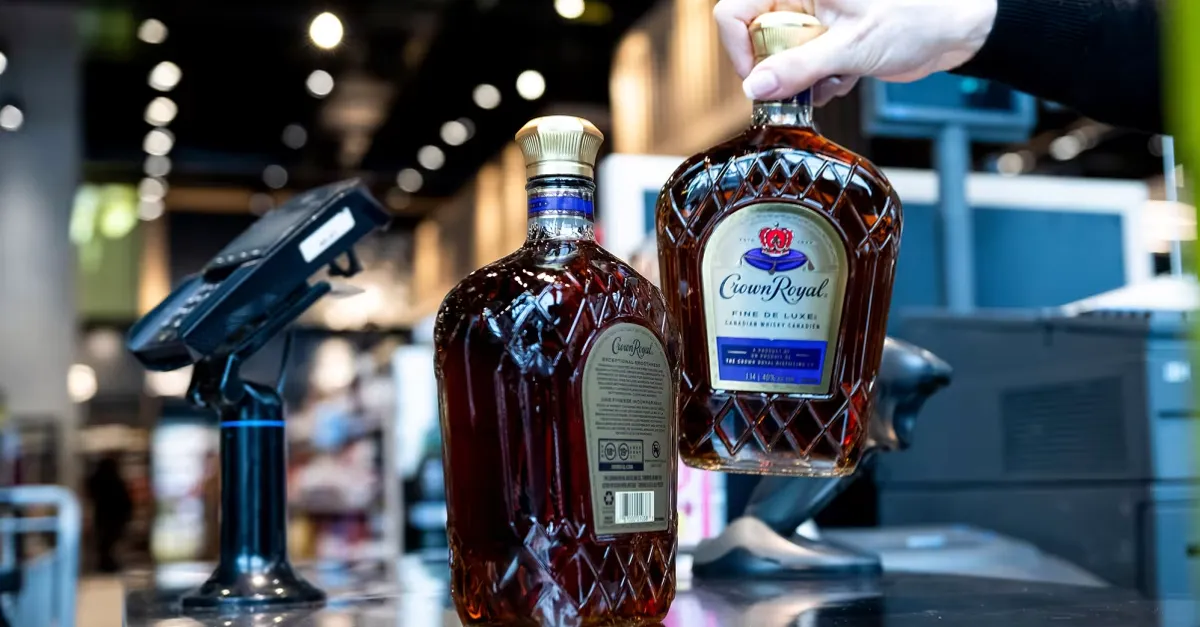
US President Donald Trump's decision to ban imports of Canadian alcoholic beverages has come into effect, marking an unprecedented escalation in trade tensions between the two nations. The ban, which affects Canadian imports valued at around $800 million last year, is the latest development in a series of retaliatory trade measures between the US and Canada. This move follows several Canadian provinces imposing restrictions on the sale of American alcoholic beverages.
Despite the ban, experts do not expect an immediate impact on US consumers due to existing exemptions and alternative arrangements. Some types of Canadian whiskey and alcoholic beverages are exempt from the ban if imported in containers larger than 4 liters, allowing them to avoid tariffs. However, this exemption requires companies to provide large containers and repackage products, potentially increasing operational costs and affecting prices.
The ban has drawn criticism from industry experts, with E Ino Manak, a researcher at the Peterson Institute for International Economics, describing it as an unprecedented departure from traditional US trade policy. Manak believes the move sends a political message to Canada and increases pressure on trade negotiations between the two nations. The ban was imposed in response to Canadian provinces removing some American alcoholic beverages from store shelves in retaliation for US tariffs and threats.
The US spirits industry has expressed concerns about the trade dispute, with Chris Songer, CEO of the Distilled Spirits Council of the US, stating that the sector prefers competition based on "taste and quality, not tariffs." Data from the council shows that US exports of spirits to Canada have declined by around 70% since Canadian provinces began removing American products from their shelves in March 2025.
The Canadian spirits industry relies heavily on the US market, with around 93% of Canadian spirits exports going to the US in 2025. In regions near the US-Canada border, some liquor store owners have expressed concerns about the impact of the ban on their businesses. A store manager in Niagara Falls, New York, noted that his business relies on Canadian customers and sells large quantities of Canadian products.
Trump's decision to impose the ban is based on Section 338 of the 1930 Smoot-Hawley Tariff Act, which grants the US president authority to impose tariffs of up to 50% or ban certain imports in cases of perceived discrimination against US trade. The ban is not limited to alcoholic beverages, also affecting Canadian dairy products and motorcycles, with the total value of affected Canadian goods approaching $1 billion.
The trade dispute between the US and Canada has significant implications for both nations, with the Canadian government facing pressure to respond to the US ban. The situation remains uncertain, with potential for further escalation or resolution through trade negotiations. The impact on consumers and businesses on both sides of the border will depend on the outcome of these developments.
Key points
- The US ban on Canadian alcoholic beverages affects imports valued at around $800 million.
- The ban is part of a larger trade dispute between the US and Canada.
- The Canadian spirits industry relies heavily on the US market, with around 93% of exports going to the US.