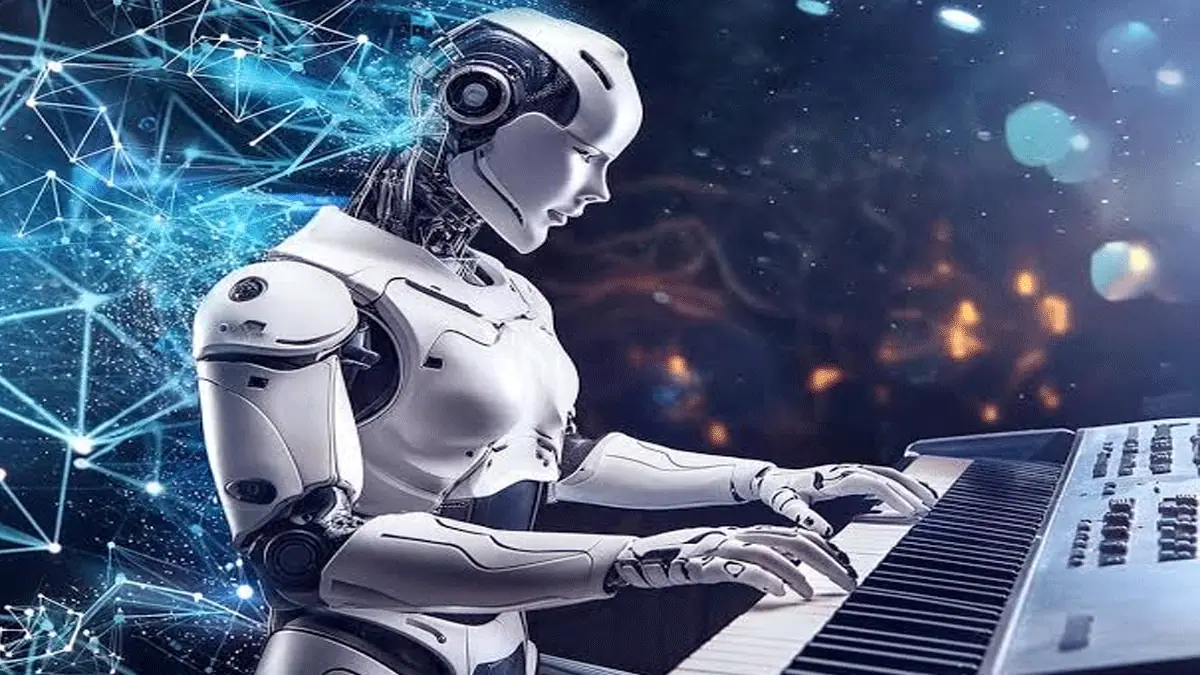
On November 13, 2026, Los Angeles hosted the inaugural AI Music Awards, a ceremony that celebrated music created entirely or partially with artificial intelligence. The event, organized by the Sonic Intelligence Academy (SIQA), featured 25 categories, including best song, best artist, and hybrid productions combining human and AI contributions.
The AI Music Awards have established a system where winners are primarily selected by artists registered in a verification registry administered by SIQA. This development reflects an effort to structure an emerging sector. Notable winners included Xania Monet, a virtual music character created by author-composer Telisha "Nikki" Jones, who received awards in the categories of artist, song, and album of the year.
The emergence of the AI Music Awards signifies more than just a recognition of creative works. It indicates the development of institutions that typically accompany an organized cultural activity. This growth occurs as certain AI-generated productions have already accumulated millions of streams on music platforms. However, this recognition does not resolve economic disputes, particularly regarding copyright and compensation.
A major point of contention involves the use of protected works to train AI models, which is disputed by record labels. Technology companies, on the other hand, argue that certain training practices are legal. The issue of fair compensation remains sensitive, with questions about how to distribute value among authors, performers, producers, and technology providers.
For those involved in generative music, these awards serve as a tool for visibility and professional recognition. However, they do not establish a sustainable economic model or resolve legal disputes. The economic signal is significant: music produced with AI is developing its own institutions before regulations governing its creation and exploitation are finalized.
The AI Music Awards and the growth of generative music have sparked important discussions about the future of the music industry. As this sector continues to evolve, it will be crucial to address the challenges surrounding copyright, compensation, and the role of AI in creative processes. The development of clear regulations and industry standards will likely play a key role in shaping the future of AI-generated music.
Key facts from the AI Music Awards include the ceremony's date, November 13, 2026, in Los Angeles, and the number of categories, which totaled 25. Xania Monet, a virtual music character, won three major awards: artist, song, and album of the year. These details highlight the growing recognition of AI-generated music and the emerging market it represents.
Key points
- The AI Music Awards recognize music created with artificial intelligence.
- The event featured 25 categories and was organized by the Sonic Intelligence Academy (SIQA).
- The awards have sparked discussions about copyright, compensation, and the future of the music industry.