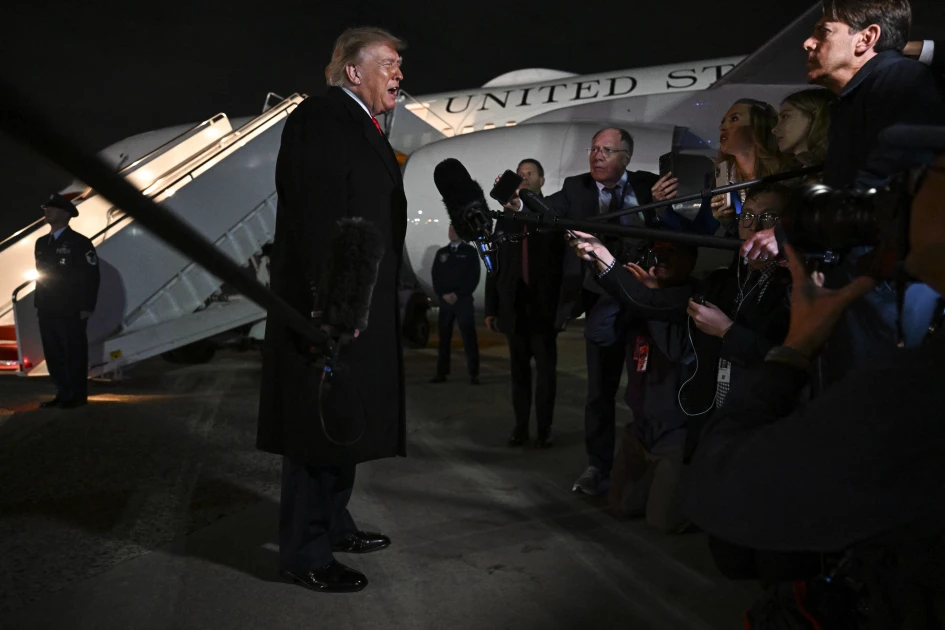
US Homeland Security chief Markwayne Mullin has stated that the planned livestream execution of Nidal Hasan, the perpetrator of a mass killing of US soldiers in 2009, does not pose an additional security risk to the United States. In an interview with CBS News' "Face the Nation," Mullin said that the execution, scheduled for December 3, would not elevate the risk of violence or inspire further attacks. Hasan, a 56-year-old US Army psychiatrist, killed 13 people and wounded over 30 in an Al-Qaeda-inspired attack at Fort Hood, Texas.
The plan to publicly broadcast Hasan's execution by firing squad was first proposed by Defense Secretary Pete Hegseth and the Pentagon, drawing widespread condemnation in the US and internationally. The proposal was met with criticism from human rights groups and some politicians, who argued that it was inhumane and could inspire further violence. However, Mullin said that the decision to livestream the execution was a matter of transparency, and that those who did not want to watch it could simply choose not to.
Mullin's comments come as the US prepares for the first military execution by firing squad since 1945. Hasan's case has been highly publicized due to its nature and the severity of the crimes committed. The US military has confirmed that Hasan will be executed by a firing squad, a method of execution that has not been used in the US since 1945. The decision to use this method has been criticized by some as inhumane.
The possibility of a public execution has also drawn criticism from international leaders. UK Prime Minister Andy Burnham described the prospect of a public execution as "abhorrent," and said that it was something he would not want to see anywhere in the world. Burnham's comments reflect a broader international concern about the use of public executions and their potential impact on human rights.
Despite criticism, US President Donald Trump has left open the possibility of publicly broadcasting the execution. When asked about the proposal, Trump said that he would consider it, but did not make a final decision. The President has been a strong supporter of capital punishment, and has argued that it is an effective deterrent to crime.
Mullin also defended the Trump administration's approach to national security, saying that the President was restoring American values and leading the country in a "very direct, forward, straight hand." He praised Trump's leadership style, saying that it was having a positive impact on the country. The administration has faced criticism for its handling of various national security issues.
The execution of Nidal Hasan is set to take place on December 3, and will be the first military execution by firing squad in over 75 years. The case has raised important questions about the use of capital punishment, the method of execution, and the potential impact on national security. As the execution approaches, debate is likely to continue about the merits and implications of the case.
Key points
- US Homeland Security chief Markwayne Mullin downplays security risk of livestreaming execution of Nidal Hasan.
- Planned execution is first US military firing squad since 1945.
- Proposal to livestream execution draws widespread condemnation.