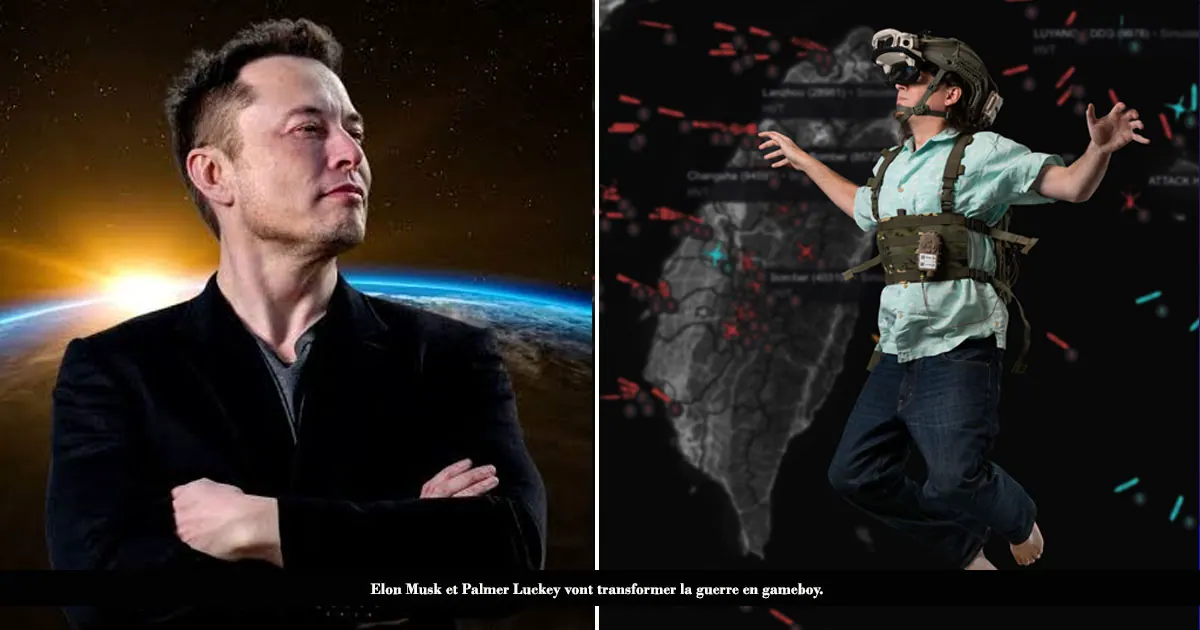
The US Department of Defense has taken a significant step in modernizing its military capabilities by partnering with private sector experts to develop the concept of "superintelligent" warfare. This move, announced by Defense Secretary Pete Hegseth, marks a historic shift in the management of state violence. The initiative, known as Project Meridian, aims to harness the power of advanced algorithms and artificial intelligence to gain a strategic advantage on the battlefield.
Two prominent figures in the tech industry, Elon Musk and Palmer Luckey, have been tasked with leading this effort. Musk, through his company xAI and the global Starlink infrastructure, will focus on identifying and structuring the technologies necessary for future conflicts. Luckey, founder of Anduril Industries, brings operational expertise in developing autonomous military systems, including drones and missiles. Their involvement is rooted in the realities of modern warfare, where advanced technologies have already proven their value.
The partnership between the Pentagon and private sector companies like Anduril Industries and xAI raises concerns about the role of profit-driven interests in shaping military strategy. Critics argue that this blurs the lines between public and private interests, potentially leading to a conflict of interest. The involvement of these companies in developing military technologies has already shown promising results, with Anduril's autonomous systems and data fusion platforms being deployed in various theaters of operation.
The creation of a new autonomous war command, Autowarcom, further underscores the US military's commitment to harnessing advanced technologies. This new command will focus on integrating AI and automation into military operations, potentially changing the nature of warfare. The implications of this shift are far-reaching, with some experts warning that it could lead to a situation where human decision-making is bypassed, and machines are left to make life-or-death decisions.
The use of advanced algorithms and AI in military decision-making has sparked concerns about accountability and the potential for unintended consequences. As the US military becomes increasingly reliant on these technologies, there is a growing need for transparency and oversight. The partnership between the Pentagon and private sector companies has also raised questions about the long-term implications of this approach and whether it will lead to a more effective or more unstable security environment.
The planned developments are part of a broader effort to maintain a strategic advantage in the face of rapidly evolving global threats. The US military is not alone in exploring the potential of AI and automation in warfare, with other nations also investing heavily in these technologies. As the global security landscape continues to shift, the US military's ability to adapt and innovate will be critical in maintaining its position as a global leader.
As the US military moves forward with its plans for "superintelligent" warfare, it will be essential to address the concerns and challenges associated with this approach. This will require a nuanced understanding of the benefits and risks of advanced technologies, as well as a commitment to transparency and accountability. The future of warfare is likely to be shaped by the intersection of technology, policy, and strategy, and the US military's approach will have significant implications for global security.
Key points
- The US Department of Defense has partnered with private sector experts, including Elon Musk and Palmer Luckey, to develop the concept of "superintelligent" warfare.
- The initiative, known as Project Meridian, aims to harness the power of advanced algorithms and artificial intelligence to gain a strategic advantage on the battlefield.
- The partnership has raised concerns about the role of profit-driven interests in shaping military strategy and the potential for unintended consequences.