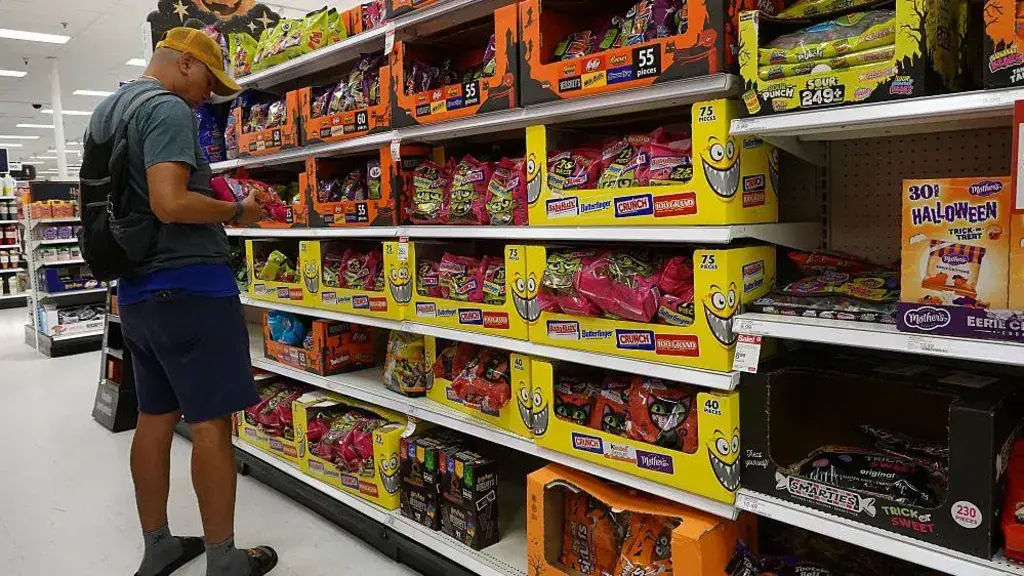
US consumers are facing a significant increase in Halloween candy prices this year, driven by rising cocoa costs and broader inflation. According to a non-profit analysis, popular chocolate and confectionery items have risen 15.3% over the past year. This trend is attributed to the surge in global cocoa costs, with futures hitting a record above $10,700 per tonne in early 2025. Severe weather events have reduced cocoa supply, contributing to the price increase.
The rising cost of cocoa is not the only factor contributing to higher Halloween candy prices. Broader economic factors, including 3.7% general consumer inflation and near-record diesel prices of $6.32 per gallon, are also playing a role. These factors raise transport and supply-chain costs, which are reflected in the final product prices. Manufacturers purchase cocoa months ahead, so the elevated purchase price is reflected in the candy currently on store shelves.
As a result of the higher prices, households are adjusting their budgets. Some shoppers are expanding their typical Halloween spend from $15-$20 to as much as $30 to cover the higher prices at retailers such as Target in Manhattan. However, market research firm NielsenIQ reports that sales volume for Halloween treats fell 11.7% by mid-September and remained 6.7% lower by mid-October. This reflects consumer caution and a reluctance to spend as much on seasonal sweets.
Despite the drop in sales volume, NielsenIQ’s vice president notes that spending modestly rebounded as the holiday approached. However, shoppers favored smaller, value-pack options over larger bulk purchases. This trend suggests that consumers are looking for ways to mitigate the higher costs without sacrificing their Halloween traditions.
Experts suggest that consumers can mitigate tighter budgets by emphasizing creative presentation, homemade treats, and group activities rather than relying solely on store-bought candy. By getting creative, households can still enjoy a festive and fun Halloween without breaking the bank. This approach may also help to reduce the financial burden of higher candy prices.
A finance-firm study indicates a 71% increase in treat prices over the last five years, outpacing general inflation. This long-term trend highlights the growing pressure on household budgets and the need for consumers to adapt to changing market conditions. As the cost of living continues to rise, consumers will need to find ways to manage their expenses and make adjustments to their spending habits.
The impact of higher Halloween candy prices is being felt across the US, with consumers preparing for a more expensive holiday season. As cocoa costs and broader inflation continue to drive up prices, households will need to adjust their budgets and find ways to manage the increased costs. By understanding the factors driving these price increases, consumers can make informed decisions about their spending and find ways to mitigate the financial impact.
Key points
- US Halloween candy prices have risen 15.3% over the past year due to soaring cocoa costs and inflation.
- Sales volume for Halloween treats fell 11.7% by mid-September and remained 6.7% lower by mid-October.
- Experts suggest mitigating tighter budgets by emphasizing creative presentation, homemade treats, and group activities.