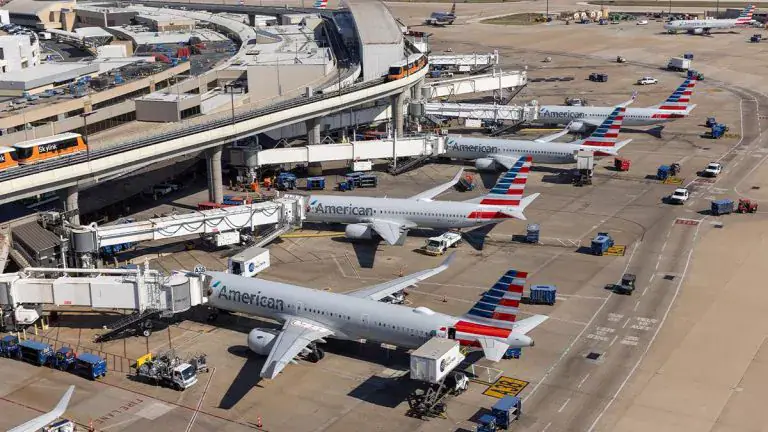
A technical glitch in the US air traffic control system caused widespread disruptions to flight operations across the country on Friday, November 13. The Federal Aviation Administration (FAA) grounded all departing flights for over four hours, affecting over 10,000 flights and resulting in nearly 5,000 cancellations. The issue impacted both domestic and international flights, with around 3,100 aircraft in the air at the time of the grounding.
The glitch affected 22 regional control centers responsible for guiding planes between airports, causing radar and communication systems to fail simultaneously. To avoid further complications, authorities suspended takeoffs but allowed already airborne planes to land safely. US Homeland Security Secretary Marcuynne Mullin assured that there was no risk to passenger safety and that the incident was not caused by a cyberattack.
The FAA's decision to ground flights had a ripple effect on international air travel, with airports in Canada, Mexico, and the UK announcing disruptions and cancellations of flights to the US. The FAA handled international inbound flights on a case-by-case basis until operations resumed at 8:15 pm local time. Despite the resumption of flights, US Transportation Secretary Sean Davis and major airlines warned that it may take time for schedules to return to normal.
The incident has sparked calls for a comprehensive investigation into the vulnerability and outdated infrastructure of the US air traffic control system, particularly with the peak travel season approaching. The FAA's systems have faced criticism in the past for being antiquated and in need of modernization. The agency has been working to upgrade its technology, but progress has been slow.
The flight disruptions on Friday were not the first of their kind; the last nationwide grounding occurred after the 9/11 attacks in 2001. The FAA and airlines are working to restore normal operations, but the incident has raised concerns about the resilience of the US air travel system. Passengers and airlines alike are feeling the effects of the disruptions, with many facing lengthy delays and cancellations.
As the investigation into the cause of the glitch continues, lawmakers are pushing for a thorough probe into the matter. The incident has highlighted the need for modernization and investment in the US air traffic control system to prevent such disruptions in the future. The FAA has assured that it is working to implement measures to prevent similar incidents from occurring.
The US air travel system handles millions of passengers and flights daily, making it a critical component of the country's transportation infrastructure. The recent disruptions serve as a reminder of the importance of maintaining and upgrading this infrastructure to ensure the safety and efficiency of air travel. As the investigation unfolds, it is likely that recommendations will be made to prevent similar incidents in the future.
Key points
- Over 10,000 flights were delayed and nearly 5,000 were cancelled due to the technical glitch.