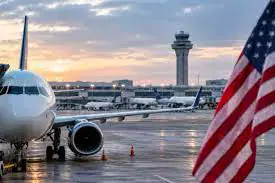
A significant disruption in the US aviation sector on Friday, November 13, 2026, led to the cancellation and delay of thousands of flights. The Federal Aviation Administration (FAA) suspended takeoffs from various airports due to technical issues with air traffic control systems. This caused widespread travel issues, affecting passengers and airlines alike. The disruptions raised concerns about the preparedness of US air traffic infrastructure to handle increasing pressure on communication and surveillance systems.
According to a source at Boston's Logan International Airport, the disruptions had a direct impact on the airport, with hundreds of flights canceled or delayed. The source stated that the incident was not just a minor glitch in travel schedules but a full-blown crisis that directly affected passengers who faced difficulties in managing their flights and professional and family commitments. The disruptions highlighted the vulnerability of air travel to technical issues and the importance of robust infrastructure.
The FAA announced that the technical issues were related to air traffic control communication systems, causing widespread disruptions within US airports. The source at Logan International Airport noted that the scale of the disruptions was evident in the numbers reported by US media on Saturday, November 14, 2026, with over 12,000 flights canceled or delayed on Friday and Saturday. The disruptions had a significant impact on passengers and airlines, with many facing difficulties in rebooking flights.
The FAA lifted the suspension on takeoffs on Friday evening, but the resumption of flights did not necessarily mean an immediate return to normal operations. The large number of delayed and canceled flights resulted in a backlog, requiring airlines to reorganize flight schedules and manage the situations of affected passengers. The disruptions also raised concerns about the resilience of US air traffic infrastructure and its ability to handle increasing demand.
US officials attributed the crisis to outdated equipment and pressure on communication systems, but stated that there was no evidence of a cyberattack. The incident highlighted the need for investment in modernizing air traffic control systems to prevent similar disruptions in the future. The disruptions also underscored the importance of robust contingency planning and communication between airlines, airports, and passengers.
The human impact of the disruptions should not be underestimated, with many passengers facing difficulties in rebooking flights and managing their travel plans. The incident also had significant financial implications for airlines and passengers, with many facing losses due to canceled or delayed flights. The disruptions highlighted the need for airlines and airports to prioritize passenger welfare and provide adequate support during times of crisis.
The incident is particularly significant for Moroccans living in the US, who frequently travel between the two countries. Disruptions to US air travel can affect their travel plans and schedules, potentially leading to changes in flight routes or delays. The incident highlights the importance of robust air travel infrastructure and contingency planning to minimize the impact of disruptions on passengers and airlines.
Key points
- The disruptions caused significant travel issues, with over 12,000 flights canceled or delayed on Friday and Saturday.
- The FAA attributed the crisis to technical issues with air traffic control communication systems.
- The incident highlighted the need for investment in modernizing air traffic control systems to prevent similar disruptions in the future.