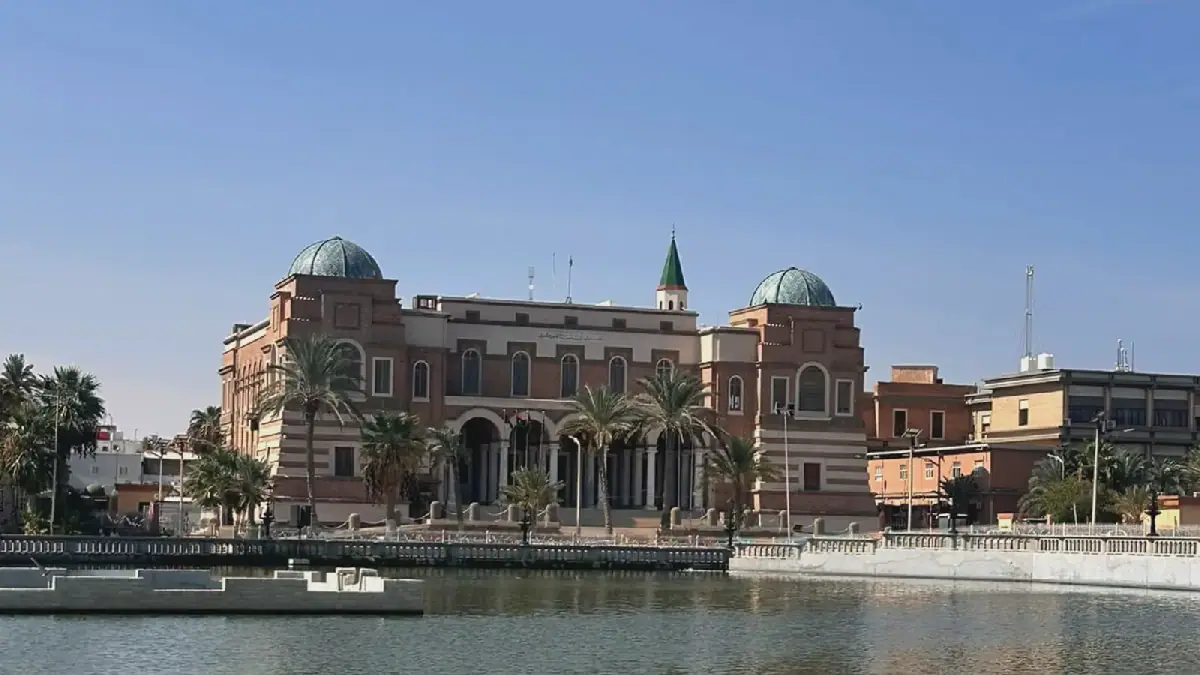
The US Federal Reserve has suspended dollar transactions with Libya's Central Bank, according to a report by the French website Africa Intelligence. The suspension was made after Fozie Abu Khazam took over as the bank's governor on October 22, replacing Naji Issa. The move was driven by concerns over the transparency of the leadership change and the legal basis for the appointment.
Abu Khazam assumed control of the bank and its offices in Tripoli while Issa was attending the annual meetings of the International Monetary Fund and the World Bank in Thailand, which began on October 12. The Fed considered the leadership change to be sudden and coercive. Abu Khazam held his first meeting with the bank's board of directors on October 26 to reorganize its committees.
The Fed suspended transactions and stopped dollar dealings with the bank after waiting for clarification on the legal status of the new governor. Abu Khazam's appointment was legally ratified by the House of Representatives on November 2. Despite the suspension, the bank can still use its foreign exchange reserves, estimated at around $63 billion.
Libya is facing a financial crisis, exacerbated by the decline in the value of the dinar against the dollar and the expansion of the black market. Abu Khazam, a former member of the bank's board of directors, is supported by Khalifa Haftar's camp. He also has the backing of the head of the High Council of State, Mohamed Takkala.
The appointment of Abu Khazam was recognized under the 2015 Skhirat agreement. However, the Prime Minister of the Government of National Unity, Abdul Hamid Al-Dbeiba, only accepted him after the House of Representatives ratified the appointment on November 2. A previous dispute between Al-Dbeiba and Issa concerned government budgets.
Al-Dbeiba was involved in Issa's appointment in 2024, following the ousting of the previous governor, Sadiq Omar Al-Kabir. Al-Kabir left the bank with symbols of "SWIFT" used for banking transfers, causing a crisis at the central bank. Issa had discussed with the IMF's Middle East and Central Asia director, Jihad Azour, the possibility of expanding the role of the US consulting firm K2 Integrity.
The discussions were about auditing financial transactions and investigating suspicious activities related to documentary credit requests. The suspension of dollar transactions by the Fed has significant implications for Libya's economy. The country's financial situation is expected to be closely monitored in the coming days.
Key points
- The US Federal Reserve suspended dollar transactions with Libya's Central Bank due to concerns over the legitimacy of the new governor's appointment.
- The suspension was made after Fozie Abu Khazam took over as governor, replacing Naji Issa, with the Fed citing a lack of transparency in the leadership change.
- Despite the suspension, Libya's Central Bank can still use its foreign exchange reserves, estimated at around $63 billion.
Reporting sources
- الاحتياطي الفيدرالي الأمريكي يعلّق المعاملات الدولارية مع مصرف ليبيا المركزي · Libya Al Ahrar TV