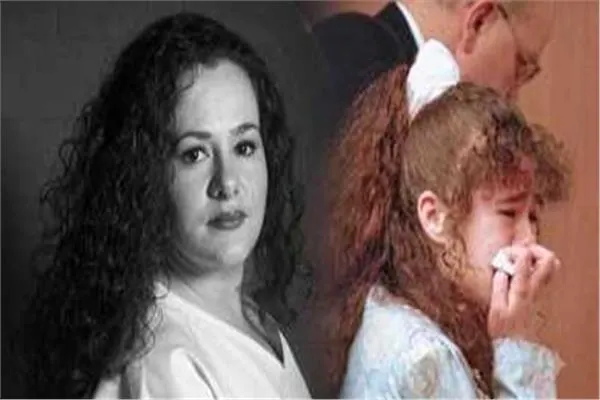
In a rare incident in the United States, authorities in Tennessee failed to execute Krista Pike, 50, after she received two doses of a lethal injection, but remained alive. The execution was scheduled to take place on September 30, 2026, at Riverbend Maximum Security Institution in Nashville. Pike was sentenced to death for killing her colleague, Colleen Slemmer, in 1995.
According to Pike's lawyers, the execution team faced difficulties accessing her veins and inserting the necessary IV line. Despite warnings from Pike about potential problems with her veins, the execution proceeded. The first dose of the lethal injection was administered, but Pike did not die. A second dose was given, but she still showed signs of life, including breathing and a pulse.
Witnesses described hearing sounds of breathing and snoring from Pike during the execution. Her lawyers argued that she did not lose consciousness after receiving the two doses and that she had a pulse and was still breathing. As a result, the authorities halted the execution and transferred Pike to a medical facility outside the prison for treatment.
The Tennessee Department of Correction stated that they followed the state's execution protocol, which includes the use of a lethal injection. However, Pike's lawyers disputed this, claiming that the incident was a "gross failure" of the execution process. They are now exploring legal options to prevent another execution attempt.
Pike was convicted of killing Colleen Slemmer in 1995, when Pike was 18 years old. She was sentenced to death in 1996. Her case drew attention due to the unusual circumstances of the failed execution. Pike's lawyers argue that the incident raises questions about the reliability of lethal injections as a method of execution.
In response to the incident, Tennessee Governor Bill Lee has suspended all scheduled executions in the state for the remainder of 2026. An independent review will be conducted to investigate what went wrong during the execution attempt. The incident has sparked renewed debate about the use of lethal injections in the United States.
The failed execution has raised concerns about the use of pentobarbital, a commonly used lethal injection drug. Questions have been raised about the difficulties in accessing veins and the lack of clear protocols for dealing with situations where the executed person survives. Pike remains in hospital, receiving treatment, and her lawyers continue to monitor her condition.
Key points
- The incident has sparked renewed debate about the use of lethal injections in the United States.
- Tennessee Governor Bill Lee has suspended all scheduled executions in the state for the remainder of 2026.
- The incident has raised concerns about the use of pentobarbital, a commonly used lethal injection drug.