The administration of US President Donald Trump is preparing to impose sweeping sanctions on the International Criminal Court (ICC) in a bid to dismantle the institution. This move comes after the ICC issued an arrest warrant for Israeli Prime Minister Benjamin Netanyahu. The sanctions aim to isolate the ICC from the global financial system. According to documents reviewed by The Wall Street Journal and US officials, the sanctions will prohibit most transactions with the ICC after a six- to seven-month grace period.
The proposed sanctions will effectively cripple the ICC's ability to conduct transactions in US dollars, cutting it off from a significant portion of the global financial system. The plan goes beyond financial sanctions, with US Secretary of State Marco Rubio leading a systematic diplomatic and legal campaign to dismantle the ICC. In an opinion piece published in The Wall Street Journal, Rubio strongly criticized the ICC, arguing that it poses a threat to US national sovereignty by potentially prosecuting Americans or US allies.
The proposed sanctions package includes several key measures. Firstly, it will impose travel bans and revoke visas for current and former ICC judges and staff. Secondly, it will increase financial penalties on organizations and entities affiliated with or cooperating with the ICC. Thirdly, it will exert intense diplomatic pressure on allied countries, particularly those hosting US military presence or receiving US aid, to withdraw from the ICC or refuse to cooperate with it.
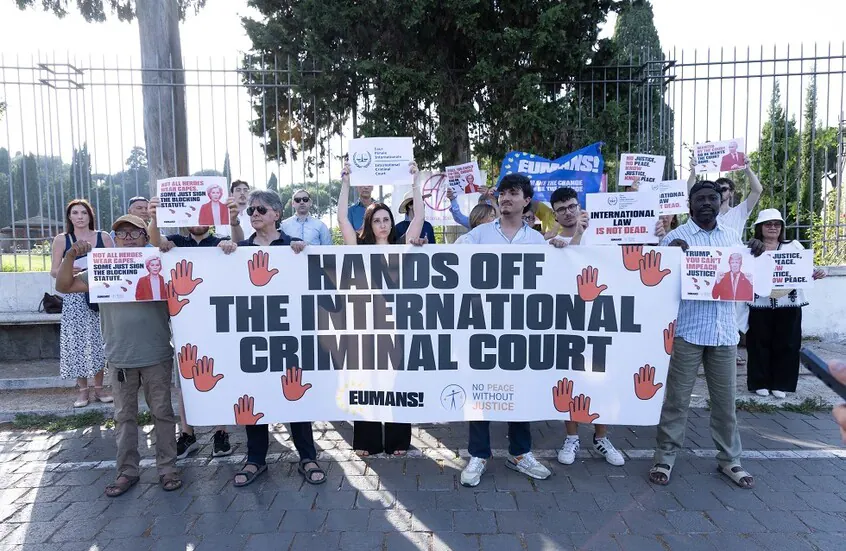
The US campaign has sparked immediate international criticism. The European Union has strongly rejected the threats against the ICC, reaffirming its commitment to international criminal justice. In contrast, some US-based human rights organizations have begun to mount a legal challenge against the sanctions. A lawsuit filed in a New York federal court by organizations such as Democracy Now for the Arab World and the Taxpayers Protection Alliance against Genocide argues that the sanctions violate constitutional protections for freedom of expression.
The lawsuit challenges the legitimacy of the sanctions, arguing that they represent an attempt by the US administration to impose censorship on political opinions and use sanctions as a tool to silence human rights defenders. The plaintiffs seek to block the implementation of the sanctions, which they claim would have a chilling effect on free speech and undermine the ability of human rights organizations to hold the US government accountable.
The ICC has faced criticism from the US in the past, particularly over its investigations into alleged war crimes committed by US personnel in Afghanistan and Palestine. The Trump administration has been increasingly critical of the ICC, viewing it as a threat to US sovereignty and national interests. The proposed sanctions represent a significant escalation of this campaign, with potentially far-reaching implications for the ICC and the global justice landscape.
The international community remains divided on the issue. While some countries, including US allies, have expressed concerns about the ICC's investigations, others have rallied behind the institution. The African Union, for example, has expressed support for the ICC and criticized the US sanctions as an attempt to undermine international justice. As the situation unfolds, it remains to be seen how the ICC and its supporters will respond to the US campaign.
Key points
- The US plans to impose comprehensive sanctions on the International Criminal Court.
- The sanctions aim to isolate the ICC from the global financial system.
- The move has sparked international criticism, with the European Union reaffirming its commitment to international criminal justice.