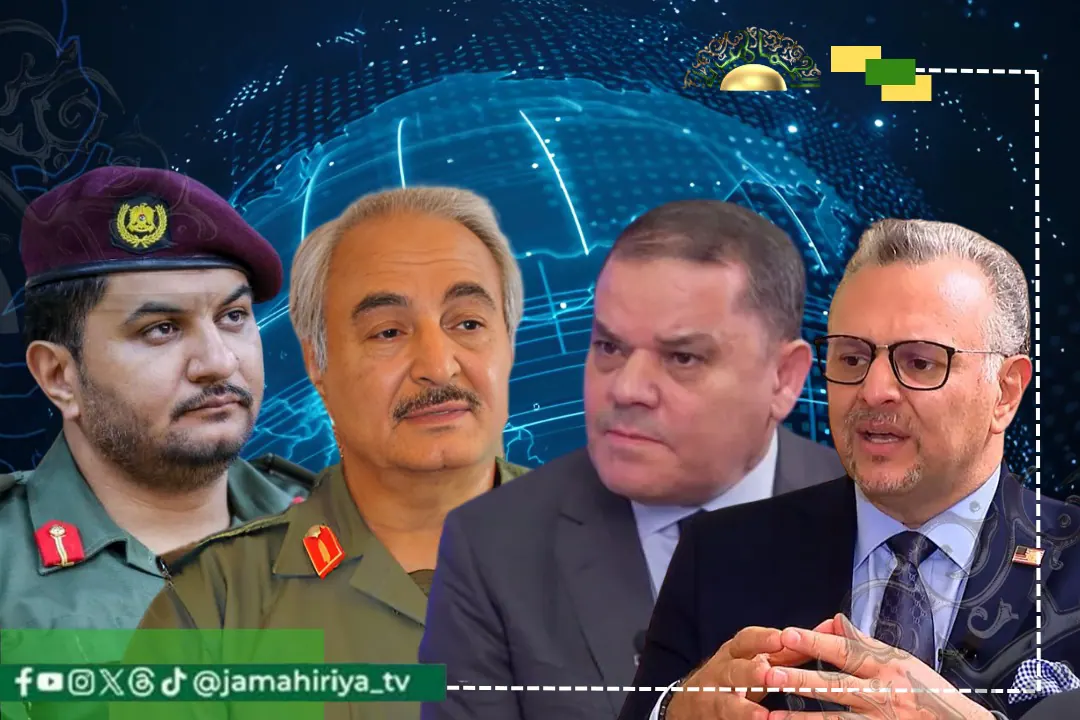
US envoy Masoud Boulis is stepping up his efforts to bring together Libya's rival political and military factions in the east and west. His goal is to end the country's division and unify its institutions. Boulis has been holding meetings with prominent Libyan figures, including Prime Minister Abdul Hamid al-Dbeibah and military commander Khalifa Haftar. His initiative, he says, is a Libyan-led effort that complements existing UN efforts.
Boulis's plan aims to establish a transitional period of two to three years to end the political divide and unify state institutions. However, details of the proposal have sparked debate, with some speculating that Dbeibah might continue as prime minister while Sadam Haftar, Khalifa's son, could take over as head of the presidential council. While Boulis has neither confirmed nor denied these reports, his initiative has garnered a mixed response from various Libyan factions.
The plan has received a cautious welcome from some quarters, with Haftar's forces describing it as a "realistic initiative" in June. Around the same time, Libyan institutions proposed a roadmap for elections by February 17, 2027. The US sees stability in Libya as crucial for economic growth, particularly in the oil sector. Boulis has mentioned that Libya's oil production could reach 3 million barrels per day by the end of the decade.
The US has been taking steps to strengthen its engagement with Libyan parties, including hosting military exercises in Sirte under the Flintlock 2026 program. These drills brought together military units from eastern and western Libya. Opinions among analysts are divided regarding Boulis's initiative. Some believe that engaging with the country's dominant forces could pave the way for a settlement, while others express concerns about the plan's feasibility.
Critics argue that certain Libyan factions in the west may be hesitant to support the initiative due to reservations about proposed figures. As a result, questions remain about the potential for any agreement between Libya's political and military elites to achieve lasting stability and institutional unity. There is also uncertainty about how this might impact the country's long-delayed elections.
The electoral process has stalled due to ongoing political and security disputes, which prevented the holding of elections in 2021. Boulis's efforts aim to overcome these obstacles, but it remains to be seen whether his plan can gain traction among Libyan stakeholders. The international community is watching closely, as a stable Libya is seen as essential for regional security and economic growth.
As Boulis continues to engage with Libyan factions, the focus will be on whether his initiative can overcome existing divisions and lead to a unified government. With Libya's future hanging in the balance, the envoy's next steps will be crucial in determining the country's path forward. The success of his plan will depend on securing support from key stakeholders and addressing the concerns of various Libyan factions.
Key points
- US envoy Masoud Boulis is working to unify Libya's institutions through a transitional period of two to three years.
- Boulis's initiative has received a mixed response from Libyan factions, with some expressing reservations about proposed figures.
- The plan's impact on Libya's delayed elections remains uncertain, with some speculating that it could lead to a postponement.