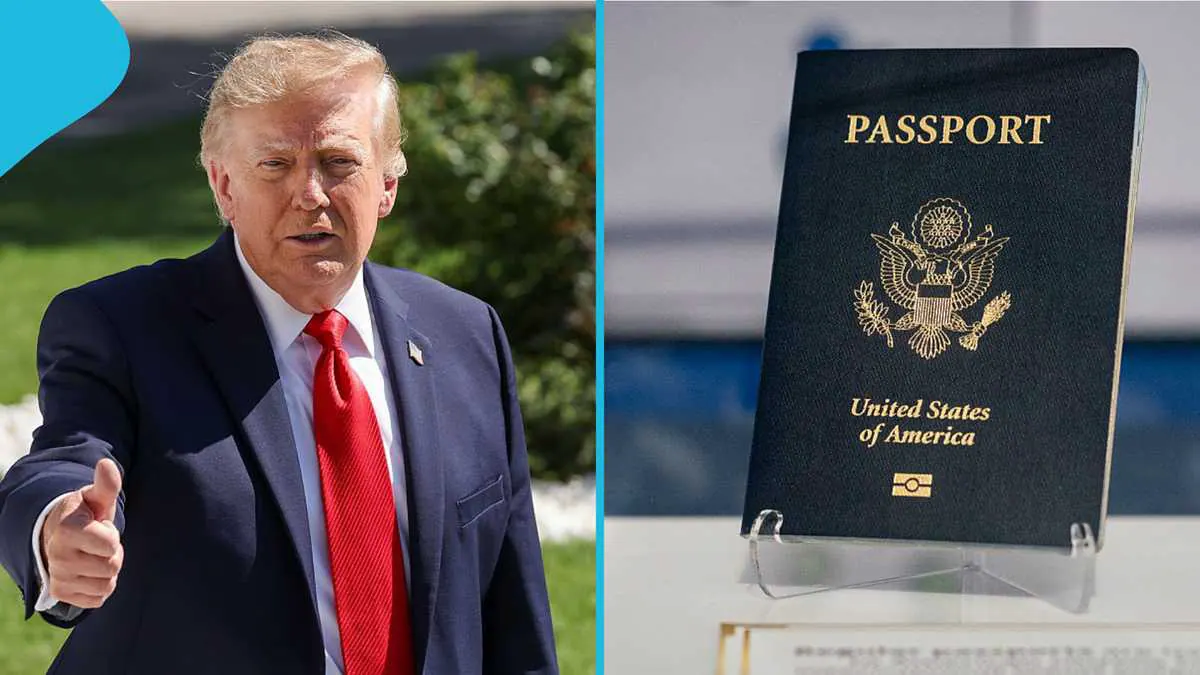
The US Customs and Border Protection (CBP) has announced that it will no longer routinely stamp passports during primary screening for travellers entering the country. This change, outlined in a CBP bulletin published on October 1, 2026, is part of a wider push to modernise border management using biometric and digital technology. The new policy aims to bring border management systems in line with modern practices, which increasingly depend on automated processing, mobile services, and facial biometric technology.
According to CBP, removing the stamp from standard processing will cut time spent at primary control and lower operational costs. However, the stamp does not disappear entirely under the new arrangement. CBP confirmed that officers may still apply one during secondary screening, which takes place when a traveller is referred for further examination after the initial check. Stamps may also continue to appear in certain circumstances at the primary stage, particularly when processing immigration visas.
Travellers who want a physical record of their entry retain the right to request one. CBP confirmed that any such request made directly to an officer at the border will be honoured, even though stamping is no longer part of the standard procedure. The October 2026 bulletin did not specify a firm date for when the change will be fully implemented, stating only that routine stamping will end as part of the agency's ongoing modernisation drive.
The official record of entry for foreign nationals remains the electronic Form I-94, CBP's arrival and departure document, which is updated automatically at the point of admission. After entering the country, travellers can retrieve their proof of admission, immigration status, and authorised length of stay through the official I-94 portal or via the CBP One mobile application, which is available free of charge.
The record can be viewed and printed as needed when legal proof of entry is required, such as for dealings with a government body, educational institution, or employer. CBP also advised travellers to contact the agency if they identify any errors in their I-94 record so that corrections can be applied without delay.
This change is part of a larger effort to modernise and streamline border management processes. Earlier, the US named seven distinct categories of nonimmigrant visa applicants who are not required to pay the standard visa application processing fee. The US Department of State said exemptions apply to a defined set of applicants and do not extend automatically across all visa types.
The move to end routine passport stamps is expected to have a significant impact on travellers and the way they document their entry into the US. As the new system is implemented, travellers should be aware of the changes and plan accordingly, using the electronic Form I-94 and CBP One mobile application to access their records of entry.
Key points
- The US Customs and Border Protection will no longer routinely stamp passports during primary screening for travellers entering the country.
- The electronic Form I-94 will serve as the official record of entry for foreign nationals.
- Travellers can still request a physical passport stamp from a CBP officer at the border.