In early September, US officials in Jerusalem and Washington prepared a draft statement attributed to Secretary of State Marco Rubio, condemning plans by the UK, France and Canada to block imports from Israeli settlements in the occupied West Bank. The September 8 dated document proposed that Rubio describe the countries' actions as a series of hostile measures against Israel that contribute to antisemitism.
The draft document, reviewed by Reuters, said the countries' tactics "unacceptably draw from the playbook of the antisemitic boycotts, divestments and sanctions movement." However, the statement was never released. According to three people familiar with the matter, the statement was not supported by the White House and the State Department's senior leadership.
Instead, Rubio refrained from outright criticism of the decision or any particular country. Speaking to reporters on September 8 in Florida before traveling to Latin America, Rubio said, "Obviously, we're not going to do what the UK did. We saw their announcement today, but I don't have any comment on it right now."
The episode illustrates a widening divide between the White House and Trump's senior diplomats in Israel about how best to respond to the expansion of Israeli settlements under Prime Minister Benjamin Netanyahu's right-wing government. It also highlights a growing ideological split within the American right over support for Israel.
US public support for Israel has fallen since the Gaza war began, particularly among Democrats. A June Quinnipiac University poll found 48% of voters and 66% of Democrats believe the United States is too supportive of Israel, up from 16% and 20% when the question was first asked in 2017.
The US embassy referred questions, including requests for comment from US Ambassador to Israel Mike Huckabee and his aide David Milstein, to the State Department. Huckabee has publicly condemned violence by Jewish settlers against Palestinians in the territory and called for perpetrators to be prosecuted.
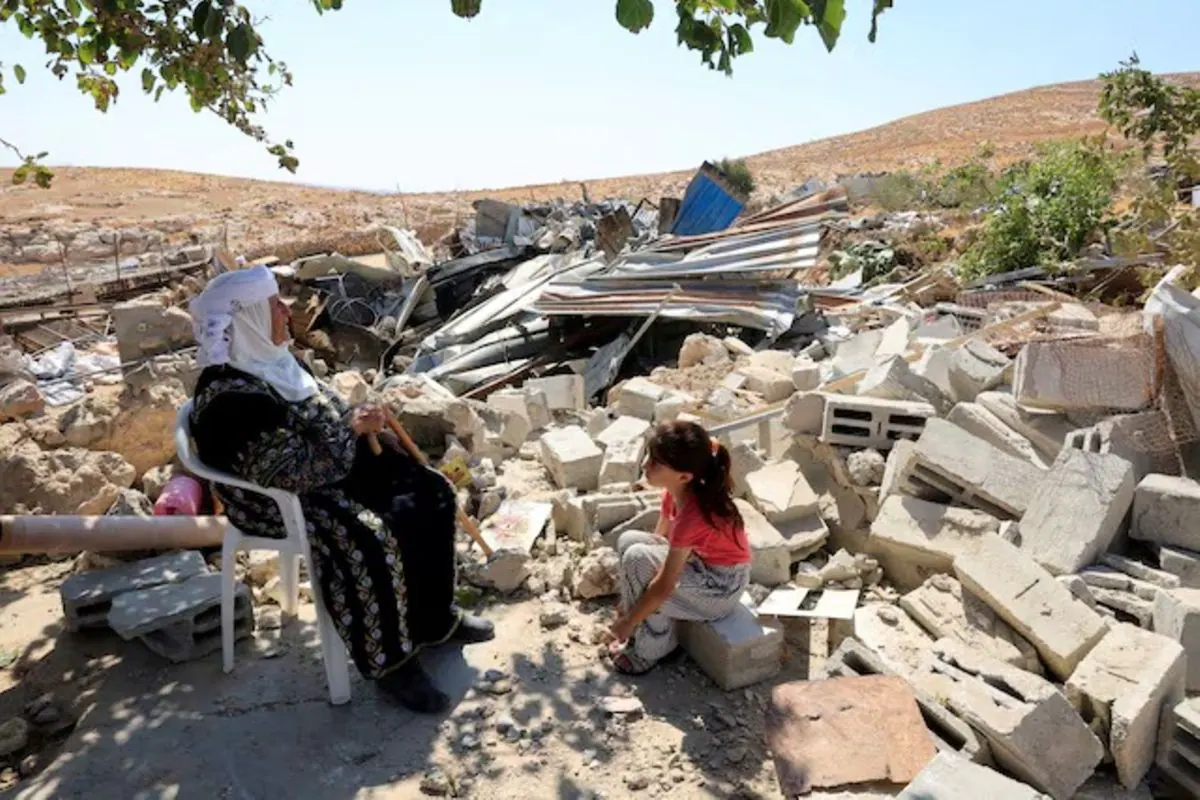
The Israeli-Palestinian conflict remains unresolved, with 500,000 Israeli settlers and 3 million Palestinians living in the West Bank, territory Palestinians have long sought for a future state, along with Gaza and East Jerusalem. The United Nations and most countries consider settlements to be illegal under international law governing military occupation.
Key points
- US officials drafted a statement condemning UK, France and Canada's plans to block imports from Israeli settlements.
- The statement was not supported by the White House and the State Department's senior leadership.
- US public support for Israel has fallen since the Gaza war began, particularly among Democrats.