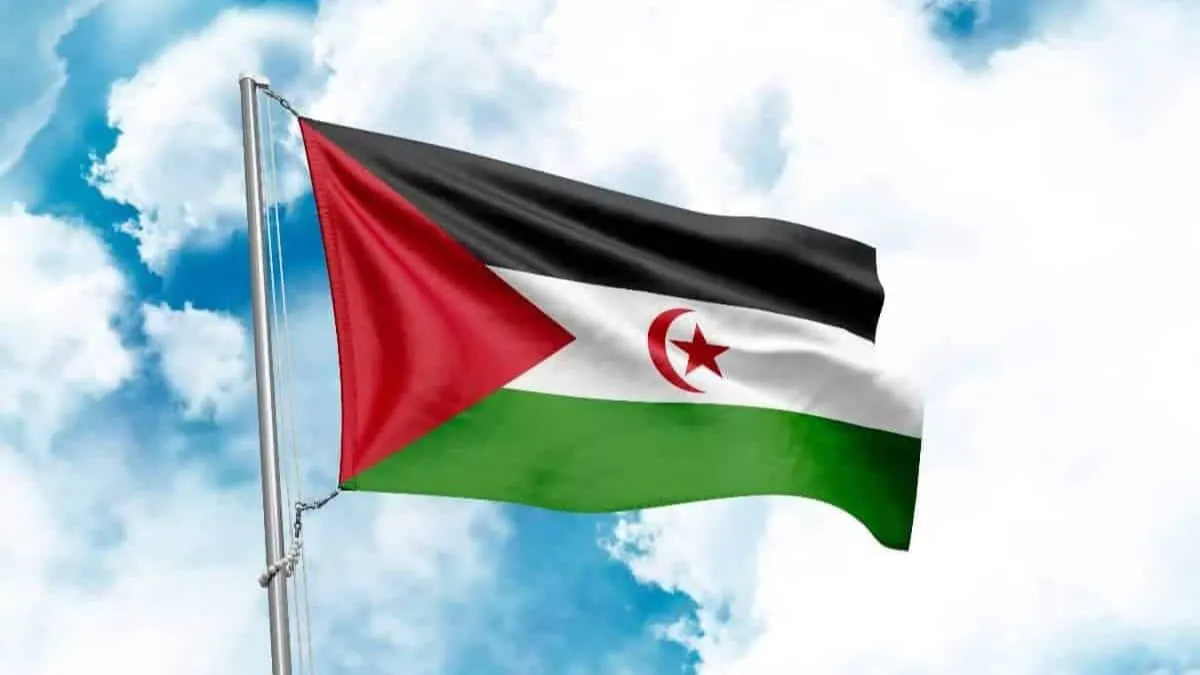
The Western Sahara conflict has entered a delicate phase following the adoption of UN Security Council Resolution 2797 (2025) and three rounds of discussions. The United States' efforts to accelerate a political settlement are being hindered by deep-seated differences between Morocco and the Polisario Front. Tensions on the ground are further complicating the search for a compromise. The US approach, which prioritizes a swift solution based on Morocco's autonomy initiative, faces significant challenges.
A major difficulty with the US approach is that accelerating the process does not guarantee acceptance or long-term viability of a solution. The US push for a rapid resolution risks being perceived as imposed or predetermined, which would be unacceptable to the Sahrawi people. Moreover, attempts to pressure or sideline the Polisario Front pose significant risks, as any agreement excluding a directly involved party would not ensure durable stability.
The Polisario Front, recognized by the UN as the representative of the Western Sahara people, plays a crucial role in the conflict resolution process. Marginalizing the Front would undermine the political conditions necessary for a lasting peace. A genuine compromise requires effective negotiations between parties, without predetermined outcomes or coercion. The negotiation process must be conducted in good faith and without prior conditions.
A serious diplomatic relaunch requires a credible multilateral framework, where US initiatives complement UN efforts without replacing them. The upcoming UN Security Council resolution on Western Sahara, expected on October 31, 2026, holds particular importance. If the US-drafted resolution were to establish Morocco's autonomy initiative as the sole basis for the political process, it would mark a concerning turning point.
Distinguishing between considering Morocco's initiative as a basis for negotiation and making it the only viable option is crucial. Imposing a predetermined outcome would risk emptying the political process of its substance and compromising the conditions for a compromise. Such an approach could trigger the collapse of the diplomatic momentum initiated in early 2026.
The genuine challenge is to transform diplomatic acceleration into a durable settlement process. This requires acknowledging that a solution cannot be imposed without considering the legitimate aspirations of the Sahrawi people. The alternative would be a lasting impasse, punctuated by incidents likely to revive hostilities between the parties. The future of the MINURSO mission, which monitors the situation and prevents tensions, represents a central issue.
The potential reduction of MINURSO's capabilities or its presence must be evaluated in light of the risks of a security vacuum, loss of transparency, and increased incidents. Weakening international surveillance mechanisms could further complicate managing tensions on the ground. The international community must navigate these complexities to achieve a durable resolution to the Western Sahara conflict.
Key points
- The US push for a swift resolution to the Western Sahara conflict faces significant hurdles, including deep-seated differences between Morocco and the Polisario Front.
- The upcoming UN Security Council resolution on Western Sahara, expected on October 31, 2026, holds particular importance in determining the conflict's future trajectory.
- A durable settlement requires considering the legitimate aspirations of the Sahrawi people and a credible multilateral framework.