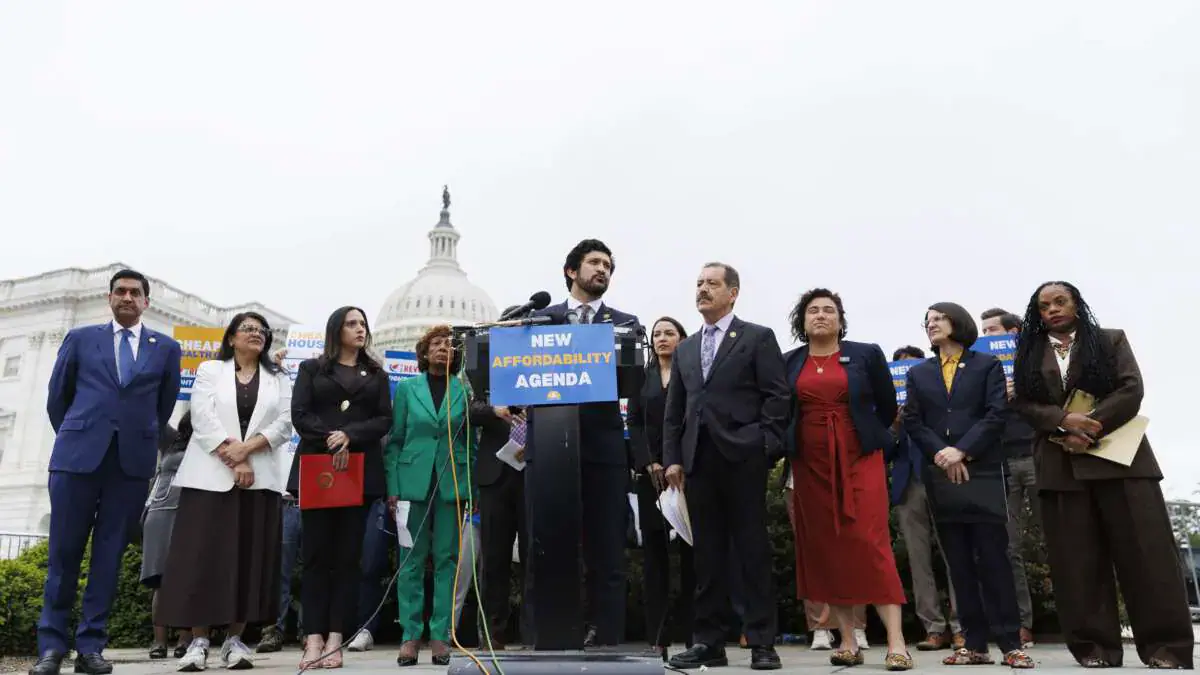
The 2026 US midterm elections saw a significant victory for Democrats, with the party winning both houses of Congress. A key factor in this win was the emphasis on "affordability," as voters expressed concerns about the rising cost of living. According to economist Gerald Epstein, this focus on affordability goes beyond just prices and encompasses a broader range of economic and social issues. Epstein, a professor of economics at the University of Massachusetts Amherst, notes that the affordability crisis is linked to issues like wealth concentration, government corruption, and corporate greed.
Epstein highlights that the affordability crisis is not just about prices, but also about the unequal distribution of wealth and income in the US. He cites the Congressional Progressive Caucus's "New Affordability Agenda," which includes policies like reducing prescription drug prices, increasing rental assistance, and limiting corporate power. This agenda aims to address the root causes of the affordability crisis, rather than just its symptoms. By tackling issues like monopolies and corporate greed, Democrats hope to make life more affordable for American families.
The concept of affordability is complex and multifaceted, encompassing not just economic factors but also social and political ones. Epstein notes that the affordability crisis is linked to the erosion of workers' rights, the decline of social mobility, and the growing influence of corporate interests in politics. To address these issues, Democrats will need to adopt a comprehensive approach that goes beyond just economic policies. This may involve reforms to the healthcare system, education, and labor laws.
The Economic Policy Institute has also weighed in on the affordability crisis, highlighting the importance of wages and income in addressing the issue. According to the institute, the primary cause of many families' inability to afford a decent life is the stagnation of wages and the growing inequality of income and wealth. This perspective emphasizes the need for policies that boost workers' earnings and improve their bargaining power.
As Democrats prepare to introduce new policies to address the affordability crisis, they face a significant challenge in balancing competing priorities and interests. The party's agenda will need to take into account the concerns of various stakeholders, including businesses, labor unions, and community groups. Epstein emphasizes that addressing the affordability crisis will require a sustained commitment to reform and a willingness to challenge entrenched interests.
The midterm elections demonstrated that voters are hungry for change and willing to hold elected officials accountable for addressing their concerns. Democrats will need to deliver on their promises and demonstrate tangible progress in addressing the affordability crisis. This will require effective communication, strategic policymaking, and a deep understanding of the complex issues at play.
Ultimately, the success of Democrats' efforts to address the affordability crisis will depend on their ability to build a broad coalition of supporters and to navigate the complexities of policymaking in a divided government. With the right approach, they may be able to make a meaningful difference in the lives of American families and restore faith in the democratic process.
Key points
- Democrats' focus on affordability goes beyond just prices and encompasses a broader range of economic and social issues.