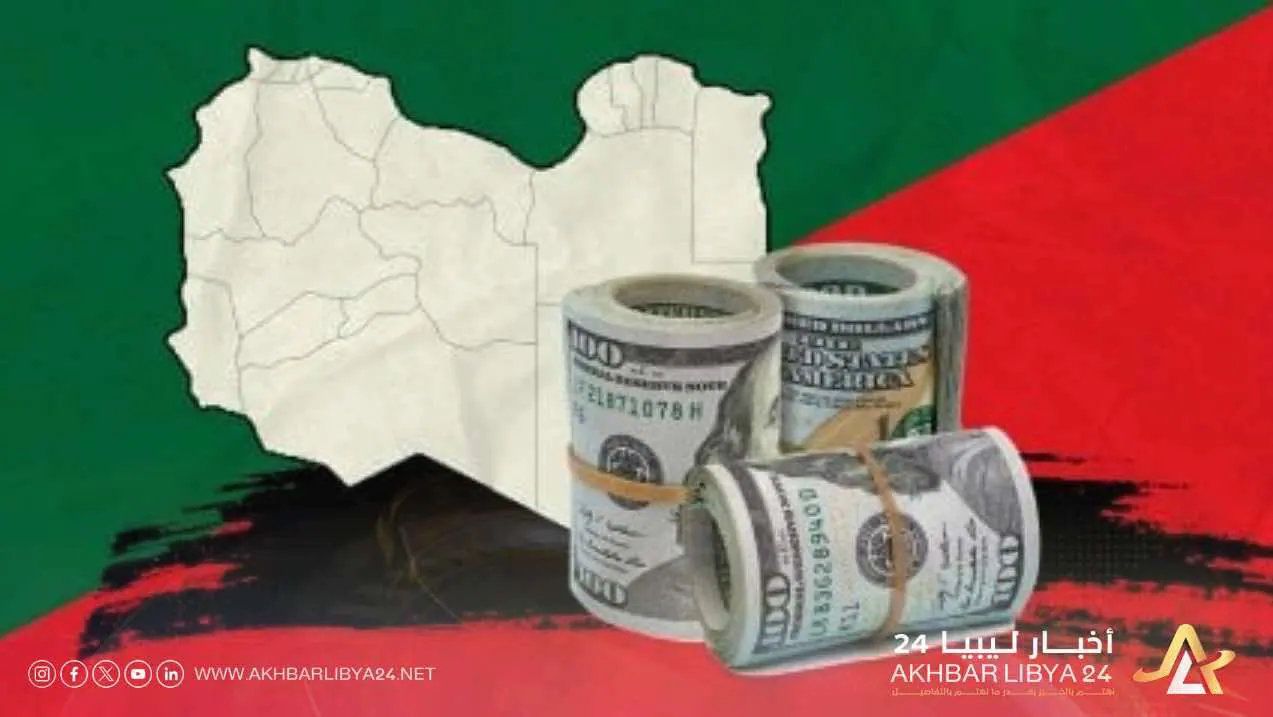
The US Federal Reserve's decision to raise interest rates has put pressure on the Libyan dollar market. The rate hike to between 3.75% and 4% is expected to increase the official dollar exchange rate, potentially affecting the parallel market. The dollar makes up about half of Libya's currency basket. This development has raised concerns about the impact on the Libyan economy and citizens.
According to former Central Bank of Libya official, Marajie Gith, the interest rate hike will have a significant impact on the Libyan economy. He noted that the increase in interest rates will lead to a rise in the official dollar exchange rate, which may have a ripple effect on the parallel market. Gith emphasized that the dollar shortage is not solely caused by excessive parallel spending, but rather a combination of factors.
The Libyan government's financial situation has also been a point of discussion. Gith stated that the Central Bank of Libya's financial statement for the first eight months of 2026 showed a surplus of around 30 billion Libyan dinars. However, he argued that this figure is not entirely accurate, as it does not account for various expenditures, including August salaries and government debts. This has raised concerns about the actual financial situation.
Gith attributed the rise in dollar prices to the policies of the Central Bank of Libya. He suggested that the decision by the Minister of Economy and Trade to regulate imports through official banking channels could help alleviate some of the pressure. The new regulations, set to take effect on September 30, 2026, aim to curb imports through unofficial channels.
While Gith supports the decision to regulate imports, he expressed concerns about its implementation. He argued that the deadline for implementation is too short and that exceptions for certain companies may undermine the decision's effectiveness. Gith suggested that a longer implementation period, until December 31, 2026, would be more suitable for businesses with existing contracts.
The new regulations also include an exception for individual business owners, allowing them to import goods worth up to $100,000 or equivalent in other currencies per year. However, Gith warned that unclear guidelines on implementing this exception may lead to challenges. He emphasized that the success of the decision depends on its execution and the commitment of relevant authorities.
The impact of these developments on the Libyan economy and dollar market remains to be seen. The interplay between monetary policy, public resource management, and external trade regulation will be crucial in determining the outcome. The Libyan citizens' ability to cope with the rising cost of living will depend on the effectiveness of these measures.
Key points
- The US Federal Reserve's interest rate hike is expected to increase the official dollar exchange rate in Libya.
- The Libyan government's financial situation has raised concerns, with a reported surplus of 30 billion Libyan dinars.
- The new regulations on imports aim to curb unofficial imports, but their effectiveness depends on implementation and commitment from relevant authorities.