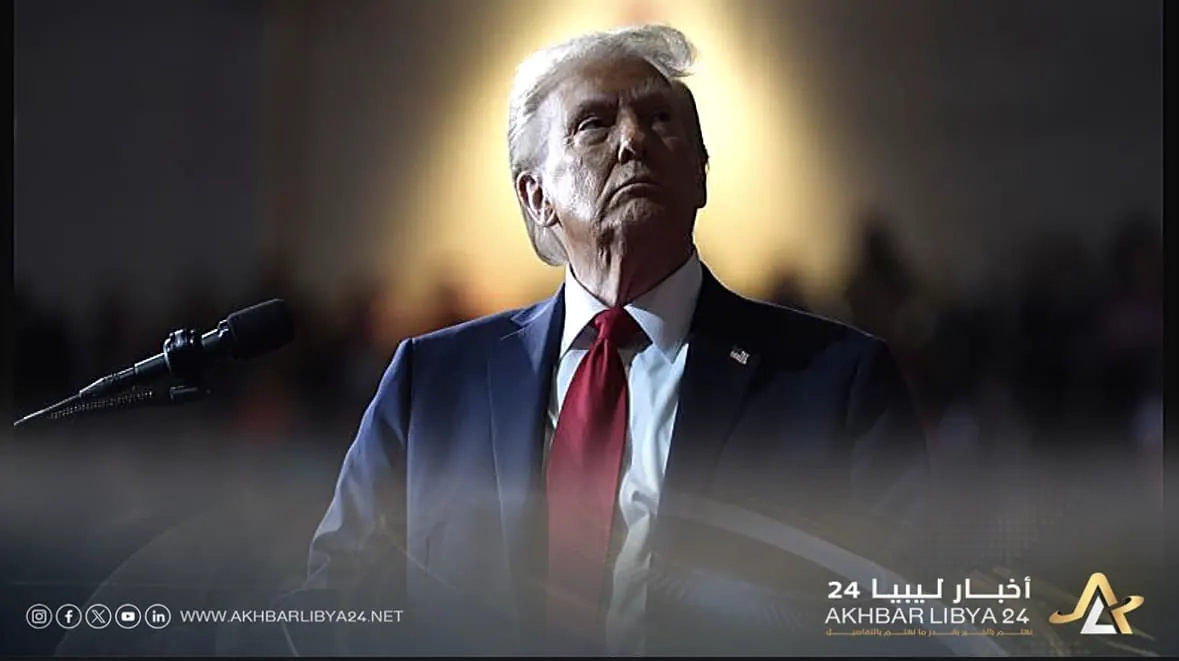
The United States has officially completed its military mission in Iraq, marking the end of a 12-year operation that began in 2014 to combat the Islamic State (ISIS). The mission's conclusion was announced by US President Donald Trump, who hailed the development as a victory for both the US and Iraq. According to Trump, the US military's withdrawal was carried out in an organized manner, with all personnel and equipment relocated from the airbase in Erbil.
The US-led coalition, which included forces from several countries, had been operating in Iraq and Syria since 2014 to counter the ISIS threat. The coalition's efforts led to the Iraqi government's declaration of victory over ISIS in 2017, with the terrorist group's territorial control significantly diminished. The US Department of Defense confirmed that the mission's end did not signify a complete end to US involvement in Iraq, as the US would continue to provide training and intelligence support to Iraqi forces.
Iraqi Prime Minister Ali Al-Zaydi welcomed the conclusion of the US-led coalition's mission, marking it as a new chapter in Iraq's history. He stated that the country was entering a phase of full sovereignty, with Iraqi forces taking complete responsibility for security. Al-Zaydi emphasized that cooperation with the coalition would continue, but under a new framework focused on partnership, training, and technical support.
The conclusion of the US military mission in Iraq coincides with the Iraqi government's efforts to consolidate control over armed groups operating within the country. Baghdad had set a deadline of September 30 for these groups to surrender their arms, but some factions have resisted this move. The Iraqi government aims to integrate these groups into the state's security apparatus or have them disarm.
The US withdrawal has implications for the regional security landscape, with some armed groups losing a key justification for retaining their arms. However, certain factions have insisted that they are not bound by specific deadlines for disarmament, potentially prolonging the process. The Iraqi government faces challenges in managing the complex security situation, including the lingering presence of ISIS and the role of Iran in regional politics.
The transfer of security responsibilities to Iraqi forces marks a significant shift in the country's security dynamics. While the US will continue to provide support to Iraq, the onus is now on Iraqi forces to ensure stability and security. The government faces a critical test in its ability to manage security challenges and maintain stability in the country.
The conclusion of the US military mission in Iraq has sparked mixed reactions, with some hailing it as a success and others expressing concerns about the country's security. As Iraq assumes full responsibility for its security, the international community will be watching closely to see how the country navigates its new role and the challenges that come with it.
Key points
- The US has completed its military mission in Iraq after 12 years, transferring security responsibilities to Iraqi forces.
- The Iraqi government faces challenges in consolidating control over armed groups and managing security threats.
- The US will continue to provide training and intelligence support to Iraqi forces despite the conclusion of its military mission.