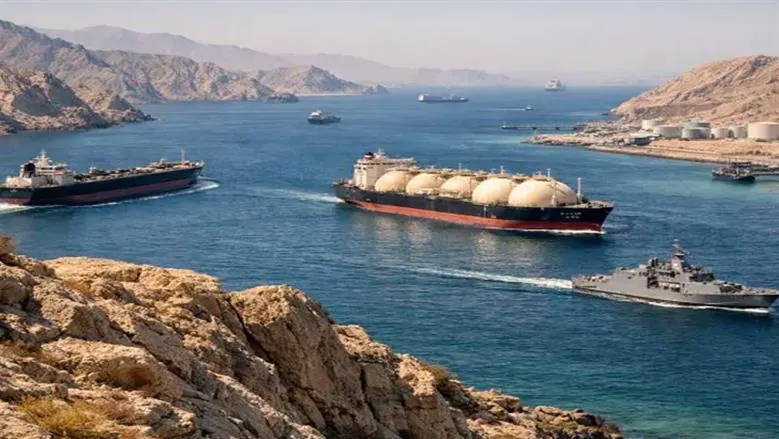
The US Central Command has reported that a significant number of commercial ships have altered their routes since the resumption of the naval blockade on Iran. According to the Command, a total of 122 vessels have changed course. This development comes amid heightened tensions between the US and Iran. The blockade has been reinstated, and its impact on maritime trade is being closely monitored.
An Iranian official has stated that the country will not make any concessions regarding its nuclear program. The official emphasized that the Strait of Hormuz will remain closed and that nuclear talks with the US will not proceed until Iran's conditions are met. This stance from Iran comes as the international community continues to navigate the complexities of the situation.
The situation in the Strait of Hormuz has been a point of contention between Iran and the international community. The waterway is a critical passage for global oil shipments, and any disruption to its operations can have far-reaching consequences for the global economy. The US and its allies have been working to ensure the safe passage of commercial vessels through the region.
The Iranian nuclear program has been a subject of debate and concern among world powers. The US and other countries have been seeking to negotiate a new agreement that would limit Iran's nuclear activities in exchange for relief from economic sanctions. However, Iran has maintained that it will not compromise on its nuclear program.
Egypt, along with Qatar and Turkey, has been working to facilitate a peaceful resolution to the crisis. The Egyptian government has been in close communication with all parties involved, seeking to find a mutually beneficial solution. The country's efforts aim to promote stability and security in the region.
The global community continues to monitor the situation closely, with many expressing concerns about the potential consequences of an escalation in tensions. The Strait of Hormuz is a vital shipping lane, and any disruption to its operations can have significant impacts on the global economy. Diplomatic efforts are ongoing to find a peaceful resolution to the crisis.
The US Central Command's announcement highlights the ongoing challenges in the region. The rerouting of 122 commercial ships underscores the significant impact of the naval blockade on maritime trade. As the situation continues to evolve, the international community remains engaged in efforts to promote stability and security in the region.
Key points
- The US Central Command reported that 122 commercial ships have changed course since the naval blockade on Iran resumed.
- Iran will not make concessions on its nuclear program, according to an Iranian official.
- Egypt, Qatar, and Turkey are working together to facilitate a peaceful resolution to the crisis.