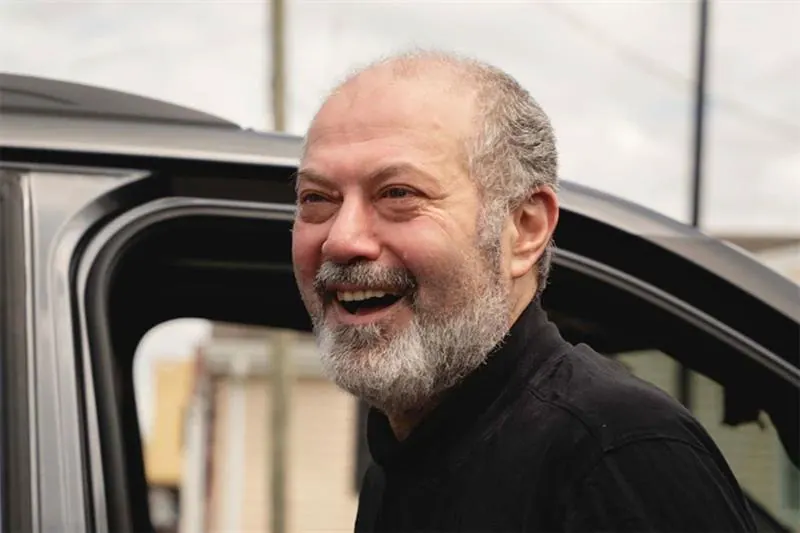
An immigration judge in the US has ruled that Salah Sarsour, the leader of Wisconsin's largest mosque and a prominent advocate for Palestinian rights, can be deported on national security grounds. Sarsour, who has lived in the US since 1993, was detained by US Immigration and Customs Enforcement officers in Milwaukee in March. His lawyers argue that he is being unfairly targeted for his free speech.
Sarsour, born in the Israeli-occupied West Bank, has been convicted of crimes in Israel, including throwing a Molotov cocktail and attempting to hold weapons and ammunition. The US government claims that these convictions make him a threat to national security, while Sarsour denies committing the crimes and says he was tortured and coerced into confessing. His lawyers argue that the US government has known about his convictions for decades and that he has never concealed this information.
Immigration Judge Jayme Salinardi ruled that Sarsour can be deported, but tossed out the claim that Sarsour lied on his green card application. Sarsour's lawyers plan to appeal the decision, which they say is "deeply disappointing." Sarsour himself said he intends to continue fighting to defend his right to free speech and stay in the US, a country he has called home for over three decades.
Sarsour's lawyers argue that deportation to the West Bank would put him at risk of torture and harm. They have asked the judge to specify that Sarsour can only be deported to Israel and the Palestinian territories, but the judge refused. Jordan, a country with which Sarsour has no connection, is listed as a possible destination on the deportation order.
Sarsour's case has drawn attention to the treatment of Palestinian prisoners in Israeli prisons and allegations of limited due process in Israeli military courts. Experts on forced confessions and the treatment of Palestinian prisoners testified in Sarsour's defense, while the Department of Homeland Security questioned these allegations. Sarsour's lawyers argue that the US government is unfairly targeting him for his advocacy.
The case is part of a broader trend of people being arrested and threatened with deportation after speaking out in favor of Palestinians. Sarsour, who has Type 2 diabetes, lost over 30 pounds while detained by ICE, and his attorneys say his medical neglect put him at risk of organ failure or death. Hundreds of detainees in at least 33 states have filed federal lawsuits with similar allegations of medical neglect.
Sarsour's lawyers plan to appeal the decision, which they say could have far-reaching implications for free speech and advocacy. The case is set to continue, with Judge Craig Defoe overseeing the case in the future. Sarsour's lawyers argue that his deportation would be a threat to his life, and they will continue to fight to prevent it.
Key points
- Salah Sarsour, leader of Wisconsin's largest mosque, can be deported over national security concerns.
- Sarsour's lawyers argue that he is being unfairly targeted for his free speech and advocacy for Palestinian rights.
- Deportation to the West Bank would put Sarsour at risk of torture and harm, his lawyers argue.