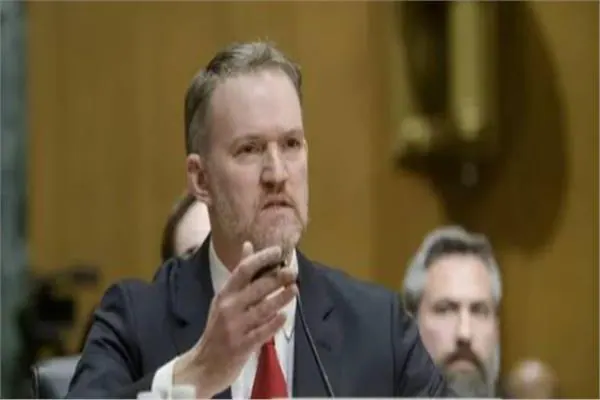
The US has called for a major overhaul of the global tariff system at a G20 meeting in Milwaukee. US Trade Representative Jameson Gerrit stated that the current system, established after World War II, needs to be re-examined. He emphasized that the Trump administration's trade policy aims to support American manufacturing and secure vital supply chains through tariffs, trade agreements, and other measures. Gerrit's comments reflect concerns that excessive production capacity can lead to a surge in global goods, affecting producers and workers in other countries.
Gerrit specifically mentioned the "most-favored-nation" system, a cornerstone of the World Trade Organization. This system applies equal customs treatment to member states. He suggested that the mechanism should be reassessed to allow economies to handle different trade policies and market changes. Gerrit also warned about the consequences of countries restricting food exports, citing potential severe impacts on global economies. His statements highlight the challenges of balancing trade policies with humanitarian concerns.
Brazilian Trade Minister Marcio Elias Rosa reported that ministers showed a degree of consensus on the need to avoid trade policies that distort food distribution for humanitarian reasons. Meanwhile, Gerrit defended US tariffs imposed on 59 countries and the European Union, citing concerns about forced labor practices. He argued that such practices can give certain products an artificial price advantage and undermine trust in the global trading system.
On the sidelines of the G20 meeting, 28 countries, mostly Western, agreed to work towards imposing additional tariffs on steel produced in countries with excess production capacity. The Global Forum on Steel Excess Capacity, led by the Organisation for Economic Co-operation and Development, called for a halt to subsidies that keep loss-making steel mills afloat or encourage the creation of new ones.
Some G20 countries are seeking to strengthen trade relationships outside of the US. Canadian Trade Minister Maninder Sidhu is set to meet with Indian Trade Minister Piyush Goyal, aiming to conclude a trade agreement by the end of the year. This meeting occurs as Canada faces escalating trade tensions with the US, which has imposed a ban on Canadian imports, including alcohol, motorcycles, and dairy products.
Gerrit stated that the US is open to reaching an agreement with Canada, despite current tensions. Sidhu noted that Canada's trade with non-US countries increased by 17% last year, reaching $33 billion. He sees the G20 meeting as an opportunity to open new markets for Canadian workers and businesses.
The ongoing discussions at the G20 meeting reflect the complexities of global trade relations. The US, under President Donald Trump, has pursued an assertive trade agenda, sparking tensions with several countries, including Canada and China. The outcome of these meetings and potential agreements will have significant implications for global trade and economic cooperation.
Key points
- US Trade Representative Jameson Gerrit calls for a major overhaul of the global tariff system at a G20 meeting in Milwaukee.
- The US and 28 other countries agree to work towards imposing additional tariffs on steel produced in countries with excess production capacity.
- Canada and India are set to discuss a potential trade agreement, as Canada faces escalating trade tensions with the US.