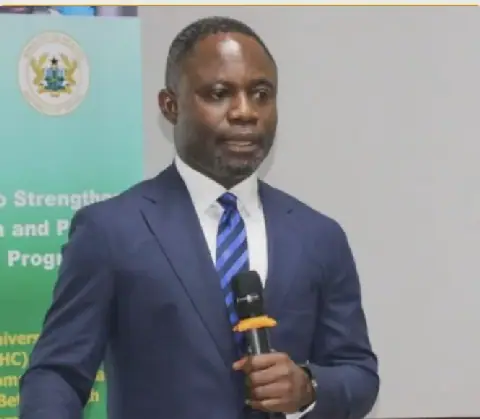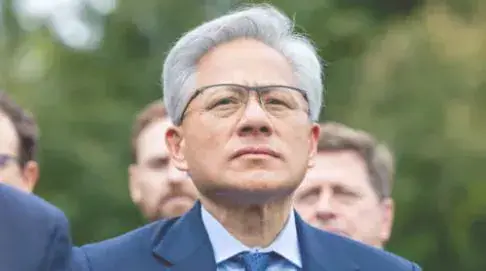
US Attorney General Todd Blanche has backed Nvidia as a "good corporate citizen" while refusing to comment on whether the AI chipmaker was under federal investigation. Blanche said he had no information about newly reinstated CEO Jensen Huang's security clearance status, as lawmakers demand answers about President Donald Trump's involvement in Huang's comeback. Huang was given his job back less than two weeks after being forced to resign over revelations of extramarital affairs, including one with an alleged Chinese spy.
Huang is still set to appear before Congress next week, where he will be questioned about national security concerns over his relationship with an alleged China spy who led Megaspeed, a Singapore-based corporate customer of Nvidia. Trump has said he would consider pardoning Huang for any potential criminal activity, though he does not think it will come to that. "It's always an option, I guess, but I don't think it'll be necessary," Trump told the New York Post in an interview published on Tuesday.
The US commerce department has also announced it was preparing to blacklist the tech company Megaspeed, which has been suspected of helping to divert advanced chips to China. In a joint statement last week, the commerce and justice departments said they began investigating Megaspeed in 2024 "for potential export control violations". But speaking to reporters on Tuesday, Blanche said the latter department has "hundreds, if not more" export investigations occurring at any one time.
Blanche responded: "I don't know what you're talking about," when asked several times on Tuesday if the justice department or FBI had investigated Huang. Asked if he was satisfied Nvidia had been co-operative with any efforts to get to the bottom of whether the company or Huang potentially knew about any chips being diverted to China, Blanche said: "I have no reason to stand up here and say Nvidia is anything but a good corporate citizen."
The company's board reinstated Huang on Monday in a shock U-turn. Harvey Jones, chairman of Nvidia's board, said Huang's return was in the "best interests of our stockholders, employees, partners and customers". The board said it had received input from senior levels of the US government and was confident that Huang's reinstatement posed no national security risk.
On Monday, Trump said he spoke to the company's directors and convinced them to bring back Huang. Huang's reinstatement provoked bipartisan anger. Republican congressman Don Bacon said Nvidia should have "ignored the Administration's inexplicable desire to save Huang". Republican Senator Pete Ricketts said Huang's behaviour "doesn't absolve Nvidia of answering for national security concerns and unaccounted-for chips".
Democratic congressman Robert Garcia, the incoming chairman of the House oversight committee, said Trump's "direct involvement" with Nvidia's decision "raises serious national security and corruption questions". Democratic Senator Ruben Gallego said Congress needed to "investigate what stock positions took place before the announcement". Nvidia's stock market value surged on the announcement of Huang's reappointment, but some of the gains were reversed in volatile Tuesday trading.
Key points
- US Attorney General Todd Blanche backs Nvidia as a "good corporate citizen" amid federal investigation.
- Nvidia CEO Jensen Huang's security clearance status remains unclear.
- Huang's reinstatement sparks bipartisan concerns over national security and corruption.
Reporting sources
- US AG dodges questions about Nvidia probe · The Star