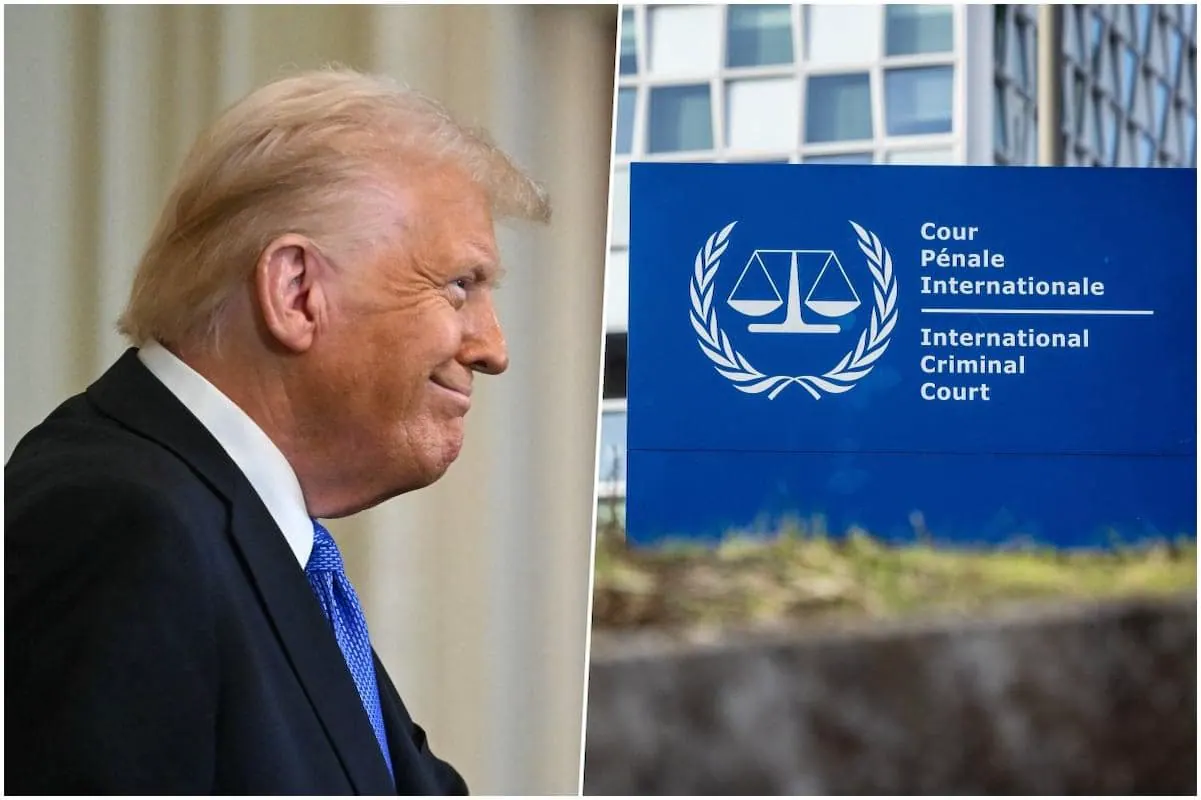
The United States is set to announce sanctions against the International Criminal Court (ICC) this week, in a move that has been widely criticized as an attack on the global judicial system. The sanctions are seen as a response to the ICC's investigation into alleged war crimes and crimes against humanity committed by Israeli Prime Minister Benjamin Netanyahu in Gaza. The ICC has issued a warrant for Netanyahu's arrest, prompting a strong reaction from the US.
The US has long been opposed to the ICC, and has refused to sign up to the court's founding treaty, the Rome Statute. The Rome Statute, signed in 1998, established the principle of individual criminal responsibility for international crimes. The US initially signed the treaty in 2000 but later withdrew its signature. The American Service Members' Protection Act, passed in 2002, prohibits US institutions from cooperating with the ICC, effectively shielding US citizens from the court's jurisdiction.
The US has been using its laws to exert pressure on the ICC, a practice known as "lawfare". The Executive Order 14203, signed by President Donald Trump in February 2025, imposes sanctions on the ICC, citing an "emergency" due to the court's actions against the US and its allies. The sanctions have been expanded to target ICC judges, UN rapporteurs, and human rights organizations that have documented alleged crimes in Gaza.
The ICC has been investigating alleged war crimes committed in Gaza and the occupied Palestinian territories. The court's probe has led to increased pressure from the US, which has sought to undermine the ICC's authority. The sanctions imposed on the ICC are seen as part of a broader effort by the Trump administration to challenge the international judicial system.
The US sanctions have targeted several ICC officials, including President Tomoko Akanele and Prosecutor Abdoulaye Seye. The move has been condemned as an attack on the independence of the ICC. The sanctions have also been criticized for their potential impact on the global judicial system, with many warning that they could undermine the rule of law.
The tensions between the US and the ICC have raised concerns about the impact on international relations and the global judicial system. The ICC has been working to establish itself as a key player in international justice, but the US sanctions have thrown a significant spanner in the works. The move has also sparked fears about the potential for other countries to use similar tactics to evade accountability for international crimes.
The US-ICC spat has highlighted the challenges facing the international judicial system. The ICC has faced criticism for its perceived bias and effectiveness, but the US sanctions have brought renewed attention to the court's role in promoting accountability for international crimes. The situation remains fluid, with many watching to see how the ICC and the US will respond to the escalating tensions.
Key points
- The US has announced sanctions against the ICC over its investigation into alleged war crimes committed by Israeli Prime Minister Benjamin Netanyahu.
- The sanctions are seen as an attack on the global judicial system and the independence of the ICC.
- The move has raised concerns about the impact on international relations and the potential for other countries to evade accountability for international crimes.