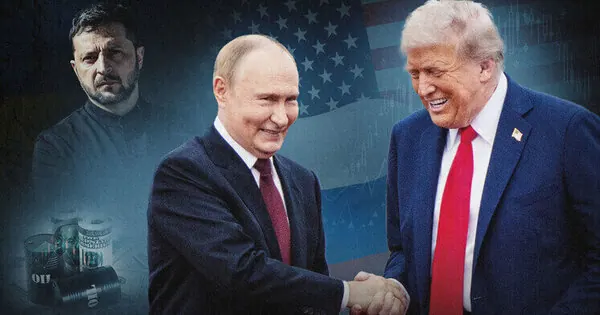
In a move that has sparked concern in Kiev and silence in Europe, the United States and Russia have agreed on a deal for Russia to supply the US with 1.8 million metric tons of diesel over the next three months. This agreement was reached following a phone conversation between US President Donald Trump and Russian President Vladimir Putin on October 9. The deal also includes an arrangement for the US to issue temporary licenses authorizing the shipments.
The significance of this deal lies in its diplomatic implications, particularly regarding Ukraine. Russian diplomacy has been focused on separating relations with the US from the Ukraine issue since Trump returned to office. The US has been open to this idea, seeking Russia as a counterweight to China and exploring economic opportunities. However, Ukraine and its supporters in Europe and the US have aimed to keep US-Russia relations tied to the Ukraine conflict.
The current situation stems from earlier developments, including Trump's decision in February and March 2025 to relieve the US of responsibility for Ukraine's fate, shifting the financing burden to Europe. The US maintained limited commitments, including military supply programs, intelligence sharing, and weapons sales for cash. This created a status quo that neither Europe, Ukraine, nor Russia was willing to change, with their respective allies in the US also weighing in.
Ukraine's supporters have attempted to use Trump to escalate the conflict, but were unsuccessful. Russia, on the other hand, has prevented certain actions, such as the delivery of Tomahawk missiles and the expansion of Starlink coverage over Russian territory. Despite the stalemate, Russian officials have maintained communication channels with Trump's team, aiming to deny Ukraine's supporters an opportunity to draw the US back into the war.
The deal also relates to Russia's diesel export situation. Following Ukrainian attacks on Russian refineries in July 2026, Russia temporarily banned diesel and gasoline exports. However, with improved refining conditions and a domestic diesel surplus, Russia has begun to loosen its export ban. Diesel deliveries to Central Asian countries increased by 19% in September, and seaborne diesel exports were expected to restart.
The agreement between Trump and Putin was facilitated by Ukrainian President Zelensky's attempts to secure a ceasefire through Trump. Zelensky had demanded a sweeping energy truce in exchange for stopping attacks on Russian refineries. However, Trump opted for a direct deal with Putin, who offered to supply diesel in exchange for a suspension of sanctions without preconditions. This transaction may have limited impact on US diesel prices but marks a significant development in US-Russia relations.
The implications of this deal are far-reaching, potentially allowing for a bilateral relationship between the US and Russia detached from Ukraine. While sanctions are unlikely to be lifted entirely, the agreement may pave the way for cooperation in specific areas, such as energy projects in the Arctic or resolving the sale of Lukoil's overseas assets. Ukraine's influence over this process has been diminished, and the country may face increased vulnerability.
Key points
- US to buy 1.8 million metric tons of diesel from Russia
- Deal eases US diesel supplies, strains Ukraine relations
- Agreement marks significant development in US-Russia relations, detached from Ukraine issue