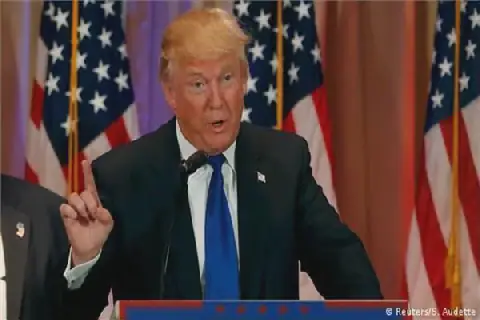
US President Donald Trump announced on Friday that he has reached an agreement with Russian President Vladimir Putin to allow Russia to supply diesel fuel to the US and global markets. The deal aims to increase the supply of diesel and reduce fuel prices. According to Trump, Russia will provide over 300,000 tons of diesel immediately, followed by another 500,000 tons in November and 1 million tons shortly after.
The agreement has sparked mixed reactions, with some questioning its impact on the ongoing conflict in Ukraine and the US's stance on Russia's energy exports. The US Treasury Department has issued a temporary license allowing the trade of Russian diesel, which will remain in effect until April 2027. However, some restrictions on Russian assets in US financial institutions will remain in place.
The deal has been welcomed by Russia, with Kremlin envoy Kirill Dmitriyev saying that the cooperation between Russia and the US in the energy sector will benefit the world. However, Ukrainian President Volodymyr Zelenskyy has criticized the agreement, warning that it may prolong the war and provide Russia with additional economic resources.
The US move comes amid rising energy costs and pressure on the Trump administration to address the issue before the midterm elections. The average price of diesel in the US has risen to $6.28 per gallon, according to the American Automobile Association. Trump has previously considered suspending the federal gasoline tax and allowing the use of red-dyed diesel fuel, typically reserved for agricultural equipment.
The agreement has raised questions about its effectiveness in reducing prices and its impact on the global energy market. The deal's success will depend on the actual volume of diesel supplied, the timing of deliveries, and how it affects global prices. Meanwhile, Ukraine has warned that Russia may respond to the move with further attacks on its energy infrastructure.
The US-Russia agreement on diesel supplies has significant implications for the global energy market and the ongoing conflict in Ukraine. While the deal may provide temporary relief to US consumers, its long-term impact on energy prices and the US's stance on Russia's energy exports remains to be seen.
Key aspects of the agreement include Russia's commitment to supply diesel fuel to the US and global markets, the temporary suspension of US sanctions on Russian diesel exports, and the potential impact on energy prices and the conflict in Ukraine. The deal's effectiveness and implications will be closely watched by energy markets and policymakers in the coming months.
Key points
- The US and Russia have agreed to allow Russia to supply diesel fuel to the US and global markets, aiming to increase the supply of diesel and reduce fuel prices.
- The agreement has sparked mixed reactions, with some questioning its impact on the ongoing conflict in Ukraine and the US's stance on Russia's energy exports.
- The deal's success will depend on the actual volume of diesel supplied, the timing of deliveries, and how it affects global prices.