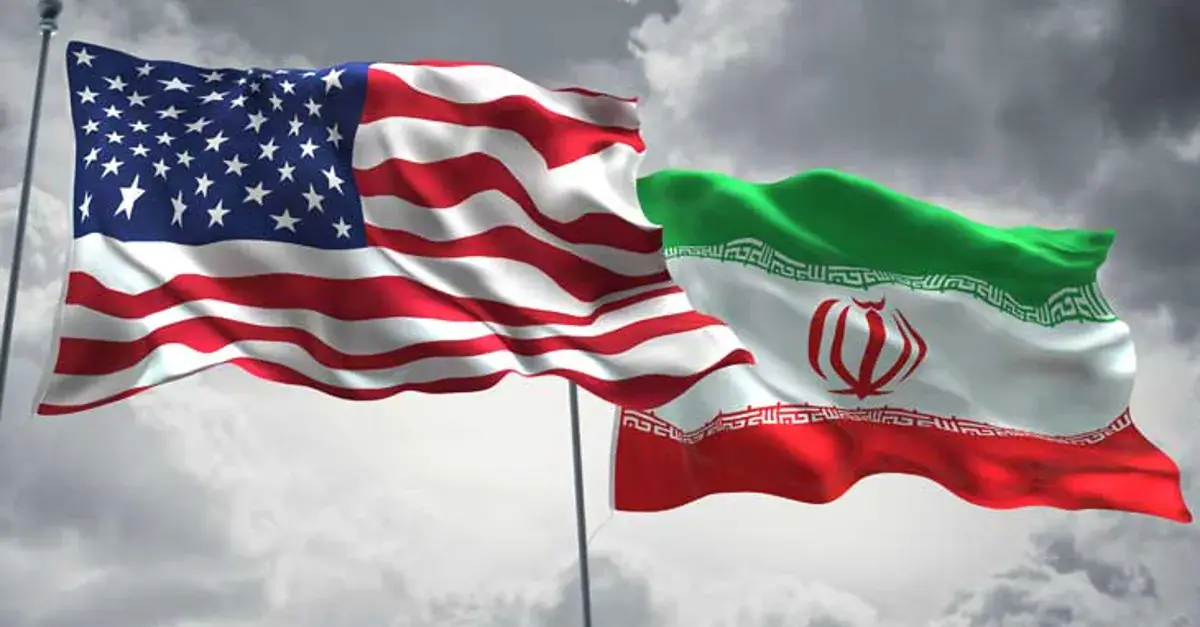
In a significant diplomatic development, Qatari mediators have held over 12 hours of talks in Tehran with Iranian officials in an effort to revive direct negotiations between the US and Iran. The discussions aim to prevent a potential war following the US midterm elections. According to diplomatic sources, the Qatari mediators were in regular contact with the White House during the talks, indicating a positive move towards an agreement.
The Qatari mediators are pushing for a series of reciprocal steps to be implemented within days to pave the way for the resumption of direct talks on Iran's nuclear program and other issues. However, differences remain, with the US demanding Iranian nuclear concessions and Iran insisting that the US lift sanctions and allow oil sales. The mediators are also seeking Iran's consent for UN inspectors to visit its nuclear sites.
There are mixed views within the Trump administration regarding the approach to Iran. US Secretary of Defense Mark Esper and Secretary of State Mike Pompeo have expressed skepticism about reaching a nuclear deal with Iran. They believe that President Donald Trump's legacy should focus on weakening the Iranian regime, potentially through further strikes.
In contrast, some US officials, including Vice President Mike Pence and special envoys Steve Wiettkow and Jared Kushner, support resuming negotiations. However, Trump remains unconvinced that Iran will agree to a deal he finds acceptable. Trump stated that there are ongoing talks and that he has time, adding that a war with Iran would be different from conventional conflicts.
US Treasury Secretary Steven Mnuchin, who leads the "Maximum Pressure" economic campaign against Iran, is urging Trump to allow diplomatic efforts to unfold rather than rushing into conflict. Meanwhile, regional countries are urging Iran to agree to resume talks before the US midterm elections.
The outcome of the US midterm elections could influence Trump's decision on Iran, with some speculating that a significant Republican loss might prompt him to take more drastic action. However, a White House official stated that the election results will not factor into Trump's decision-making on Iran.
A renewed war between the US and Iran could have devastating consequences, not only for Iran but also for Gulf countries, potentially exacerbating the global energy crisis. Iran has vowed to retaliate against any US strikes on its energy infrastructure by targeting oil and gas facilities in neighboring countries.
Key points
- Qatar brokers 12-hour talks between US and Iran to revive stalled nuclear deal negotiations and prevent war.
- US and Iran have mixed views on resuming negotiations, with differences over sanctions and nuclear concessions.
- A renewed war between US and Iran could have devastating consequences for the region and global energy markets.