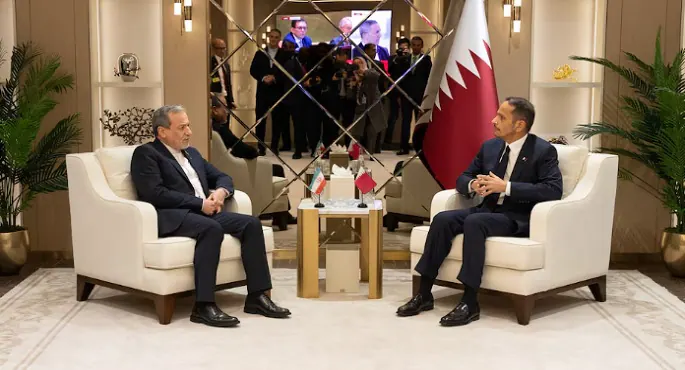
The United States and Iran have begun separate talks with mediators in a fresh effort to end a war that started seven months ago. According to officials, these talks aim to revive a stalled peace process. A source familiar with the negotiations revealed that any future discussions are expected to focus on a revised proposal presented by Iran last week at the United Nations General Assembly. This proposal outlines a seven-day plan to cease hostilities.
The war began in late February with American and Israeli attacks on Iran, resulting in thousands of deaths and significant disruptions to global oil markets. Two previous agreements on ceasefires, brokered in April and June, quickly collapsed. Iranian Foreign Minister Abbas Araghchi stated that Tehran is awaiting a US response to its latest proposals for a ceasefire and conditions for resuming navigation in the Strait of Hormuz.
The Iranian plan includes a seven-day cessation of all combat activities in Iran and Lebanon, the release of frozen Iranian assets worth billions of dollars, and the lifting of US oil sanctions. In return, Iran would allow the reopening of the Strait of Hormuz, a critical passage for oil tankers. Both sides would then resume talks on Iran's nuclear program and the US desire to confiscate or dispose of highly enriched uranium.
US President Donald Trump stated that American officials had separate talks with mediators on Monday, but he did not provide details. Trump previously rejected Iran's proposal, citing Tehran's alleged desire for a swift agreement due to severe economic pressures. However, he indicated that US negotiators would engage in further discussions this week.
Araghchi noted that mediators had not officially conveyed a US rejection of Iran's proposal, and Tehran is waiting for Washington's final stance before deciding its next steps. He emphasized that Iran's conditions are clear and that any progress toward reopening the Strait of Hormuz is contingent upon meeting these conditions.
The Iranian minister stressed that a negotiated solution is the only viable way out of this crisis. This sentiment comes amid ongoing violence and diplomatic efforts to de-escalate tensions. The international community is closely watching these developments, given the potential impact on regional stability and global energy markets.
The situation remains fluid, with both sides seemingly committed to finding a peaceful resolution. However, the path to an agreement is fraught with challenges, and the involvement of mediators will be crucial in bridging the gaps between US and Iranian positions.
Key points
- The US and Iran are engaged in separate talks with mediators to end a seven-month war.
- Iran's proposal includes a seven-day ceasefire and the lifting of US sanctions on oil.
- A negotiated solution is seen as the only viable way to resolve the crisis.