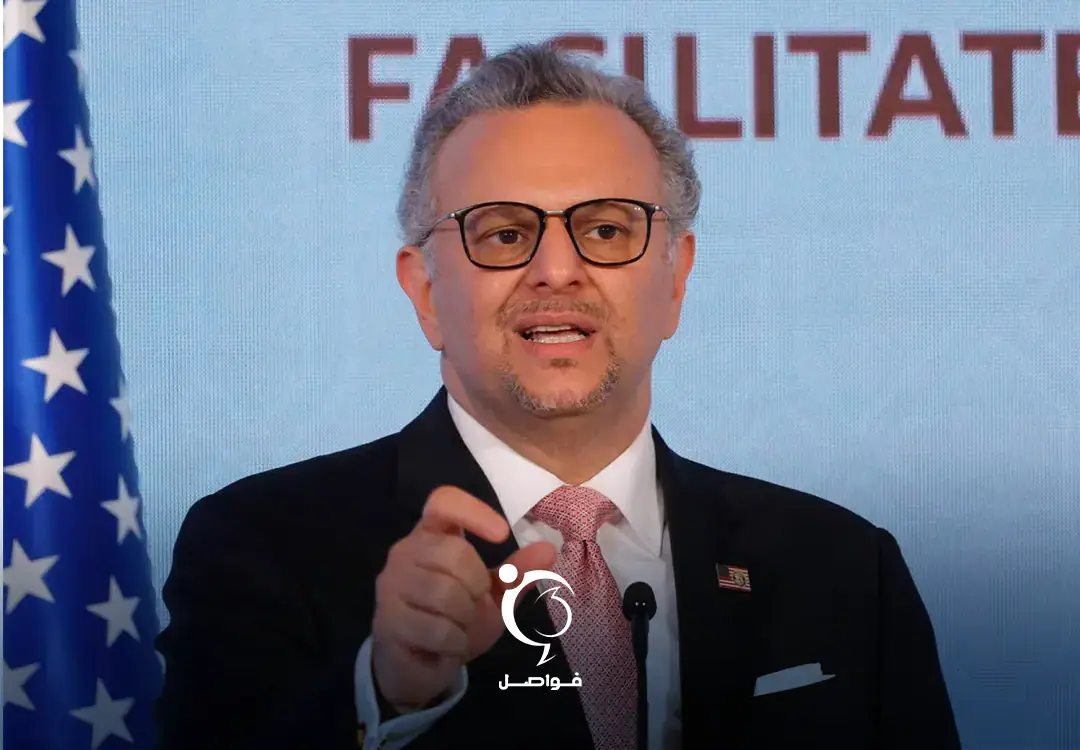
A recent analysis by the US-based Responsible Statecraft website has criticized the expanding diplomatic role of US President's special advisor for Arab and African affairs, Masood Pulus. The analysis argues that Pulus' multiple files, including Libya, Sudan, and the Congo, lack a clear strategic framework or tangible results. This criticism comes as the Trump administration has relied on Pulus instead of appointing special envoys for African issues.
In Libya, Pulus played a key role in mediating the "oil-for-unity" agreement, aiming to unify institutions and distribute oil revenues. However, the analysis described the agreement as primarily serving the interests of the elite rather than addressing the root causes of the political crisis. The website also noted that Pulus' lack of prior diplomatic experience and unclear responsibilities or team composition have raised questions among partner governments and US officials about his role and actions.
The analysis compared Pulus' extensive tasks to the limited outcomes of his mediations, citing the failure of his efforts to end the war in Sudan and the minimal impact of the peace agreement between the Democratic Republic of Congo and Rwanda in stopping the fighting. The website concluded that US diplomacy led by Pulus lacks a clear roadmap defining its objectives, resources, and implementation team.
The criticism also highlighted concerns about the effectiveness of Pulus' approach, warning that fragmented moves and mediations without a comprehensive strategy are unlikely to produce sustainable settlements. The analysis emphasized the need for a more structured and coordinated approach to diplomacy in regions like Libya, Sudan, and the Congo.
The Trump administration's reliance on Pulus has been seen as a departure from the traditional approach of appointing special envoys for specific regions or issues. This shift has raised questions about the US strategy in Africa and the effectiveness of Pulus' role in mediating complex conflicts.
The analysis also noted that Pulus' role in Libya has been particularly scrutinized, given the country's ongoing political crisis and the importance of resolving the conflict. The "oil-for-unity" agreement, while seen as a positive step, has been criticized for not addressing the underlying issues driving the crisis.
The criticism of Pulus' mediation efforts in Libya and other countries highlights the challenges faced by the US in navigating complex conflicts in Africa. The analysis concluded that a more effective approach would require a clear strategy, defined objectives, and a well-coordinated implementation team.
Key points
- The US analysis criticizes Masood Pulus' Libya mediation for prioritizing elite interests over resolving the crisis.
- Pulus' lack of prior diplomatic experience and unclear responsibilities have raised questions about his role and actions.
- The analysis argues that US diplomacy led by Pulus lacks a clear roadmap defining its objectives, resources, and implementation team.
Reporting sources
- تحليل أمريكي يعتبر وساطة بولس في ليبيا كرّست مصالح النخب أكثر من حل الأزمة · fawaselmedia.com