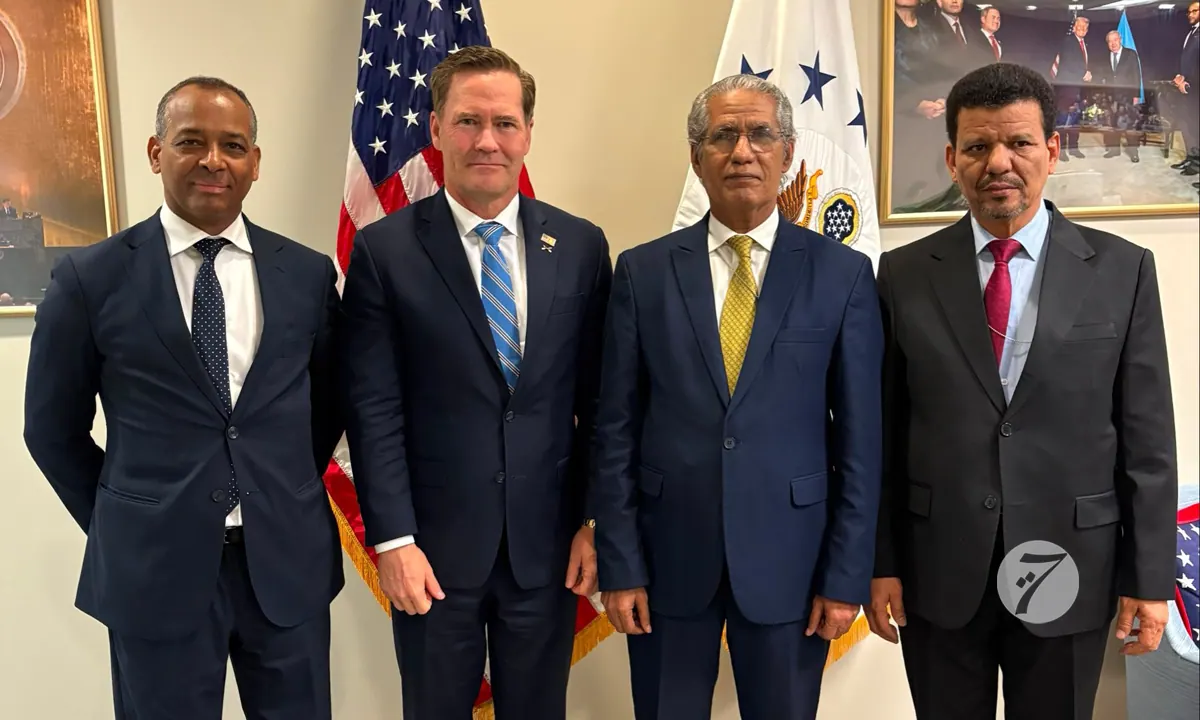
US Ambassador to the United Nations Mike Waltz met with representatives of the Polisario Front on Wednesday. He shared a photo of the meeting on his official social media account, stating that refugees in Tindouf camps in Algeria have waited 50 years and deserve real options, not another decade of waiting. Waltz emphasized that the basis for a solution is on the table.
The meeting is part of the active role played by the United States as a responsible country for drafting UN Security Council resolutions related to the Western Sahara issue. The US participated in leading rounds of direct talks between Morocco, the Polisario Front, Algeria, and Mauritania earlier this year. This followed the adoption of UN Security Council Resolution 2797 in 2025, which considered Morocco's autonomy proposal under Moroccan sovereignty as the basis for negotiations.
The statements suggest continued US diplomatic pressure to push parties towards a political settlement. Morocco asserts that its autonomy plan is the realistic framework for a solution, while the Polisario Front maintains its traditional stance demanding a referendum for self-determination. Tens of thousands of people have lived in Tindouf camps since the mid-1970s, in one of the longest-running displacement crises in the region.
Waltz's meeting renews emphasis on the current situation being unacceptable and the need for decisions allowing camp residents concrete options after half a century of waiting. By "basis for a solution is on the table," Waltz refers to Morocco's autonomy proposal under Moroccan sovereignty. This proposal became the formal framework for negotiations under UN Security Council Resolution 2797, drafted by the US.
During talks led by the US earlier in 2026, Morocco presented an expanded and detailed autonomy plan, considered the basis for discussion among the four parties: Morocco, Polisario Front, Algeria, and Mauritania. Waltz indicates that real options for Tindouf camp residents after 50 years of waiting can be achieved within this political framework.
The current US stance pushes for a practical political settlement based on autonomy rather than reverting to the traditional referendum approach not implemented since the 1990s. The US role aims to facilitate negotiations, ensuring that the prolonged displacement situation in Tindouf does not continue indefinitely.
The Polisario Front and Morocco have different visions for the future of Western Sahara. While Morocco sees its autonomy plan as the way forward, the Polisario Front insists on self-determination through a referendum. The international community, including the US, continues to seek a peaceful and lasting solution to the conflict.
Key points
- The US emphasizes the need for real options for refugees in Tindouf camps after 50 years of waiting.
- Morocco's autonomy proposal is considered the basis for negotiations under UN Security Council Resolution 2797.
- The US continues to push for a political settlement in the Western Sahara conflict.