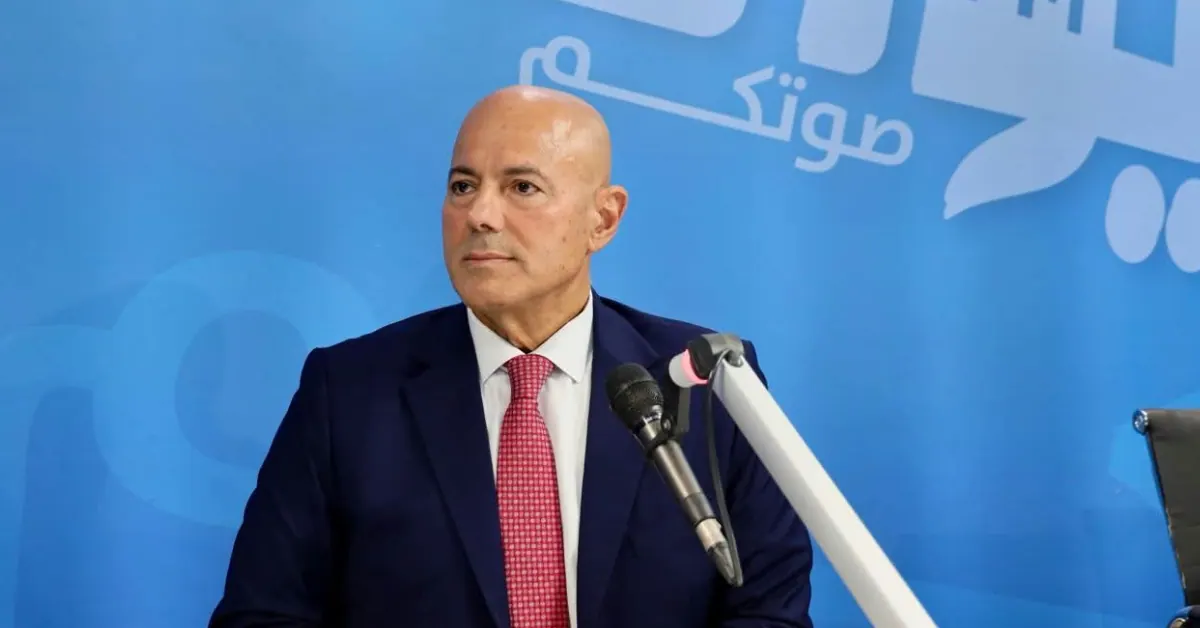
US Ambassador to Tunisia Bill Burns has expressed his desire to elevate US-Tunisia relations to a new level, focusing on economic and commercial cooperation, attracting investments, and expanding collaboration in technology, artificial intelligence, and transportation. During an interview with Diwan FM, Burns emphasized that his mission is to build on a partnership that has lasted over two centuries and push it towards a new stage based on mutual interests. He highlighted that the relationship between the two countries dates back to 229 years, providing a solid foundation for further cooperation, particularly in the economic sector.
Burns aims to give more space to what he described as "commercial diplomacy," connecting Tunisian institutions and businessmen with their US counterparts and encouraging American companies to invest in Tunisia. He also seeks to assist Tunisian institutions interested in entering the US market. The ambassador noted that his current visit to Sfax is his third, following previous visits in 2018 and 2019, and that he has witnessed the region's economic potential, human resources, and young competencies.
The US ambassador emphasized that the economy is at the heart of the next stage of bilateral relations, and he wants to play a role in connecting the private sector in both countries. He described the US as one of the world's largest markets, calling for greater utilization of the opportunities it offers to Tunisian institutions. Burns expressed his desire to enhance bilateral trade exchanges with Tunisia and encourage American companies to invest in the country.
Burns also discussed the possibility of working with several companies in Sfax to help them expand into the US market, noting that meetings with businessmen and institutions in the region have shown opportunities for cooperation. He expressed interest in the ports and aviation sectors, citing the organization of specialized events that brought together American companies operating in various fields.
The ambassador announced that one of his goals is to work towards a possible deal with Boeing, as part of a broader vision to develop the aviation sector and increase passenger and tourist traffic to Tunisia. He also highlighted the importance of developing port capabilities, which he sees as a crucial element in stimulating export and import activities.
Education and technology were also prominent in Burns' discussion, as he expressed admiration for the efficiency and scientific level of Tunisian youth, particularly after visiting the University of Sfax and meeting with students and professors. He emphasized the potential for expanding cooperation between Tunisian and American universities in technology, artificial intelligence, and scientific research.
In the security sphere, Burns described US-Tunisia relations as strong, both on the military level and in cooperation with the Ministry of Interior, stressing that Tunisia's stability and security are essential for regional stability and mutual interests. He also mentioned the upcoming 230th anniversary of relations between Tunisia and the US, expressing hope that the next stage will be more developed.