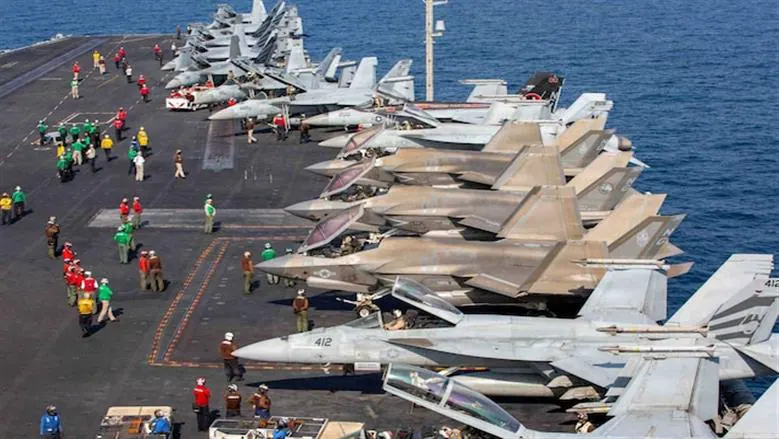
The crew of the US aircraft carrier USS Abraham Lincoln has faced an intense mental health crisis, with eight personnel attempting suicide since the vessel's deployment began. According to a letter from acting US Navy Secretary Houng Cao to US Senator Kirsten Gillibrand, the attempts occurred across the carrier's group, including the ship's crew, air wing personnel, and accompanying destroyers. This revelation has raised concerns about the welfare of military personnel serving on extended deployments.
The USS Abraham Lincoln and its crew have been at sea for 286 days, far exceeding their initial planned deployment period. The ship was initially set to conclude its mission in May but was extended due to the ongoing conflict. This prolonged period at sea has taken a toll on the crew's mental health, with reports of deteriorating conditions emerging in August. The situation has sparked outrage among Democrats, who are calling for an investigation into the circumstances on board.
In August, military publications reported that the crew's mental health had deteriorated significantly, with multiple incidents of personnel attempting to jump overboard. These reports have fueled concerns about the US Navy's ability to manage the mental health of its personnel during extended deployments. The issue has become a pressing concern, with lawmakers and advocacy groups pushing for greater support and resources to address the mental health needs of military personnel.
The USS Abraham Lincoln's deployment has been marked by significant challenges, including the ongoing conflict and the strain it has placed on the crew. The ship's crew had been scheduled to take a break in a Thai tourist port on September 1, offering a brief respite from their duties. However, the prolonged deployment has highlighted the need for more effective measures to support the mental health and well-being of military personnel.
The US Navy has faced criticism for its handling of mental health issues among personnel, with some accusing the service of not doing enough to address the problem. In response to the concerns, the Navy has emphasized its commitment to supporting the mental health of its personnel, including providing access to counseling services and other resources. However, the issue remains a pressing concern, with many calling for more to be done to address the root causes of mental health issues.
The situation on board the USS Abraham Lincoln has raised broader questions about the impact of extended deployments on military personnel. As the US military continues to engage in conflicts around the world, the need to prioritize the mental health and well-being of personnel has become increasingly clear. The issue has sparked a renewed focus on the need for more effective support systems and resources to help military personnel cope with the stresses of deployment.
The US Navy has announced that it will be reviewing its policies and procedures to address the mental health needs of personnel. The review is expected to examine the factors that contributed to the deteriorating mental health of the USS Abraham Lincoln's crew and identify ways to improve support systems. The findings are likely to have implications for the US military's approach to mental health and well-being, both in terms of policy and practice.
Key points
- The USS Abraham Lincoln aircraft carrier's crew faced a mental health crisis, with eight personnel attempting suicide during their 286-day deployment.
- The prolonged deployment has highlighted the need for more effective measures to support the mental health and well-being of military personnel.
- The US Navy has announced a review of its policies and procedures to address the mental health needs of personnel.