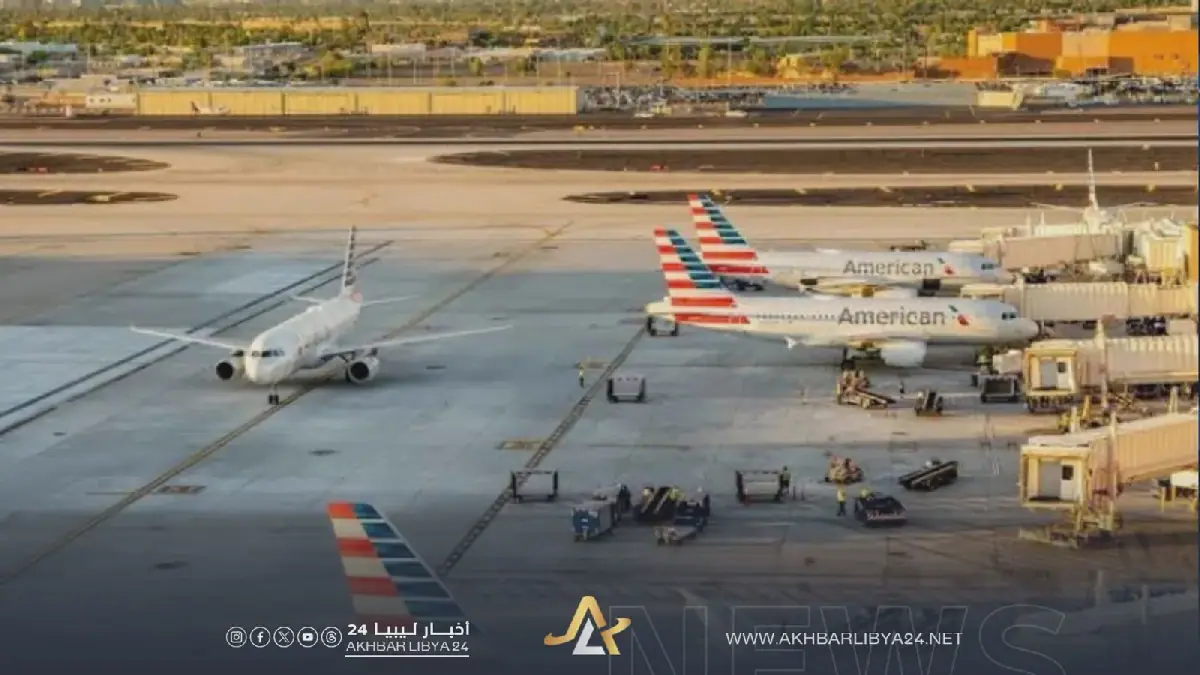
The US air travel crisis continued on Saturday, with over 6,400 flights canceled and more than 8,000 delayed, according to data from flight tracking website FlightAware. This comes after a technical issue with air traffic control systems caused widespread disruptions, forcing the Federal Aviation Administration (FAA) to issue a nationwide grounding of flights on Friday. The FAA lifted the grounding on Friday evening, but the effects of the disruption persisted into Saturday.
The FAA attributed the issue to a problem with a new router installed at a remote facility by contractor L3 Harris. The issue caused a surge in communication attempts, resulting in significant pressure on air traffic control centers. The disruptions affected 17 of 22 air traffic control centers across the country. FAA Administrator Brian Bedfort apologized for the disruptions, stating that the system was stable and expected operations to return to normal by Sunday evening.
The crisis had a significant impact on major US airlines, with United, Delta, and American Airlines canceling around a quarter of their Saturday flights. Budget carrier JetBlue canceled around 45% of its flights. Airlines offered passengers the option to rebook without additional fees, but tens of thousands of travelers remained stranded at airports. The crisis highlighted the aging of air traffic control systems and a shortage of air traffic controllers.
US Transportation Secretary Sean Dafe said the issue began after the installation of a new router at a remote facility. He added that the problem caused significant pressure on communication centers, resulting in more than 1,000 communication attempts every four to five seconds. This affected aircraft communications and radar system performance.
The FAA issued a five-hour nationwide grounding of flights on Friday, the longest such grounding since the 9/11 attacks in 2001. The agency worked with L3 Harris to determine the cause of the issue, which may have been due to human error, installation issues, or a faulty device. The investigation into the cause of the issue is ongoing.
The air travel crisis has sparked renewed calls for investment in air traffic control infrastructure. Secretary Dafe has requested $50 billion to update the infrastructure, up from a previous request of $30 billion. The US Congress approved $12.5 billion last year, but critics argue that more needs to be done to address the issue.
As the situation continues to unfold, airlines and airports are working to minimize disruptions and accommodate stranded passengers. The FAA and airlines are urging passengers to check their flight status and plan accordingly. With thousands of flights still affected, it may take some time for air travel to return to normal.
Key points
- Over 6,400 flights were canceled and more than 8,000 delayed on Saturday due to the air travel crisis.
- The FAA attributed the issue to a problem with a new router installed at a remote facility by contractor L3 Harris.
- The crisis has sparked renewed calls for investment in air traffic control infrastructure, with Secretary Dafe requesting $50 billion to update the infrastructure.
Reporting sources
- أزمة الطيران الأمريكي تتواصل.. آلاف الرحلات ملغاة رغم استئناف الإقلاع · Akhbar Libya 24