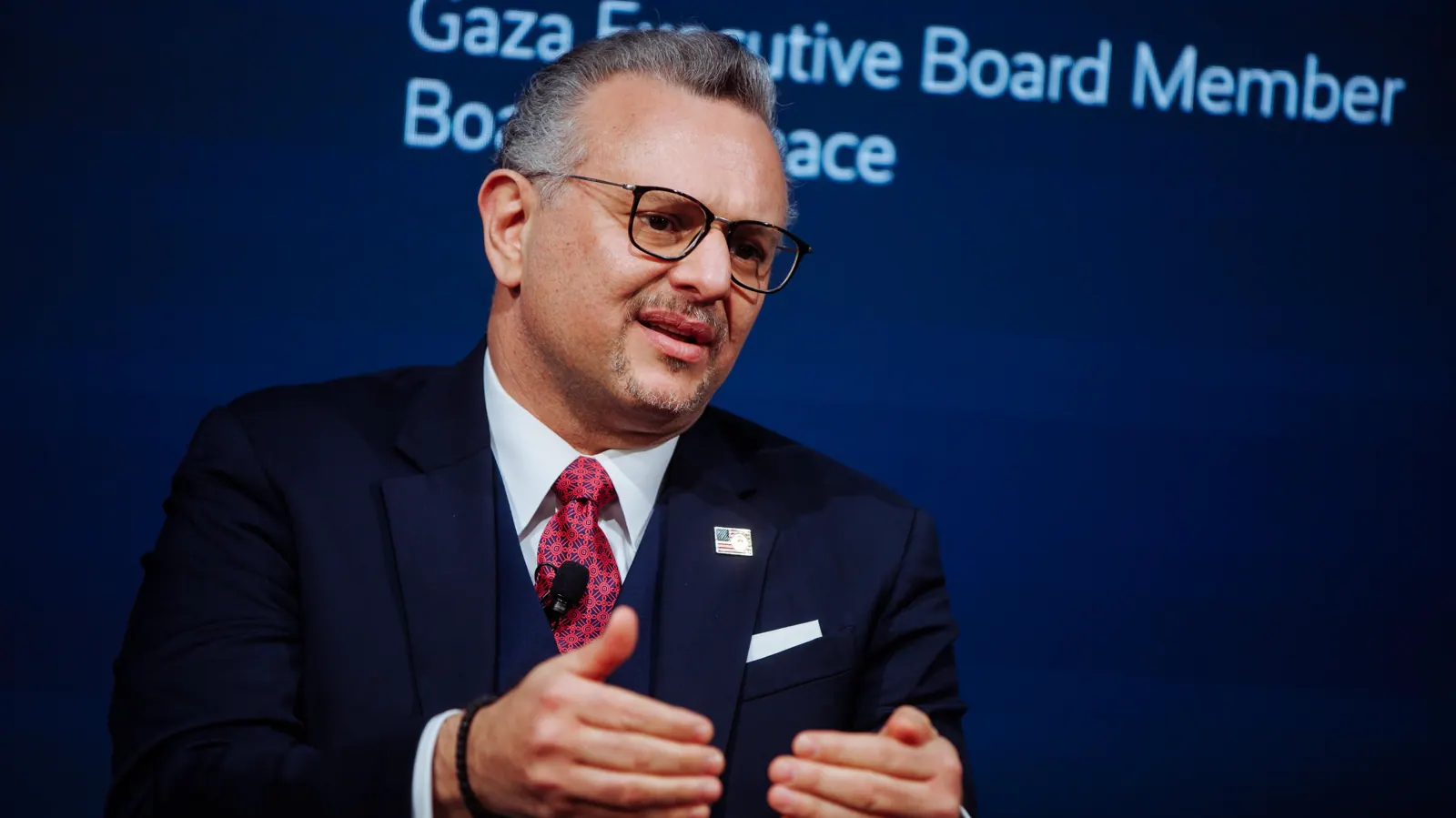
US President Donald Trump's special advisor for Africa, Massad Boulos, has expressed concerns over the Polisario Front's rigid stance in negotiations over the Sahara region. According to Boulos, the Polisario Front has not submitted any formal feedback on Morocco's autonomy plan since talks resumed. This development has sparked pessimism about the prospects of progress in the negotiations. Boulos' comments were reported by the Moroccan newspaper L'Opinion on September 25, 2026.
The negotiations in question are based on Morocco's plan for autonomy in the Sahara region. The plan, which was initially proposed in 2007, aims to grant the region a degree of autonomy while maintaining Moroccan sovereignty. The Polisario Front, a separatist group that has been fighting for independence in the Sahara region, has been resistant to the plan. The group's stance has been a major obstacle to progress in the negotiations, with Morocco and the international community seeking a peaceful resolution to the conflict.
Boulos' comments highlight the challenges facing the negotiations. The US advisor's criticism of the Polisario Front's stance suggests that the group is not willing to compromise on its demands for independence. This has led to concerns that the negotiations may not yield a positive outcome. The situation is further complicated by the fact that several countries, including the United States, have been seeking to reduce their involvement in peacekeeping missions in the region.
The Sahara conflict has been a longstanding issue in Moroccan politics. The country has been seeking international recognition of its sovereignty over the region, while the Polisario Front has been pushing for independence. The conflict has led to a significant humanitarian crisis, with thousands of people displaced and many more affected by the violence. A peaceful resolution to the conflict is seen as essential to addressing the humanitarian situation and promoting stability in the region.
In recent weeks, several countries have made significant moves in relation to the Sahara conflict. The Bolivian government announced its decision to open a commercial office in Dakhla, a city in the Sahara region, in a move seen as a recognition of Moroccan sovereignty. Similarly, the Jamaican government announced its decision to support Morocco's claim to the Sahara region. These developments have been seen as significant boosts to Morocco's efforts to gain international recognition of its sovereignty over the region.
The US administration has been actively involved in efforts to resolve the Sahara conflict. The US has been working closely with Morocco and other countries to promote a peaceful resolution to the conflict. The US has also been seeking to reduce its involvement in peacekeeping missions in the region, including the United Nations Mission for the Referendum in the Sahara (MINURSO). The US administration's efforts to promote a peaceful resolution to the conflict are seen as essential to promoting stability in the region.
The situation in the Sahara region remains complex and challenging. The negotiations between Morocco and the Polisario Front are ongoing, but progress has been slow. The international community, including the US, is seeking a peaceful resolution to the conflict. The outcome of the negotiations will have significant implications for the region and the people affected by the conflict.
Key points
- The Polisario Front has not provided formal feedback on Morocco's autonomy plan for the Sahara region since talks resumed.
- US advisor Massad Boulos has expressed concerns over the Polisario Front's rigid stance in negotiations over the Sahara region.
- Several countries, including Bolivia and Jamaica, have recently made significant moves in support of Morocco's claim to the Sahara region.