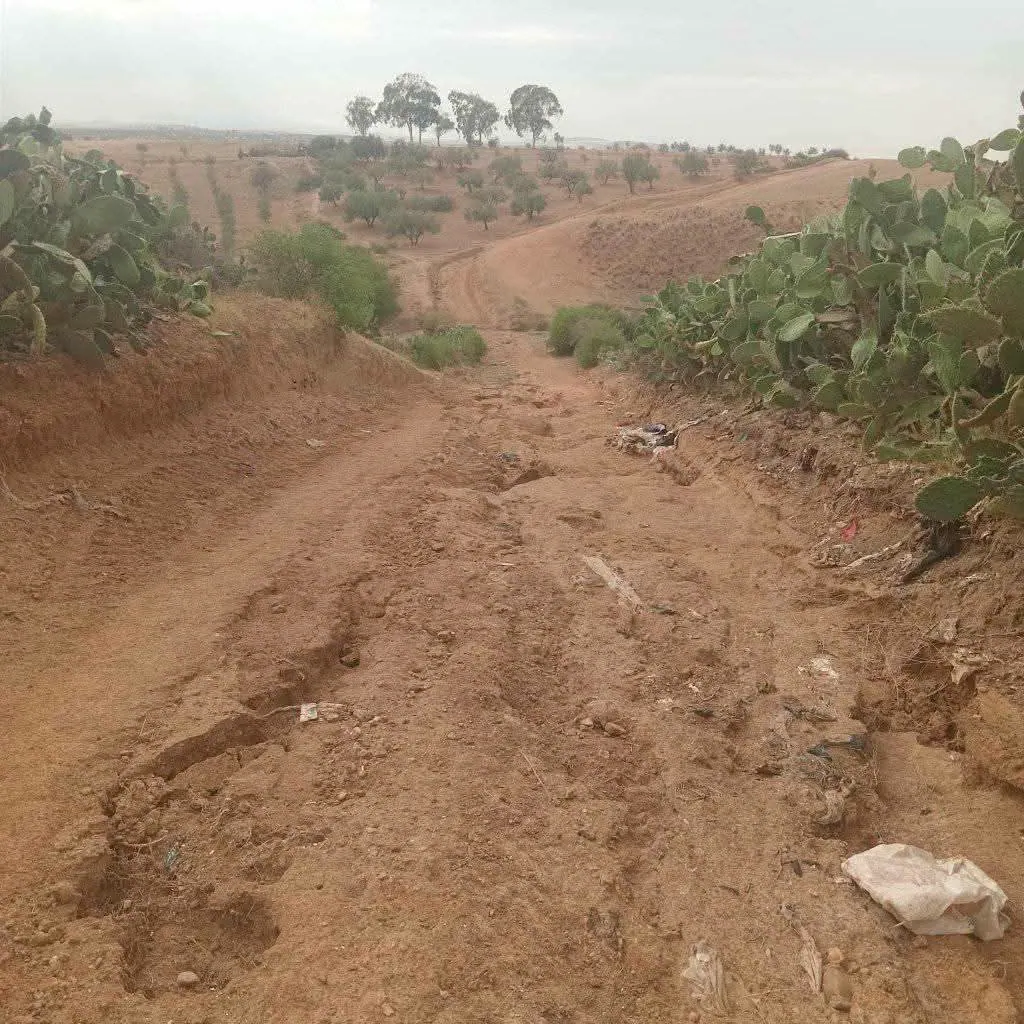
The region of Qamata, in the delegation of Al-Arusa, Silyana Governorate, is facing several pressing concerns related to road conditions and student transportation. Residents are demanding intervention to alleviate travel difficulties and improve daily life. A key demand is the road linking Qamata to Al-Nukhlat, which is 1.2 km long and part of a 4,500 km program overseen by the Ministry of Equipment and Housing.
Hassan Qanawati, a member of the local development council in Al-Arusa delegation, emphasized that the road's condition requires urgent attention, including clearing and rehabilitating damaged sections, while also monitoring the planned project and pushing for its acceleration. He noted that the road is a vital route for residents and that its current state increases travel difficulties, especially for students who commute daily to the delegation center for their studies.
Another issue highlighted is the lack of lighting at the school transportation hub in the region, where students wait for transportation in difficult conditions during early morning and evening hours. Qanawati proposed installing solar-powered lighting at the hub, which could be adopted in areas without electrical connections and would improve student waiting conditions and enhance their safety.
Qanawati stressed that these demands require follow-up and coordination with relevant authorities, particularly since improving the road and securing lighting for the school transportation hub would alleviate residents' hardships and enhance student transportation conditions. The region's concerns reflect broader challenges faced by rural areas in Tunisia, where infrastructure development can be uneven.
The 4,500 km program, overseen by the Ministry of Equipment and Housing, aims to improve road networks across the country. However, the pace of implementation and the prioritization of projects often leave rural areas waiting for essential infrastructure upgrades. In Qamata, the local community is advocating for a more rapid response to their needs.
The lack of adequate infrastructure not only affects daily commutes but also impacts access to essential services, including education and healthcare. For students in Qamata, the journey to school is a daily challenge that could be alleviated with better road conditions and reliable transportation.
As residents of Qamata continue to press for improvements, their demands are likely to be closely watched by local authorities and community leaders. The situation highlights the need for sustained investment in infrastructure to support the well-being and development of rural communities in Tunisia.
Key points
- Residents of Qamata are demanding urgent improvements to the region's infrastructure, including a 1.2 km road linking Qamata to Al-Nukhlat.