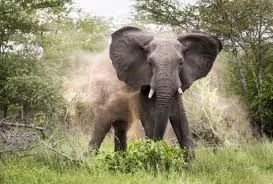
A 70-year-old man, Kitsao Karisa, was killed in an elephant attack in Sokomoko, Lunga Lunga subcounty, Kwale county. The incident occurred at about 4:49am on September 28, about 200 meters from Karisa's homestead. Police and wildlife officials reported that Karisa sustained fatal injuries during the attack and died at the scene. The incident has sparked anger among locals, who are demanding action to stop the trend of human-wildlife conflicts in the area.
The police, together with personnel from the Kenya Wildlife Service (KWS) Lunga Lunga Outpost, visited the scene and processed and photographed the body. The body was later transported to Msambweni Referral Sub-County Hospital mortuary, where it was preserved pending a post-mortem examination. The circumstances surrounding the elephant attack are under investigation, and officials have advised the family to file a claim for compensation.
This incident is the latest in a series of human-wildlife conflicts in areas near national parks. In May 2025, Kenya introduced the third phase of its Human–Wildlife Conflict Compensation Programme, aimed at addressing these incidents and supporting affected families. The programme includes a Wildlife Conservation Card, designed to help fund conservation efforts and provide compensation to families affected by wild animal attacks.
The Wildlife Conservation Card was launched by President William Ruto at Meru National Park, as part of a broader initiative to address human-wildlife conflicts. The card is available in three tiers—Platinum (Elephant), Gold (Lion), and Silver (Cheetah)—and a portion of every transaction made with the card goes directly to the Wildlife Conservation Trust Fund. The initiative seeks to enable Kenyans and international supporters to contribute to wildlife conservation while fostering economic benefits for local communities.
President Ruto emphasized the need for long-term solutions that benefit both people and wildlife, saying "Compensation is justice, but prevention is progress." He added that through the Conservation Card, fencing, and community-led tourism, Kenya is working to turn conflict into opportunity. The programme aims to build a future where humans and wildlife can coexist more safely and sustainably.
The Kenya Wildlife Service and other authorities have been running campaigns to address the conflict and anger surrounding deaths from wild animal attacks. The incidents have highlighted the need for effective measures to prevent human-wildlife conflicts and provide support to affected communities. Locals are demanding action to prevent such incidents and ensure their safety.
The incident in Kwale county has sparked renewed calls for action to address human-wildlife conflicts in the region. Authorities are working to implement measures to prevent such incidents and provide support to affected families. The government has introduced various initiatives, including the Human–Wildlife Conflict Compensation Programme and the Wildlife Conservation Card, to address the issue and promote coexistence between humans and wildlife.
Key points
- Kenya has introduced a Human–Wildlife Conflict Compensation Programme to address incidents of human-wildlife conflicts and support affected families.
- The Wildlife Conservation Card is a new tool designed to help fund conservation efforts and provide compensation to families affected by wild animal attacks.
- Authorities are working to implement measures to prevent human-wildlife conflicts and provide support to affected communities.