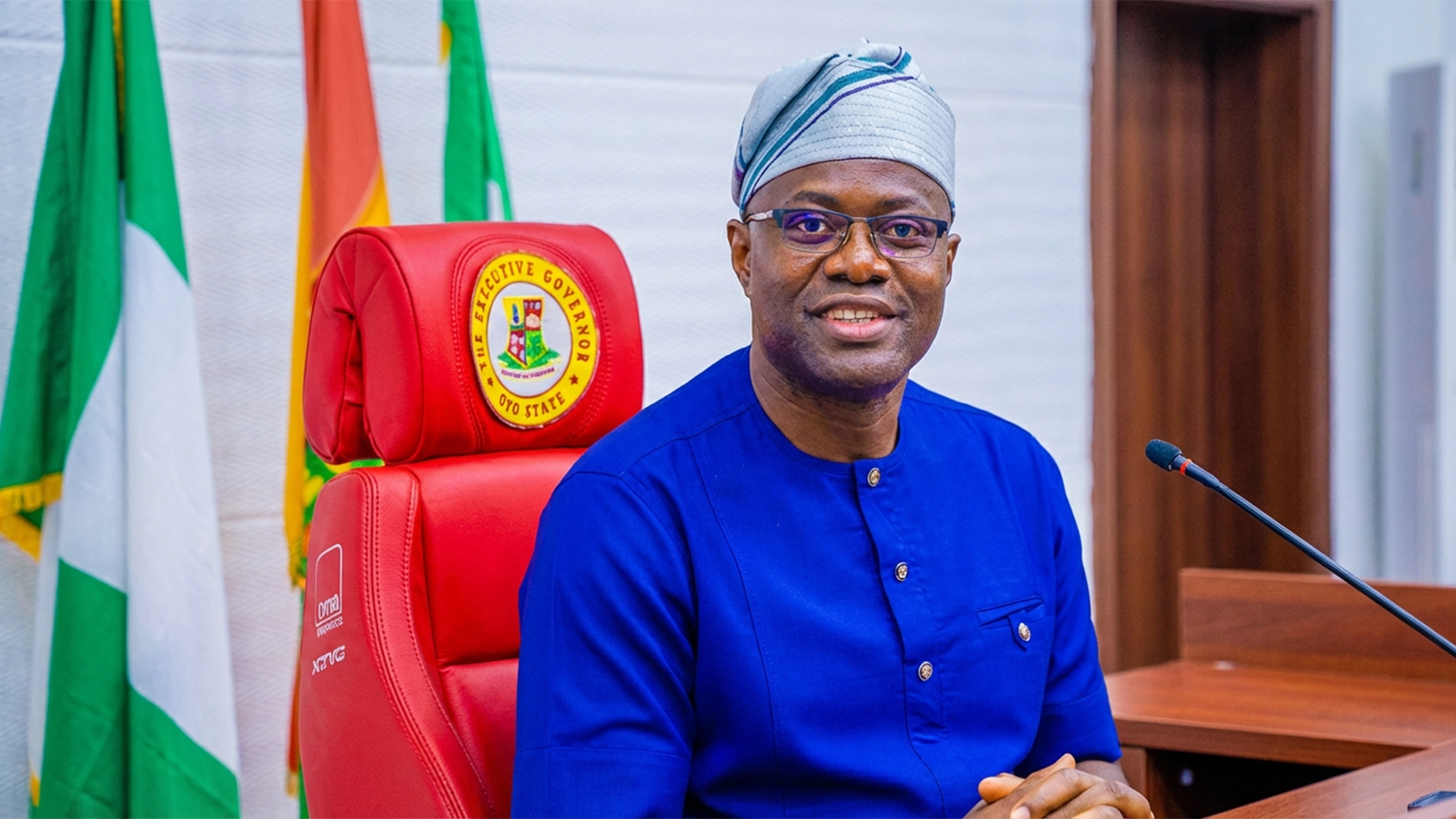
Governor Seyi Makinde of Oyo State has emerged as a significant player in Nigeria's 2027 presidential landscape. As a two-term governor, Makinde has transitioned from a regional political actor to a national figure, seeking the presidency under the Allied Peoples Movement (APM). His growing national visibility has sparked interest, with former Anambra State governor Peter Obi recently endorsing him as a qualified presidential candidate. Obi's endorsement is significant, given his own presidential ambitions.
Makinde's presidential bid has acquired an unusual dimension, with potential allies and competitors emerging. As a prominent figure in the G5 governors' rebellion against Atiku Abubakar's presidential bid in 2022, Makinde's current position is particularly interesting. His campaign has set an ambitious target of 41 million votes, roughly two-fifths of the reported 103 million registered voters. The campaign has also unveiled the "Reset Nigeria Agenda", focusing on the economy, education, security, and governance.
However, Makinde's path to the presidency is complicated. The APM lacks the nationwide machinery of the ruling APC and the established grassroots footprint of the PDP. Makinde's personal political capital must carry a significant burden. His campaign faces challenges, including building structures, forming alliances, and translating popularity into actual votes. Additionally, Makinde is fighting a battle over his political structure in Oyo State, as the 2027 governorship contest approaches.
The Oyo State governorship contest has become a referendum on whether Makinde can transfer his political influence to another candidate. His camp is backing Abimbola "Bimbo" Adekanmbi on the APM platform. However, the state's political landscape remains crowded, with multiple parties positioning themselves. This presents Makinde with an uncomfortable question: can he build a national presidential coalition while guaranteeing his own political structure will survive at home?
Experts have weighed in on the current Oyo State political climate, describing it as a familiar pre-election period characterized by intrigues, horse-trading, and realignments. Professor Dhikru Adewale Yagboyaju noted that Makinde has emerged as the state's dominant political figure, but his dominance will be tested in 2027. If Makinde can successfully influence the emergence of a successor and preserve a substantial political base in Oyo, it strengthens his argument that he possesses transferable political capital.
Makinde's administration has faced controversies, including the Ibadan Circular Road project, which has generated both praise and criticism. The project has been defended as developmental, but allegations of land grabbing and complaints over attention given to different parts of Ibadan have surfaced. These controversies must be addressed, as a presidential aspirant must convince Nigerians that they have been properly handled. Perception is a critical aspect of the political battlefield.
Furthermore, Makinde has faced tensions with traditional institutions, including a reported disagreement with the Olubadan of Ibadanland, Oba Rashidi Ladoja. Although the issue was reportedly resolved through dialogue, it demonstrates the complex nature of governing Ibadan. Additionally, Makinde alleged that an APC chieftain warned him against contesting the 2027 presidential election, followed by an EFCC request for documents relating to Oyo State finances. A Federal High Court in Ibadan restrained the planned EFCC investigation.
Key points
- Seyi Makinde seeks presidency under APM
- Makinde faces challenges in building a national presidential coalition
- Controversies surround Makinde's administration and governance in Oyo State