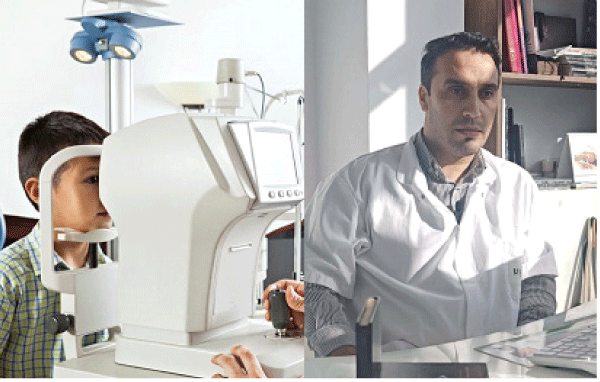
As the new school year begins, parents in Algeria are busy preparing their children for the academic challenges ahead. However, Dr. Walid Miziadi, a specialist in ophthalmology, cautions that a crucial aspect of a child's educational success often goes unnoticed: their eye health. Undetected vision problems can hinder a child's ability to learn and may have long-term consequences on their academic performance. Dr. Miziadi emphasizes that regular eye exams, especially before the age of six, are essential to detect any potential issues.
According to Dr. Miziadi, young children may not be able to distinguish between normal vision and vision problems, making it difficult for them to report any issues. Parents and teachers should be aware of certain signs that may indicate a vision problem, such as a child sitting too close to the TV or struggling to see the board in class. Other signs may include frequent eye rubbing, squinting, or bumping into objects. Dr. Miziadi stresses that early detection and treatment of vision problems can significantly impact a child's academic success and overall well-being.
The consequences of untreated vision problems can be far-reaching. Children who struggle with vision problems may experience difficulties with reading, writing, and following instructions, which can lead to poor academic performance. Dr. Miziadi notes that even children who are highly intelligent and motivated may struggle in school if they have untreated vision problems. Regular eye exams can help identify these issues early on, allowing for timely intervention and support.
The widespread use of digital devices has also raised concerns about the impact on children's eye health. Dr. Miziadi describes this as a "problem of the era," with prolonged screen time leading to eye strain, headaches, and potentially even vision problems. He advises parents to monitor their children's screen time and encourage regular breaks to rest their eyes.
Dr. Miziadi also highlights the importance of proper eye care habits, including regular blinking and avoiding prolonged focus on digital screens. He encourages parents to prioritize their children's eye health and schedule regular eye exams, even if there are no apparent issues. By doing so, parents can help ensure their children have the best possible chance of academic success.
In Algeria, the Ministry of Health is taking steps to promote eye health and prevent vision problems. Dr. Miziadi's comments come as the country prepares to launch new initiatives aimed at promoting eye health and preventing vision problems. The Algerian government is working to raise awareness about the importance of eye health and provide access to eye care services, particularly for children.
Dr. Miziadi's warnings serve as a reminder to parents and educators of the critical role that eye health plays in a child's academic success. By prioritizing eye health and scheduling regular eye exams, parents can help ensure their children have the best possible chance of succeeding in school. Early detection and treatment of vision problems can make a significant difference in a child's academic performance and overall well-being.
Key points
- Undetected vision problems can significantly impact a child's academic performance in Algeria.
- Regular eye exams, especially before the age of six, are essential to detect potential vision problems.
- Prolonged screen time can lead to eye strain, headaches, and potentially even vision problems in children.