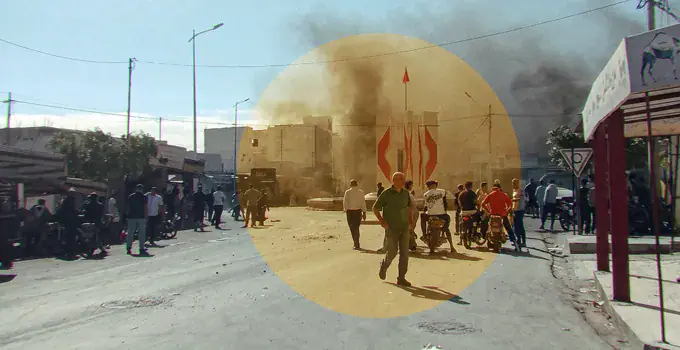
The city of Jebeniana, located in the Sfax governorate of Tunisia, was plunged into chaos on October 21, 2026, after a young man, Aoun Salhi, aged 24, was killed in a police chase while riding his motorcycle. The incident sparked widespread outrage and protests, with residents demanding an investigation into the circumstances surrounding Salhi's death. The protests quickly turned violent, with clashes erupting between protesters and security forces, who used tear gas to disperse the crowds.
This is not the first time Jebeniana has experienced such unrest. In December 2018, a similar incident occurred when 19-year-old Oussama Laater was killed in a police chase. That incident also sparked protests and clashes, with residents demanding accountability and an investigation into Laater's death. The repeated occurrence of such incidents has fueled long-standing frustrations with the authorities in Jebeniana, a region known for its history of activism and opposition to the government.
According to eyewitnesses, Salhi's motorcycle was struck from behind by a security forces vehicle, causing him to lose control and fall. His body was severely mutilated, according to medical sources and his family. The incident has sparked widespread outrage, with many residents expressing their sympathy for Salhi's family and their anger at the authorities. The protests and clashes continued on October 22, with schools, shops, and markets closed due to the intensity of the tear gas used by security forces.
The residents of Jebeniana are demanding an investigation into Salhi's death and accountability from the authorities. They argue that the police chase was excessive and that the use of force was disproportionate. The incident has also highlighted the broader issues facing the region, including high levels of unemployment and a lack of opportunities for young people. Many residents feel that the authorities have failed to address these issues, leading to a sense of frustration and disillusionment.
The region of Jebeniana has a long history of activism and opposition to the government. It is known for producing many activists, politicians, and trade unionists. However, the region has also experienced significant economic and social challenges, including high levels of unemployment and poverty. Many young people in the region feel that they have limited opportunities and that their voices are not being heard by the authorities.
Mahmoud Noôman, a human rights activist, believes that Salhi's death was the spark that set off the protests. He argues that the incident highlighted the deep-seated frustrations and anger that many young people in Jebeniana feel towards the authorities. Noôman also believes that the authorities need to address the root causes of the problems facing the region, including unemployment and lack of opportunities, in order to prevent similar incidents from occurring in the future.
The protests in Jebeniana have also highlighted the challenges facing the Tunisian authorities in maintaining security and stability in the country. The government has faced criticism for its heavy-handed response to protests and its failure to address the underlying issues driving social unrest. The incident has also raised questions about the use of force by security forces and the need for greater accountability and transparency in policing practices.
Key points
- The protests in Jebeniana were sparked by the death of a young man, Aoun Salhi, who was killed in a police chase while riding his motorcycle.
- The incident highlighted the deep-seated frustrations and anger that many young people in Jebeniana feel towards the authorities, including high levels of unemployment and lack of opportunities.
- The authorities have been criticized for their heavy-handed response to protests and their failure to address the underlying issues driving social unrest.