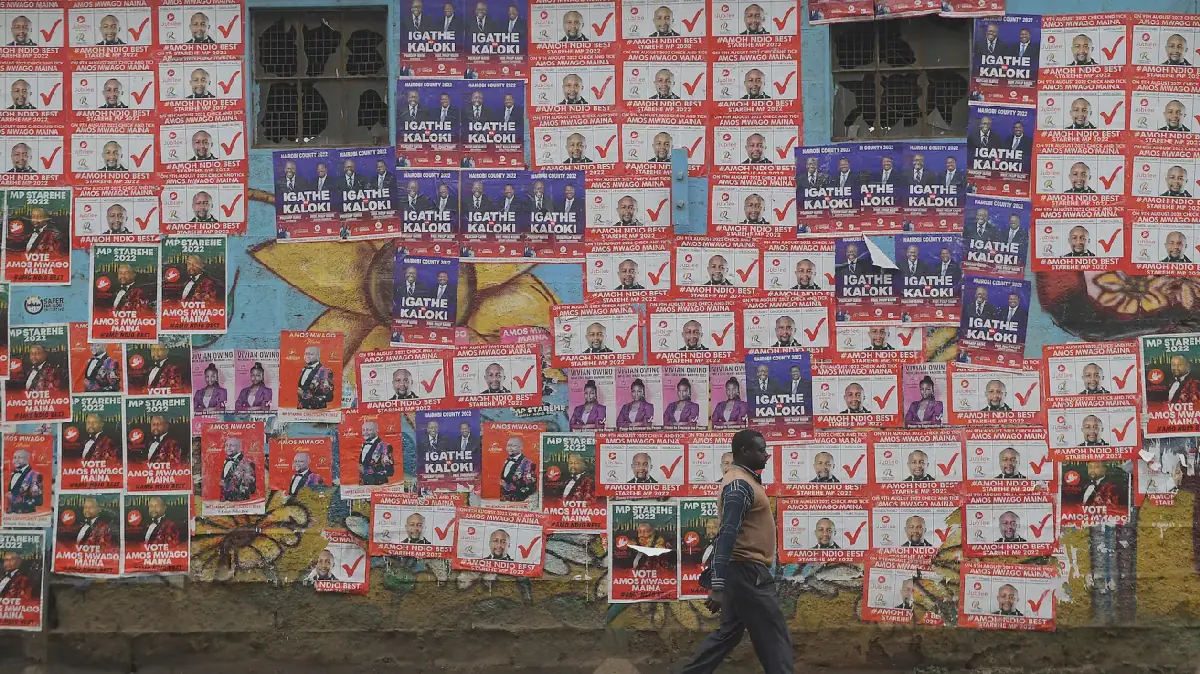
Kenya appears to be in a constant state of electioneering, with politicians mobilizing support nationwide despite a court ruling declaring campaigning before 29 May 2027 unconstitutional. This culture of constant campaigning has created anxiety among citizens and disrupted daily life. Clashes between supporters of opposing groups continue to cause significant economic losses by interrupting trade and supply chains.
Early campaigns have led to destruction of property and increased political violence across the country. There have been attacks on businesses such as hotels suspected of hosting rival political camps. This violence has even affected worshippers at religious gatherings where political leaders in attendance were the main targets. The Kenya Human Rights Commission recorded 284 incidents of human rights violence across the country between January and July 2026.
The Kenya Police Service has been identified as the main perpetrator of human rights violence. Human rights groups have sued senior security officials, accusing them of allowing violence targeting political, religious and civic gatherings to continue despite warnings. They also accuse the officials of failing to identify and prosecute the financiers, recruiters and perpetrators of organised political gangs.
Security agencies blame political leaders for financing violence ahead of the 2027 election, while members of the National Assembly accuse the police of shielding politicians linked to funding criminal gangs. Interior and National Administration Cabinet Secretary Kipchumba Murkomen blamed the judiciary for releasing suspects on lenient bail terms and favouring politicians arrested over political violence.
Early campaigns allow politicians to make repeated statements likely to undermine the electoral process. United Democratic Alliance Secretary-General Hassan Omar suggested dead voters’ fingerprints could be used to cast votes in favour of President William Ruto. The Election Offences Act and Electoral Code of Conduct are enforceable only during the campaign period, leaving a legal gap that the court’s directive was meant to close.
A June 2025 court ruling declared campaigning outside the official campaign period unconstitutional, citing violations of the rights to life, freedom from violence, development and free and fair elections. The ruling directed the Attorney General to draft legislation within 12 months to govern political campaigns outside the official period, but the deadline has passed and the legislation has yet to be drafted.
Kenyan politics is lucrative, with Members of Parliament earning over $10,000 per month, along with other hefty benefits. To break the cycle of unregulated early campaigns, the Attorney General must close the legal gap by drafting the legislation the court ordered, and political parties must comply with the 2025 ruling that outlawed early campaigns. Kenya needs a referendum on reducing the privileges attached to elected office and the executive.
Key points
- A court ruling in June 2025 declared early campaigns unconstitutional, but the Attorney General has yet to draft legislation to govern political campaigns outside the official period.
- The Kenya Police Service has been identified as the main perpetrator of human rights violence, with 284 incidents recorded between January and July 2026.
- Kenya needs a referendum on reducing the privileges attached to elected office and the executive to attract people motivated to serve in the public interest.