Unregistered welfare groups in the Zambezi region of Namibia are at risk of missing out on crucial funding and donor support as social workers push community organisations to formalise their operations. These grassroots groups play a vital role in providing essential services, including food, clothing, and school uniforms, to vulnerable individuals. Registration is seen as a key step towards strengthening their credibility and accountability.
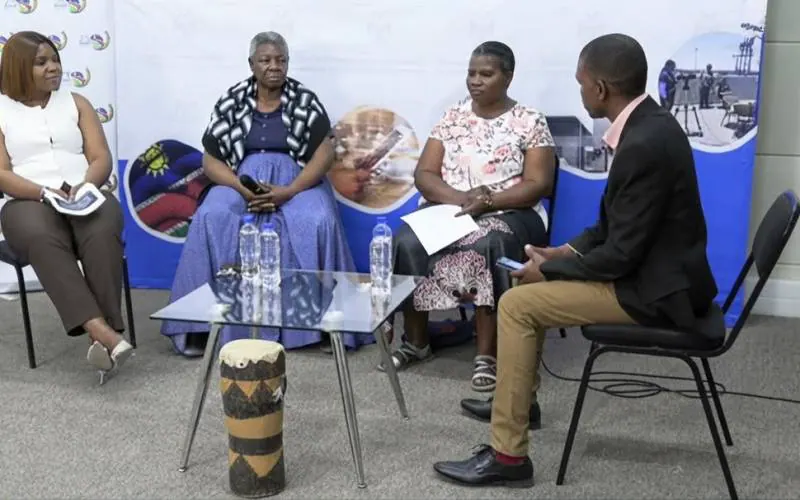
The issue was raised during an information-sharing session in the region involving welfare organisations, social services, and the ministry of information and communication technology. Senior social worker at Katima Mulilo State Hospital, Masiye Muyalapabbi, emphasised that registration gives welfare organisations a formal identity and strengthens their position when approaching businesses and potential donors for support.
Muyalapabbi stressed that government alone cannot provide all the necessary social welfare services, highlighting the importance of community organisations in complementing government efforts. Formalisation allows welfare organisations to operate within an established regulatory framework, providing greater accountability when dealing with vulnerable beneficiaries and funds.
In Namibia, welfare organisations are regulated under the National Welfare Act, 1965, as amended. To register, organisations must have a constitution outlining their objectives, fundraising methods, and management structure, with a management body of at least seven members. Registered organisations are required to submit annual reports and audited financial statements and are subject to inspections by regional welfare authorities.
One organisation operating in the region is Hope for Life, founded by Martha Nzwile to support elderly people, including those who are neglected or abused. Nzwile's organisation provides assistance with grants, healthcare, food, clothing, and other essential items. The organisation conducts outreach in several areas, including Makaravani, Masambo, and Impalila.
Another organisation, Mainstream Foundation, works with children with disabilities, providing education, rehabilitation, life skills, and support to families. Founder and director Sylvia Chidunka said the organisation also runs parent support groups and income-generating initiatives, including a garden project for young people with disabilities. However, Chidunka noted that financial constraints limit the organisation's work.
The registration process requires organisations to meet formal requirements before being recognised, with applications considered through regional welfare structures and ultimately the National Welfare Board. Social workers believe that formalisation is essential for community organisations to strengthen accountability, build donor confidence, and sustain services for vulnerable people.
Key points
- Registration is a key step towards strengthening the credibility and accountability of welfare organisations in Namibia's Zambezi region.
- Unregistered welfare groups risk missing out on crucial funding and donor support.
- Formalisation allows welfare organisations to operate within an established regulatory framework, providing greater accountability.