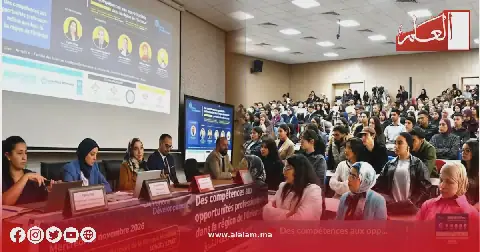
The United Nations Mission in South Sudan (UNMISS) Human Rights Division recently held a one-day strategic engagement with journalists in South Sudan. The meeting aimed to strengthen collaboration between the media and human rights actors in documenting and reporting human rights violations. Senior Women’s Protection Adviser at the Human Rights Division’s Women’s Protection Advisory Unit, Sheila B. Keetharuth, emphasized the importance of responsible reporting, particularly on conflict-related sexual violence and the protection of survivors.
During the engagement, participants discussed accountability, effective communication of human rights messages, and the need to uphold fundamental rights. Keetharuth highlighted the importance of ensuring that survivors of conflict-related sexual violence, including women, girls, boys, and men, are reported on with dignity, respect, and sensitivity. The engagement also addressed how to report on conflict-related sexual violence without causing harm to survivors.
The UNMISS Human Rights Division’s engagement with journalists forms part of a 45-day human rights campaign aimed at strengthening awareness, advocacy, and accountability for human rights violations in South Sudan. Keetharuth welcomed the engagement as an opportunity to establish stronger collaboration with journalists, adding that it had created an opening for continued discussions and cooperation.
Director of the UNMISS Human Rights Division and Representative of the High Commissioner for Human Rights in South Sudan, Dr. Musa Yerro Gassama, called for sustained collaboration between journalists and human rights institutions. He emphasized that the engagement should translate into practical action, encouraging journalists to actively document and report human rights violations. Gassama thanked journalists for sharing their professional experiences, recommendations, and concerns.
Gassama stressed that human rights violations thrive in silence and that the media has a responsibility to expose violations and contribute to accountability. He added that increased visibility of human rights violations creates opportunities for addressing challenges and promoting accountability. According to Gassama, accountability begins with visibility, and the more human rights violations are publicized, the more opportunities there are to deal with the challenges faced.
The engagement between the UNMISS Human Rights Division and journalists aimed to promote ethical and responsible journalism, particularly when reporting on sensitive topics such as conflict-related sexual violence. Keetharuth expressed interest in further discussions on the portrayal of survivors in media coverage to strengthen ethical reporting practices.
The collaboration between the UNMISS Human Rights Division and journalists is expected to lead to increased reporting on human rights violations in South Sudan, promoting accountability and protection of survivors. Key points from the engagement include the importance of responsible reporting, the need for sustained collaboration between journalists and human rights institutions, and the role of the media in promoting accountability and protecting the dignity of survivors.
Key points
- UNMISS Human Rights Division engages journalists to strengthen human rights reporting and promote accountability in South Sudan.
- The engagement forms part of a 45-day human rights campaign aimed at strengthening awareness, advocacy, and accountability for human rights violations.
- Journalists are encouraged to actively document and report human rights violations to promote accountability and protect the dignity of survivors.
Reporting sources
- UNMISS Human Rights Division Urges Journalists To Break Silence on Rights Violations in South Sudan · Catholic Radio Network