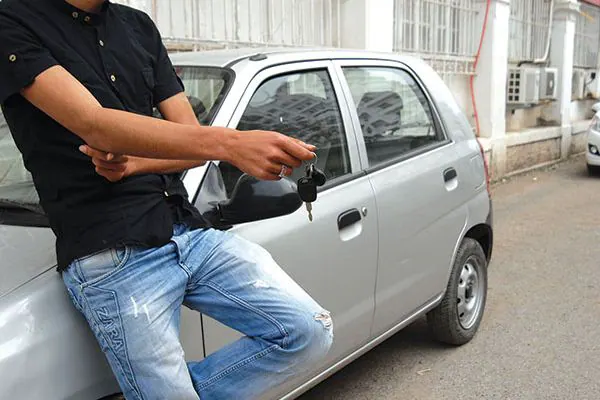
In many Algerian cities and rural areas, unlicensed transportation has become a normalized part of daily life. The term "Klawandistan" or "Froud" is no longer unusual, as citizens rely on these services to get around. Unmarked and unlicensed cars gather at designated points, offer rides, and transport passengers to their destinations. While this may seem like a convenient solution, it operates outside the legal framework governing public transportation.
In the city of Sétif, the phenomenon of "Froud" reveals a complex paradox. Citizens need transportation, but often can't find licensed taxis or buses. Unlicensed drivers see an opportunity to earn extra income using their private vehicles. Licensed taxis are forced to compete with unlicensed cars that don't bear the same costs. A parallel transportation market has emerged, with its own rules and networks. This has led to a struggle between licensed and unlicensed transport providers.
In Sétif, unlicensed cars have established a presence at key transportation hubs, including the main bus station and other strategic locations. Some areas, such as the حي طنجة and حي 750 مسكن neighborhoods, have become de facto "safe zones" for unlicensed transport. In these areas, unlicensed cars have organized themselves into lines, operating with near-impunity. This has raised questions about the role of licensed taxis in the city and whether they can compete with unlicensed services.
Citizens often choose unlicensed transportation out of necessity. During peak hours, public transportation is overcrowded, and unlicensed cars offer a faster alternative. In neighborhoods with limited public transportation, "Froud" becomes a convenient option. At night, when public transportation is scarce, unlicensed cars fill the gap. One resident noted that "there are times when you can't find a licensed taxi or bus, especially at night. What are you supposed to do then?"
The need for unlicensed transportation is particularly acute near hospitals, where patients and their families may struggle to find transportation after hours. Unlicensed cars often become the only viable option for getting home. Some unlicensed drivers argue that their services are essential, as they provide a necessary lifeline for citizens who can't find other transportation. However, this doesn't address concerns about safety, liability, and regulatory compliance.
Unlicensed drivers may avoid some costs associated with licensed transportation, but they also operate without protection or recourse. Their vehicles can be impounded if they're caught, and they may face fines or other penalties. Licensed taxi drivers, on the other hand, operate within a regulated framework, with clear rules and oversight. Algerian law prohibits unlicensed transportation, with fines ranging from 8,000 to 80,000 dinars and possible vehicle confiscation.
The persistence of "Klawandistan" in Algerian cities highlights the need for a more comprehensive approach to transportation. Rather than simply cracking down on unlicensed drivers, authorities may need to address the underlying issues driving demand for these services. By improving public transportation and addressing gaps in service, authorities may be able to reduce the appeal of unlicensed transportation and create a safer, more reliable transportation system for all citizens.
Key points
- Unlicensed transportation has become a normalized part of daily life in many Algerian cities.
- Citizens often choose unlicensed transportation out of necessity, citing limited public transportation options.
- Authorities may need to address underlying issues driving demand for unlicensed transportation, rather than simply cracking down on drivers.