The University of Benghazi has initiated a virtual international dialogue program aimed at providing students with a platform to interact with peers from universities and educational institutions worldwide. This program is part of the university's strategy to broaden students' horizons and connect them with international academic and cultural spaces. The initiative seeks to promote the exchange of ideas, knowledge, and experiences between different cultures. By doing so, the university aims to offer students high-quality opportunities that go beyond the traditional academic framework.
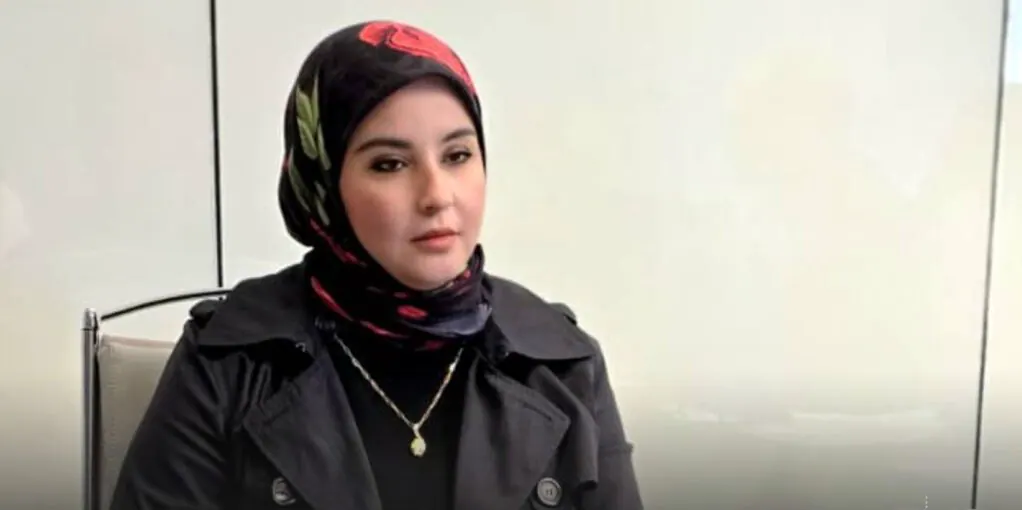
According to Khadija Al-Barassi, a member of the university's International Cooperation Committee, the program allows students to interact with peers from various countries and learn from diverse educational and cultural experiences. This interaction helps develop students' skills in dialogue, critical thinking, and communication. The program is conducted online over eight weeks, featuring weekly sessions held in small groups moderated by specialists in dialogue management. This setup provides an interactive environment where students can discuss a range of topics and exchange perspectives and experiences.
The virtual dialogue program is part of the university's broader international cooperation efforts, aiming to offer students global experiences that help them build academic relationships with peers outside Libya and benefit from diverse viewpoints and backgrounds. Participation is available in both Arabic and English, making it accessible to a wider range of students. Students who complete the program will receive an international participation certificate, which can support their future prospects in academic exchanges, scholarships, and international activities.
Al-Barassi emphasized that exposing students to different educational and cultural environments enhances their ability to engage in dialogue, express opinions, and develop listening and critical thinking skills. This prepares them to interact with an increasingly interconnected global community. The program targets Benghazi University students who are interested in a dynamic experience with peers from a variety of backgrounds and cultures.
The virtual international dialogue program is run in cooperation with a specialized organization as part of an international intercultural communication initiative. This collaboration underscores the university's commitment to providing its students with enriching global experiences. By participating in the program, students can gain a deeper understanding of different cultures and develop essential skills for effective communication in a globalized world.
The program's structure, which includes small group sessions moderated by specialists, allows for meaningful interactions and discussions among participants. This approach ensures that students can engage deeply with the topics covered and learn from each other's experiences. The university's effort to provide such opportunities reflects its dedication to enhancing the educational experience for its students.
The University of Benghazi's virtual international dialogue program represents a significant step in its internationalization efforts. By offering students a platform to engage with peers globally, the university is not only enhancing their educational experience but also preparing them for active participation in the global community. This initiative aligns with the university's goal of fostering a more interconnected and culturally aware student body.
Key points
- The University of Benghazi's virtual international dialogue program offers students a unique opportunity to engage with peers from around the world, promoting cultural exchange and skill development.
- The program is conducted over eight weeks, with sessions available in both Arabic and English, and includes an international participation certificate upon completion.
- The initiative is part of the university's broader strategy to internationalize its educational offerings and prepare students for a globalized world.